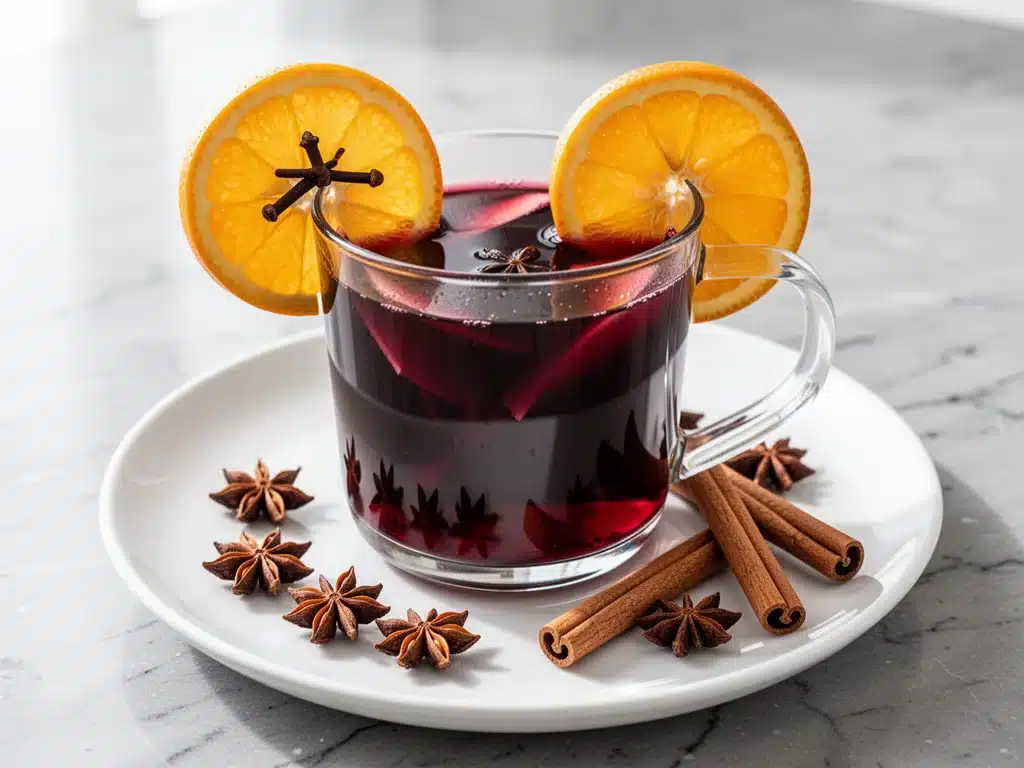
It was late October, and the kind of crisp, biting cold had just moved into my neighborhood. You know the kind—the kind that makes you pull your coat tighter and actually look forward to coming inside. My partner and I had just finished a long, winding walk through the local autumn festival, our cheeks pink and our hands numb, holding cups of something warm and spiced. We stumbled into our living room, kicked off our boots, and I realized we were completely out of hot cocoa. We had wine. We had oranges. We had a drawer full of old spices that were probably due for replacement.
So, I improvised. I threw a bottle of cheap red wine into a pot, sliced up a couple of oranges, and dumped in whatever cloves and cinnamon sticks were lurking in the back of my spice cabinet. I was half-expecting a disaster. Maybe it would taste like cough syrup. Maybe it would be too tart. But five minutes later, when that first sip hit my tongue, I stopped. It was rich, deeply aromatic, and tasted like a warm hug from the inside out. That accidental Tuesday night drink became a tradition. Now, every time the leaves start to turn and the air gets chilly, I make this Oktoberfest Mulled Wine with Orange and Clove. It’s become the centerpiece of our cozy winter gatherings, and honestly, it’s better than anything I’ve bought at a store.
I’ve tested this recipe dozens of times—sometimes with cheap table wine, sometimes with something a little fancier, sometimes with just cloves, sometimes with a whole spice garden. Through all those experiments, one thing has remained constant: this Oktoberfest Mulled Wine with Orange and Clove for Winter Gatherings is the easiest, most comforting drink you can make at home. It smells incredible, it keeps you warm, and it makes everyone feel like they’re at a little village square in Bavaria, even if you’re just in your pajamas.
Why You’ll Love This Spiced Wine Recipe
There are plenty of ways to spend a cold evening, but making this spiced wine recipe has completely changed how we handle the winter chill. It’s not just about the drink itself; it’s about the ritual. Here’s why this Oktoberfest Mulled Wine with Orange and Clove keeps showing up in our routine:
- Smells Like Christmas Early — Seriously. As soon as the wine starts to simmer, your whole house smells like a bakery mixed with a spice shop. My neighbors have actually knocked on my door asking what I’m cooking. It’s the best kind of compliment.
- Stupid Simple — If you can chop an orange and dump ingredients into a pot, you can make this. I’ve made it while helping my kids with homework. I’ve made it while watching a movie. It’s hands-off once it’s on the stove.
- Pantry-Friendly — You probably have 90% of these ingredients already. Red wine, oranges, sugar, and basic spices. I keep a bottle of inexpensive red wine in the pantry specifically for this.
- Crowd-Pleaser — I’ve served this to wine snobs and people who hate drinking anything that isn’t beer. Everyone loves it. It’s sweet, tangy, and spicy all at once.
- Makes Amazing Leftovers — This stuff actually tastes better the next day. The flavors meld together and get even deeper. I deliberately make extra on Friday night for sipping on Saturday morning while I clean up.
- Budget-Smart — Feeds 6-8 people for under $20. That’s less than what I’d spend on a round of drinks at a bar, and I’m drinking it at home in my comfortable clothes.
This is my go-to when I need a drink to just work. No complicated techniques, no weird ingredients, just reliable, delicious warmth that makes everyone happy.
Ingredients You’ll Need for Oktoberfest Mulled Wine
Here’s the best part: you probably have most of this already. This Oktoberfest Mulled Wine with Orange and Clove for Winter Gatherings relies on simple, accessible ingredients that punch way above their weight class. I’m particular about three things here, and I’ll tell you exactly why.
For the Base
Red Wine (1 bottle / 750ml) — This is the foundation. I use a dry red like Merlot, Cabernet Sauvignon, or Pinot Noir. Do not use “cooking wine” from the vinegar aisle. Use something you’d actually drink. If it’s too good to drink, it’s too good for this. A $10-15 bottle is perfect.
Orange (2 large, sliced / about 300g) — The citrus cuts through the richness of the wine and adds brightness. I use both regular oranges and blood oranges if they’re in season for a deeper color and flavor.
Lemon (1 medium, sliced / about 150g) — Just a slice or two adds a nice tartness that balances the sweetness. Don’t skip this; it keeps the drink from being too cloying.
For the Spice Profile
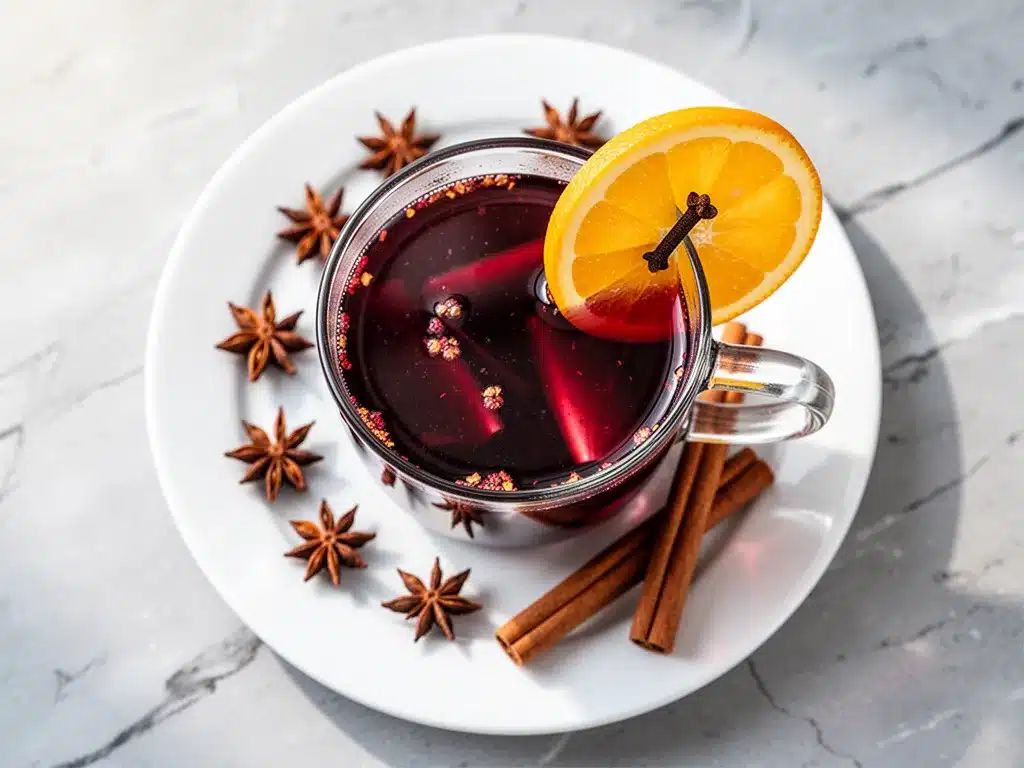
Cinnamon Sticks (3-4 sticks) — The backbone of the flavor. I prefer whole sticks over powder because powder makes the wine gritty. Ceylon cinnamon is milder and sweeter, which I prefer for this.
Whole Cloves (10-12 cloves) — Yes, whole. Do not use ground cloves unless you want to strain sludge out of your drink later. Cloves add that warm, slightly medicinal note that defines mulled wine.
Star Anise (2-3 stars) — Optional, but I love it. It adds a subtle licorice flavor that feels very “Oktoberfest.” If you don’t like licorice, skip it.
Cardamom Pods (4-5 pods, crushed) — Adds a floral, citrusy aroma. Crush them slightly with the back of a knife to release the oils.
Allspice Berries (1 teaspoon) — They taste like a mix of cinnamon, nutmeg, and cloves. Perfect for this blend.
For the Sweetness
Brown Sugar (½ cup / 100g) — I use dark brown sugar for its molasses notes. It adds depth that white sugar can’t match. You can adjust this based on how sweet you like your wine.
Honey (2 tablespoons / 30ml) — Optional, but I add it for a smoother finish. It helps balance the tartness of the fruit.
Brandy or Orange Liqueur (½ cup / 120ml) — This is the “kick.” Brandy adds warmth, while Grand Marnier or Cointreau adds citrus. I usually use brandy, but orange liqueur is great if you want to play up the fruit flavors.
Personal Tips:
- Wine Choice: I always buy a mid-range Merlot. It’s fruity enough to stand up to the spices but not so oaky that it clashes. Avoid bold, tannic wines like a big Cabernet—they can taste bitter when heated.
- Spice Freshness: If your spices are older than two years, they’re probably losing their punch. I buy a fresh jar of cloves and cinnamon sticks every fall.
- Fruit Prep: Wash your fruit thoroughly. I like to peel the orange if it’s conventionally grown (pesticides in the peel), but organic is fine to leave on.
Equipment Needed
You don’t need fancy equipment for this. Here’s what I actually use:
Large Pot or Dutch Oven — I use a 6-quart pot. It needs to hold the wine, fruit, and spices without boiling over. My heavy-bottomed Dutch oven is perfect because it distributes heat evenly and won’t scorch the wine.
Sharp Knife — For slicing the oranges and lemons. A serrated knife works well for citrus.
Cutting Board — Any size works.
Measuring Cups and Spoons — Standard stuff.
Strainer or Slotted Spoon — To remove the fruit and spices before serving. A fine-mesh strainer is best if you want a completely clear wine, but a slotted spoon is fine if you don’t mind seeing a clove or two.
Optional but nice:
- Immersion Blender — Not for blending, but just kidding. Definitely not. You want whole spices.
- Thermometer — To keep an eye on the temperature so you don’t boil the alcohol off.
How to Make It: Step-by-Step
Alright, let’s make this! I’m walking you through exactly how I do it, including the little tricks I’ve picked up over the years.
Step 1: Prep Your Fruit and Spices (5 minutes)
Wash your oranges and lemon thoroughly. Slice them into thin rounds, about ¼-inch thick. Remove the seeds if there are any—nobody wants a bitter seed in their sip. Measure out your brown sugar, honey, and spices. Having everything ready before you start heating the wine makes the process smooth.
Step 2: Combine Base Ingredients (2 minutes)
Pour the red wine into your large pot. Add the sliced oranges, lemon slices, brown sugar, and honey. Stir gently to help the sugar dissolve. Now, add the cinnamon sticks, cloves, star anise, cardamom pods, and allspice berries. Stir one more time to distribute everything.
Step 3: Heat Gently (10-15 minutes)
Place the pot over medium-low heat. This is the most critical step. You want to warm the wine slowly. Watch for small bubbles forming around the edges, but do not let it come to a boil. Boiling will cook off the alcohol and make the wine taste flat and bitter. If it starts to boil, turn the heat down immediately.
Step 4: Simmer and Infuse (20 minutes)
Once you see those small bubbles, reduce the heat to low. Let it simmer gently for about 20 minutes. This is when the magic happens. The spices will infuse the wine, and the fruit will release its juices. The kitchen will start to smell amazing. Stir occasionally to prevent sticking.
Step 5: Add the Boost (2 minutes)
After 20 minutes, taste the wine. If it needs more sweetness, add a little more honey. If it needs more spice, let it go for another 5 minutes. Now, remove the pot from the heat. Stir in the brandy or orange liqueur. Adding the liquor off the heat preserves its flavor and alcohol content.
Step 6: Strain and Serve
Ladle the wine into mugs or wine glasses, straining out the fruit and spices. Or, if you like a rustic look, serve it with the fruit and spices floating in the cup. Garnish with a fresh cinnamon stick or a slice of orange. Serve immediately while hot.
Total Time: About 45 minutes (10 minutes active, 35 minutes simmering)
Expert Tips & Tricks
Here’s everything I’ve learned from making this dozens of times. These tips will save you from my mistakes.
Never Boil the Wine
This is the #1 rule. If you boil mulled wine, you kill the alcohol and make the tannins bitter. I keep a thermometer handy and aim for 160-180°F (70-80°C). If you don’t have a thermometer, just keep it below a simmer.
Use Whole Spices Only
I’ve tried using ground spices before. It’s a mess. You end up with gritty, cloudy wine that’s hard to strain. Always use whole cinnamon sticks, whole cloves, and whole star anise. It makes a huge difference in texture.
Let It Steep
After you’ve heated it and added the brandy, let it sit off the heat for 10-15 minutes before serving. This allows the flavors to meld. I often make this the night before and let it steep overnight in the fridge, then reheat it gently. It tastes even better the next day.
Adjust Sweetness to Taste
Wines vary in sweetness. Some are very dry, some are fruity. Taste it after the 20-minute simmer and adjust the sugar or honey accordingly. I usually find I need a bit more sweetener than the recipe calls for, but start small.
Common Mistakes (and how to avoid them):
- Mistake: Wine tastes bitter. Fix: You probably boiled it, or used a very tannic wine. Next time, use a Merlot or Pinot Noir and keep the heat low.
- Mistake: Wine tastes flat. Fix: Not enough spice or not enough simmer time. Let it go longer, or add a pinch more cloves.
- Mistake: Too sweet. Fix: Add a squeeze of fresh lemon juice to balance it out.
Variations & Substitutions
Once you’ve nailed the basic version, here’s how you can mix it up. I’ve tried all of these.
Non-Alcoholic Version
Use grape juice or apple cider instead of wine. Add the same spices and sweetener. It’s delicious and perfect for kids or designated drivers. Just skip the brandy.
White Wine Mulled Wine
Use a dry white wine like Sauvignon Blanc or Pinot Grigio. Add ginger slices instead of cinnamon sticks. It’s lighter and more refreshing, great for early autumn.
Spiced Pear Version
Swap the oranges for sliced pears. Add a bay leaf and more allspice. Pairs beautifully with the cinnamon apple dump cake for a full fall dessert spread.
Cranberry Orange
Add 1 cup of fresh cranberries to the pot. They will pop and release their tart juice. This is great for holiday parties.
Dietary Modifications:
- Gluten-Free: Naturally gluten-free, as long as your wine and spirits are certified GF.
- Vegan: Use agave nectar instead of honey.
- Lower Sugar: Reduce the brown sugar to ¼ cup and rely on the natural sweetness of the fruit.
Serving & Storage
How to Serve:
I usually serve this straight from the pot in mugs, garnished with a cinnamon stick. It’s rustic and cozy. But here are other ways I’ve enjoyed it:
- With Dessert: Serve alongside fall brown butter pumpkin cookies for a perfect autumn pairing.
- Hot Toddy Style: Add a lemon wedge and a spoonful of honey for a soothing evening drink.
- Party Punch: Double the recipe and serve in a slow cooker on low for a party.
Storage Instructions:
Refrigerator: Store leftover mulled wine (strained) in an airtight container for up to 3 days. The flavors will continue to develop.
Reheating: Gently reheat in a pot over low heat. Do not boil. Add a splash of water or wine if it’s too concentrated.
Freezing: You can freeze mulled wine for up to 2 months. Thaw in the fridge and reheat gently. The texture might change slightly, but it’s still good.
Nutrition Information
I’m not a nutritionist, but here’s the breakdown if you’re tracking. Note that this is a high-calorie drink due to the wine and sugar.
Per Serving (based on 8 servings, with brandy):
- Calories: 180
- Protein: 0g
- Carbs: 18g
- Fiber: 1g
- Sugar: 14g
- Fat: 0g
- Alcohol: ~12% ABV
What’s Good: It’s a treat, not a health food. But red wine has antioxidants, and the spices have anti-inflammatory properties.
Final Thoughts
So that’s my go-to Oktoberfest Mulled Wine with Orange and Clove! I’ve probably talked your ear off at this point, but when you make a recipe this often, you have a lot to say about it.
This has saved winter evenings more times than I can count. It’s my answer to “what do we do when it’s cold and dark?” When I’m tired, don’t want to cook a big meal, and still want something that feels special. My family is happy, my guests are happy, and I’m happy because I’m not stressed about hosting.
Make it yours! Try different fruits, swap in your favorite spices, adjust the sweetness to your liking. The best recipes are the ones you adapt to your tastes. If you make this, drop a comment and let me know what you think! I love hearing how recipes turn out in your kitchen.
Happy sipping! And I hope your kitchen smells half as good as mine does right now.
Frequently Asked Questions
Can I use white wine instead of red?
Yes, you can! White wine mulled wine is lighter and less tannic. I recommend using a dry white like Sauvignon Blanc or Pinot Grigio. Add ginger and cardamom instead of cinnamon and cloves for a different flavor profile. It’s great for early fall when it’s not quite freezing yet.
Why did my mulled wine taste bitter?
This usually happens if the wine was boiled. Boiling releases bitter tannins and cooks off the alcohol. Always keep the heat low—just below a simmer. Also, avoid using very young, tannic wines like a bold Cabernet. A Merlot or Pinot Noir is more forgiving.
Can I make this ahead of time?
Absolutely. In fact, it often tastes better the next day. Make the wine, let it cool, and store it in the fridge for up to 3 days. Reheat gently before serving. You can also make the spice mix and fruit ahead of time and store them in the fridge until you’re ready to heat the wine.
How do I strain the spices?
Use a fine-mesh strainer over a bowl or pitcher. If you don’t have one, a slotted spoon works, but you might miss small cloves. For a completely clear wine, line the strainer with cheesecloth. This is especially important if you’re serving it to guests who don’t like biting into spices.
Can I make this in a slow cooker?
Yes! This is actually my preferred method for parties. Combine all ingredients except the brandy in the slow cooker. Cook on low for 2-3 hours. Stir occasionally. Add the brandy right before serving. This keeps the wine warm for hours without risk of boiling.
What’s the best wine to use?
I prefer a dry Merlot or Pinot Noir. They have fruity notes that complement the spices without being too heavy. Avoid oaky wines like Chardonnay or very tannic Cabernets, as the oak and tannins can clash with the spices. Also, never use “cooking wine”—it’s too salty and full of preservatives.
Pin This Recipe!

Oktoberfest Mulled Wine with Orange and Clove
- Total Time: 45 minutes
- Yield: 8 servings 1x
Description
A cozy, easy-to-make spiced winter drink featuring red wine, fresh citrus, and warm spices like cinnamon and cloves. Perfect for holiday gatherings or chilly evenings.
Ingredients
- 1 bottle (750ml) dry red wine (such as Merlot, Cabernet Sauvignon, or Pinot Noir)
- 2 large oranges, sliced into rounds (about 300g)
- 1 medium lemon, sliced into rounds (about 150g)
- 3–4 cinnamon sticks
- 10–12 whole cloves
- 2–3 star anise
- 4–5 cardamom pods, crushed
- 1 teaspoon allspice berries
- ½ cup (100g) dark brown sugar
- 2 tablespoons (30ml) honey
- ½ cup (120ml) brandy or orange liqueur
Instructions
- Wash oranges and lemon thoroughly. Slice into thin rounds (about ¼-inch thick) and remove seeds.
- Pour red wine into a large pot or Dutch oven.
- Add sliced oranges, lemon slices, brown sugar, and honey. Stir gently to help sugar dissolve.
- Add cinnamon sticks, cloves, star anise, cardamom pods, and allspice berries. Stir to distribute.
- Place pot over medium-low heat. Warm slowly until small bubbles form around the edges. Do not boil.
- Reduce heat to low and simmer gently for 20 minutes, stirring occasionally.
- Taste and adjust sweetness if needed. Remove pot from heat.
- Stir in brandy or orange liqueur.
- Let steep off heat for 10-15 minutes to allow flavors to meld.
- Strain into mugs or glasses, removing fruit and spices. Garnish with cinnamon stick or orange slice and serve hot.
Notes
Never boil the wine, as this cooks off the alcohol and makes the tannins bitter. Aim for a temperature of 160-180°F (70-80°C). Use whole spices only to avoid grittiness. This drink tastes even better the next day after steeping overnight in the fridge.
- Prep Time: 10 minutes
- Cook Time: 35 minutes
- Category: Beverage
- Cuisine: German
Nutrition
- Serving Size: 1 glass
- Calories: 180
- Sugar: 14
- Carbohydrates: 18
- Fiber: 1
Keywords: mulled wine, Oktoberfest, winter drink, spiced wine, holiday recipe, easy cocktail, warm drink, red wine recipe