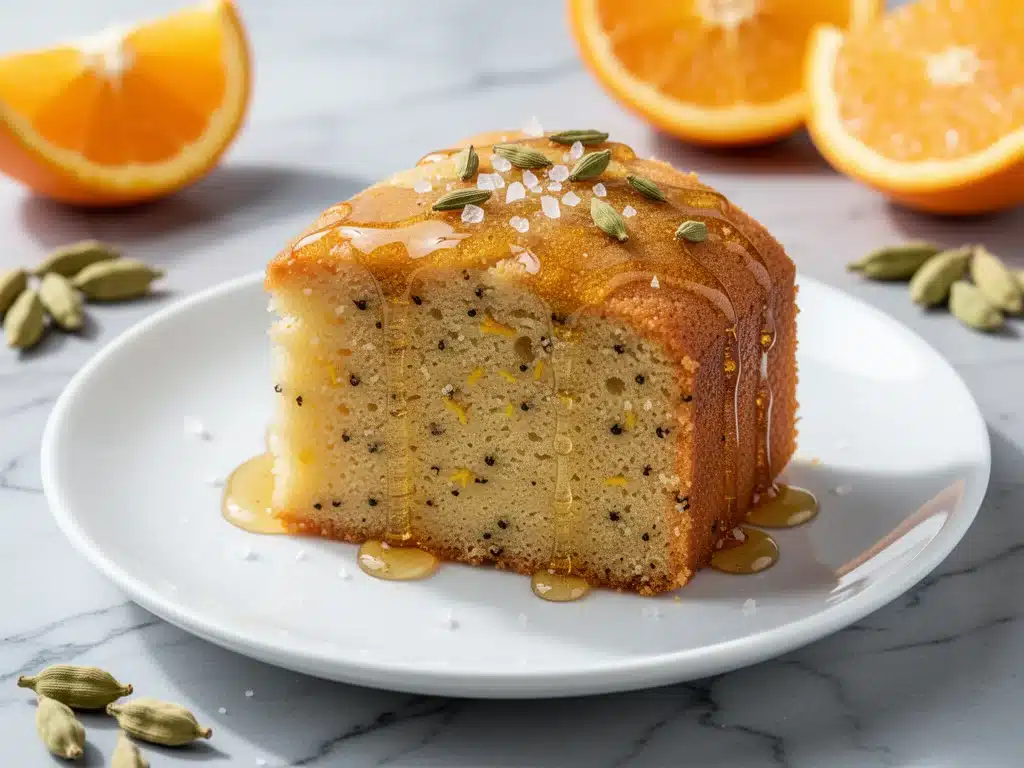
I have a confession to make. Last month, I bought a bottle of expensive olive oil specifically to make this cake, and I almost didn’t use it. I stared at that green-gold liquid in my pantry, wondering if it was worth the splurge for a simple cake. Then I remembered the last time I made a dessert that actually felt special—without being complicated or overly sweet.
That’s when I decided to stop overthinking it. I grabbed my mixing bowl, cracked some eggs, and just started whisking. What came out of the oven wasn’t just a cake; it was an experience. The scent of cardamom and orange zest filled my entire house, making it smell like a high-end bakery but tasting like something my grandmother might have made if she’d lived in the Mediterranean.
This cardamom orange olive oil cake with honey glaze has become my absolute go-to when I need to impress guests or just treat myself to something luxurious on a rainy Tuesday. It’s moist, fragrant, and has this incredible crumb that falls apart just enough to be tender but holds together perfectly. And that honey glaze? It’s not just sugar; it’s the kind of sweet that tastes like flowers and sunshine.
I’ve tested this recipe at least seven times in the last six weeks. I’ve tweaked the amount of zest, played with the baking time, and even tried different types of honey. The version below is the one that wins every single time. It’s simple, it’s elegant, and honestly? It’s the kind of cake you’ll find yourself making on repeat because it’s so good, you’ll want to save half for tomorrow.
Why You’ll Love This Cardamom Orange Olive Oil Cake
Look, there are plenty of cake recipes out there. You’ve probably seen them on Pinterest or Instagram, all looking perfect in those bright, airy photos. But let’s be real—some of them are a nightmare to make. They require butter that’s at the perfect temperature, eggs that aren’t too cold, and a stand mixer that sounds like a jet engine.
This cardamom orange olive oil cake is different. It’s forgiving. It’s honest. And it tastes better than anything you’d buy at a store.
Here’s why this cake has earned a permanent spot in my rotation:
It’s Actually Moist (Not Just Wet) — Butter cakes can be dry if you overbake them by even two minutes. Olive oil keeps this cake incredibly moist for days. I made a batch on Sunday, and by Wednesday, it was still tender and soft. No dry edges, no crumbly bits. Just pure, consistent moisture.
The Flavor Profile is Unique — Most cakes are vanilla or chocolate. This one is warm, spicy, and bright. Cardamom brings this floral, slightly peppery note that pairs perfectly with the citrusy punch of fresh orange zest. It’s sophisticated but not pretentious. It’s the kind of dessert that makes people ask, “What is that amazing smell?”
It’s Ready in Under an Hour — From mixing to cooling, you’re looking at about 45 minutes. That’s less time than it takes to order delivery and wait for a driver. I make this when I have unexpected guests, or when I just need a quick pick-me-up in the afternoon. It’s faster than cinnamon apple dump cake and tastes a hundred times more refined.
The Honey Glaze is the Star — I could eat the glaze by itself with a spoon. It’s not overly sweet like a traditional sugar glaze. It’s sticky, aromatic, and adds a beautiful shine to the cake. It elevates the whole thing from “homemade treat” to “dessert party centerpiece.”
It’s Naturally Egg-Friendly — If you’re sensitive to eggs or just running low, this cake is forgiving. It doesn’t rely on eggs for structure in the same way a sponge cake does. The olive oil and yogurt (or sour cream) do the heavy lifting. This makes it a great option for families with different dietary needs.
It Stores Like a Dream — Unlike delicate meringues or fragile pastries, this cake keeps well at room temperature for up to three days. In fact, many bakers swear that day-old olive oil cakes taste even better because the flavors have had time to meld. I’ve packed slices in containers for lunchboxes, and they come out perfect every time.
So basically, if you want a cake that looks impressive but doesn’t require a degree in pastry arts, this is it. It’s my answer to “What should I bake?” when I want to feel like a pro without the stress.
Ingredients You’ll Need for the Perfect Cake
Here’s the best part: you probably have most of these ingredients already. This isn’t a recipe that requires a trip to three different specialty stores. It’s built on pantry staples with a few key upgrades that make all the difference.
For the Cake Base:
Extra Virgin Olive Oil (¾ cup / 180ml) — This is the foundation. Don’t use extra light olive oil or a bland variety. You want something fruity and robust. I use a California olive oil or a good Italian one. It should taste good on its own. If it tastes bitter or grassy in a bad way, don’t use it. The flavor of the oil will be prominent, so quality matters.
Granulated Sugar (1 cup / 200g) — Standard white sugar works best here. It helps create that slightly crisp edge while keeping the interior tender. I’ve tried brown sugar, but it makes the cake too dense and molasses-heavy. Stick with white for the clean orange-cardamom flavor.
Eggs (3 large) — Room temperature eggs are ideal. If you forgot to take them out, just drop them in a bowl of warm water for 5 minutes. They emulsify better with the oil and sugar this way, creating a lighter, fluffier batter.
Plain Yogurt or Sour Cream (½ cup / 120g) — This is the secret weapon. It adds tang and moisture. Greek yogurt works great if you want a denser crumb, but sour cream gives it a richer, cake-like texture. I usually have sour cream in the fridge, so that’s my go-to.
All-Purpose Flour (1 ½ cups / 190g) — Don’t overmeasure! Spoon the flour into the cup and level it off. If you scoop directly from the bag, you’ll pack it down and end up with a dry cake. I sift mine just to be safe, but it’s not strictly necessary.
Baking Powder (1 ½ teaspoons) — Make sure it’s fresh. If your baking powder is older than six months, it might not give the cake enough lift. A good lift means a beautiful dome and tender texture.
Fresh Orange Zest (2 medium oranges) — This is non-negotiable. Bottled orange extract just doesn’t cut it. You need the essential oils from the peel. Use an organic orange if you can, since you’ll be eating the skin’s oils. Zest before you juice!
Fresh Orange Juice (¼ cup / 60ml) — From those same oranges. It adds brightness and helps balance the sweetness. If you don’t have enough juice from the oranges, you can add a splash of water, but fresh is best.
Ground Cardamom (2 teaspoons) — Cardamom is expensive, but you don’t need much. I buy it ground to save time, but if you want the absolute best flavor, buy whole pods and grind them yourself. It’s worth the extra five minutes. The flavor is intense, so don’t skip it.
Salt (½ teaspoon) — Just a pinch to balance the sweetness and enhance the other flavors. Don’t leave this out.
For the Honey Glaze:
Light Honey (¼ cup / 85g) — I use clover or orange blossom honey. Avoid dark, robust honeys like buckwheat—they’ll overpower the delicate orange and cardamom flavors. You want something floral and mild.
Orange Juice (1 tablespoon) — To thin out the honey. If you don’t have juice, warm water works too.
Pinch of Salt — To keep the sweetness from being cloying.
Pro Tip: I always measure my spices before I start mixing. Cardamom can be tricky to measure evenly if you’re adding it while the batter is already going. Get it ready first.
Equipment You’ll Need
You don’t need fancy gadgets for this. Here’s what I actually use:
9-Inch Round Cake Pan — I use a heavy-duty metal pan. Glass pans heat differently and can result in a darker crust. If you only have glass, reduce the oven temperature by 25°F.
Large Mixing Bowl — A bowl with a wide mouth makes whisking easier. I prefer glass or stainless steel so I can see the batter consistency.
Whisk — A balloon whisk is perfect for incorporating air into the eggs and sugar. It’s faster than a spoon and gives you a smoother batter.
Zester or Microplane — A microplane gives you the finest zest, which disperses better in the batter. A box grater works too, but you’ll get bigger pieces that might be noticeable in the crumb.
Cooling Rack — Essential for letting the cake cool evenly. If you leave it in the pan, the bottom will steam and get soggy.
Small Saucepan or Microwave-Safe Bowl — For warming the honey slightly so it pours easily. Cold honey is thick and stubborn.
Pastry Brush — Optional, but nice for brushing the glaze evenly. A spoon works fine if you’re being lazy (which I often am).
How to Make It: Step-by-Step
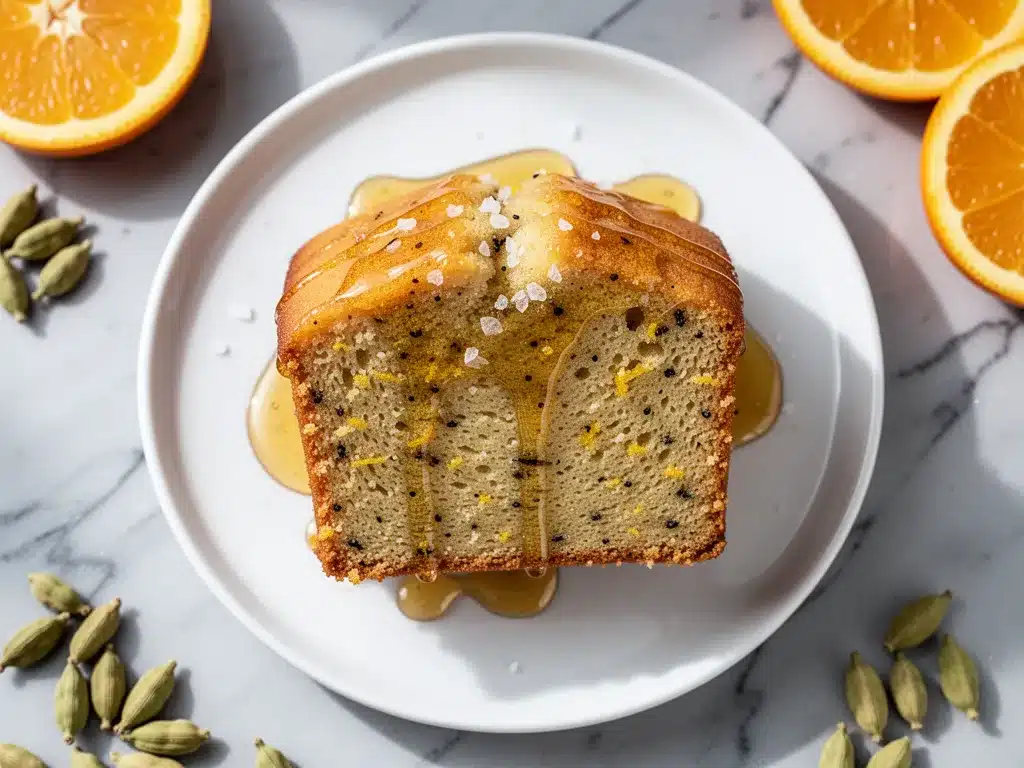
Alright, let’s make this! I’m walking you through exactly how I do it, including the little tricks I’ve picked up over the years.
Step 1: Prep Your Pan and Oven (5 minutes)
Preheat your oven to 350°F (175°C). Grease your 9-inch round cake pan with a little olive oil, then dust it with flour. Tap out the excess. I like to line the bottom with parchment paper for easy removal, but it’s not strictly necessary if you grease well. This step ensures your cake doesn’t stick and comes out in one beautiful piece.
Step 2: Whisk the Wet Ingredients (3 minutes)
In your large mixing bowl, whisk together the olive oil and sugar until the mixture looks pale and slightly fluffy. This takes about 2 minutes of vigorous whisking. It’s the most important step for texture. Then, add the eggs one at a time, whisking well after each addition. The batter might look slightly curdled at first—don’t panic! Add the yogurt (or sour cream), orange zest, and orange juice. Whisk until everything is smooth and combined. The mixture should be glossy and fragrant.
Step 3: Mix the Dry Ingredients (2 minutes)
In a separate medium bowl, whisk together the flour, baking powder, ground cardamom, and salt. I do this separately to ensure the baking powder and spices are evenly distributed. If you dump them all in at once, you might end up with pockets of bitter baking powder or strong cardamom.
Step 4: Combine Wet and Dry (2 minutes)
Pour the dry ingredients into the wet ingredients. Use a spatula or whisk to gently fold them together. Stop as soon as the flour disappears. Overmixing develops gluten, which makes the cake tough. You want a tender, soft crumb, so be gentle. The batter will be thick but pourable. Scrape down the sides of the bowl to make sure everything is incorporated.
Step 5: Bake the Cake (30-35 minutes)
Pour the batter into your prepared pan and smooth the top with a spatula. Place it in the center of the oven. Bake for 30-35 minutes. The cake is done when the top is golden brown and springs back lightly when you touch it. A toothpick inserted into the center should come out clean or with just a few moist crumbs. Do not overbake! Olive oil cakes can dry out if left in too long. I usually check at 28 minutes.
Step 6: Cool Completely (30 minutes)
Let the cake cool in the pan for 10 minutes, then turn it out onto a wire rack to cool completely. This is crucial. If you try to glaze a warm cake, the honey will melt and run off, leaving you with a sticky mess and no shine. Patience pays off here.
Step 7: Make and Apply the Honey Glaze (5 minutes)
While the cake cools, warm the honey slightly in the microwave (15 seconds) or in a small saucepan over low heat. It should be runny but not hot. Whisk in the orange juice and pinch of salt until smooth. Once the cake is completely cool, pour the glaze over the top, letting it drip down the sides. If you want a thicker glaze, add less orange juice. If you want a thinner, more translucent glaze, add a bit more.
Troubleshooting: If the glaze is too thick and won’t spread, add another teaspoon of orange juice. If it’s too thin and runs off too fast, let it sit for a minute—it will thicken slightly as it cools.
Expert Tips & Tricks for Success
Here’s everything I’ve learned from making this cake dozens of times. These tips will save you from my mistakes.
Room Temperature Ingredients Matter — I know it’s a pain, but taking your eggs and yogurt out of the fridge 30 minutes before you start makes a huge difference. Cold ingredients can cause the batter to break, resulting in a grainy texture. If you’re short on time, warm the eggs in hot water for 5 minutes.
Zest Before You Juice — It seems obvious, but I’ve done it twice where I squeezed the orange first and then couldn’t get good zest. Always zest your citrus fruits before you extract the juice.
Don’t Skimp on Cardamom — Cardamom is the soul of this cake. If you reduce it, you lose the unique flavor profile. If you don’t have cardamom, you can substitute with ground ginger or allspice, but it won’t taste the same. I keep a small jar of it in my spice cabinet specifically for this cake.
Use a Light Hand When Mixing — Once you add the flour, mix just until combined. Overmixing is the number one reason cakes turn out dense. You want a tender, cake-like texture, not a bread-like one.
Let the Cake Cool Completely — I know the temptation to glaze it early is strong. But a warm cake will melt the glaze. Wait until the cake is cool to the touch. If you’re impatient, you can put it in the fridge for 10 minutes to speed up the cooling process.
Store Properly — Once glazed, store the cake in an airtight container at room temperature for up to 3 days. It stays moist and flavorful. If you live in a humid climate, keep it in the fridge, but let it come to room temperature before serving for the best texture.
Variations & Substitutions
Once you’ve nailed the basic version, here’s how you can mix it up. I’ve tried all of these.
Lemon Cardamom Version — Swap the orange zest and juice for lemon. It’s brighter and more tart. I love this version in the summer. It pairs beautifully with fresh berries.
Chocolate Chip Addition — Add ½ cup of semi-sweet chocolate chips to the batter. The chocolate and orange are a classic combination. It adds a fun surprise in every bite.
Almond Extract Twist — Add ½ teaspoon of almond extract to the batter. It enhances the cardamom and adds a sophisticated, marzipan-like note. This is my favorite variation for holidays.
Gluten-Free Option — Use a 1:1 gluten-free flour blend. I’ve used Bob’s Red Mill and Cup4Cup with great results. Make sure your baking powder is gluten-free. The texture might be slightly denser, but it’s still delicious.
Dairy-Free Version — Substitute the sour cream with coconut yogurt or cashew cream. Use maple syrup instead of honey for the glaze if you want to be fully vegan. The olive oil is already dairy-free, so this is easy to modify.
Spice Swap — If you don’t have cardamom, try ground ginger or a mix of cinnamon and nutmeg. It won’t be the same, but it will still be a tasty spiced cake.
Serving & Storage
How to Serve: I usually serve this cake sliced into wedges, with a dollop of whipped cream or a scoop of vanilla ice cream. It’s also great on its own with a cup of tea or coffee. The cardamom pairs wonderfully with black tea.
Side Dishes: This cake pairs well with fresh fruit, like berries or sliced figs. It’s also delicious served with a glass of sweet wine or dessert sherry.
Storage: Store in an airtight container at room temperature for up to 3 days. If you need to keep it longer, wrap it tightly in plastic wrap and freeze it for up to 2 months. Thaw at room temperature before serving.
Reheating: You don’t need to reheat this cake. It’s best served at room temperature. If you prefer it warm, you can microwave a slice for 10-15 seconds, but be careful not to melt the glaze.
Nutrition Information
I’m not a nutritionist, but here’s the breakdown if you’re tracking.
Per Serving (based on 8 servings):
| Nutrient | Amount |
|---|---|
| Calories | 280 |
| Protein | 4g |
| Carbs | 38g |
| Fiber | 1g |
| Sugar | 22g |
| Fat | 14g |
| Saturated Fat | 2g |
| Cholesterol | 45mg |
| Sodium | 150mg |
What’s Good: The olive oil provides healthy fats, and the cardamom has anti-inflammatory properties. It’s lighter than a butter-heavy cake.
What to Know: It contains sugar and honey, so it’s not low-carb. But it’s a reasonable treat when enjoyed in moderation.
Final Thoughts
So that’s my go-to cardamom orange olive oil cake! I’ve probably talked your ear off at this point, but when you make a recipe this often, you have a lot to say about it.
This cake has saved my dessert game more times than I can count. It’s my answer to “What should I bring to the potluck?” or “What should I bake for a rainy Sunday?” It’s elegant enough for guests but simple enough for a weeknight treat. My family loves it, and I love making it.
Make it yours! Try different types of honey, swap in your favorite citrus, or add some nuts. The best recipes are the ones you adapt to your tastes.
If you make this, drop a comment and let me know what you think! I love hearing how recipes turn out in your kitchen. And if something doesn’t work, tell me that too—I’m here to help troubleshoot.
Happy baking! And I hope your kitchen smells half as good as mine does right now.
Frequently Asked Questions
Can I use butter instead of olive oil?
You can, but the texture and flavor will be different. Butter makes the cake richer and more traditional, but olive oil keeps it moist and adds a unique fruity note. If you use butter, melt it and let it cool slightly before adding. I prefer olive oil for this specific recipe because of the cardamom pairing.
Why did my cake sink in the middle?
This usually happens if the oven temperature is too high or if the cake is underbaked. Make sure you’re not opening the oven door too often while it’s baking. Also, check your baking powder—it might be old. If the center is still wet, cover it with foil and bake for a few more minutes.
Can I make this cake ahead of time?
Yes! You can bake the cake 2 days ahead and store it unglazed in an airtight container. Glaze it just before serving. This actually helps the flavors meld together. If you glaze it ahead, the glaze might absorb into the cake, so I recommend waiting until the last minute.
What kind of honey is best for this glaze?
Light, mild honeys work best. Clover, orange blossom, or wildflower honey are great choices. Avoid dark honeys like buckwheat or molasses honey, as they will overpower the delicate orange and cardamom flavors.
Can I freeze this cake?
Yes, but I recommend freezing the cake unglazed. Wrap it tightly in plastic wrap and then in foil. It will keep for up to 2 months. Thaw at room temperature and glaze before serving. The glaze doesn’t freeze well because it can become sticky or separate.
How do I store leftover cake?
Store it in an airtight container at room temperature for up to 3 days. If you live in a very humid or hot climate, keep it in the fridge. Bring it to room temperature before serving for the best texture and flavor.
Pin This Recipe!
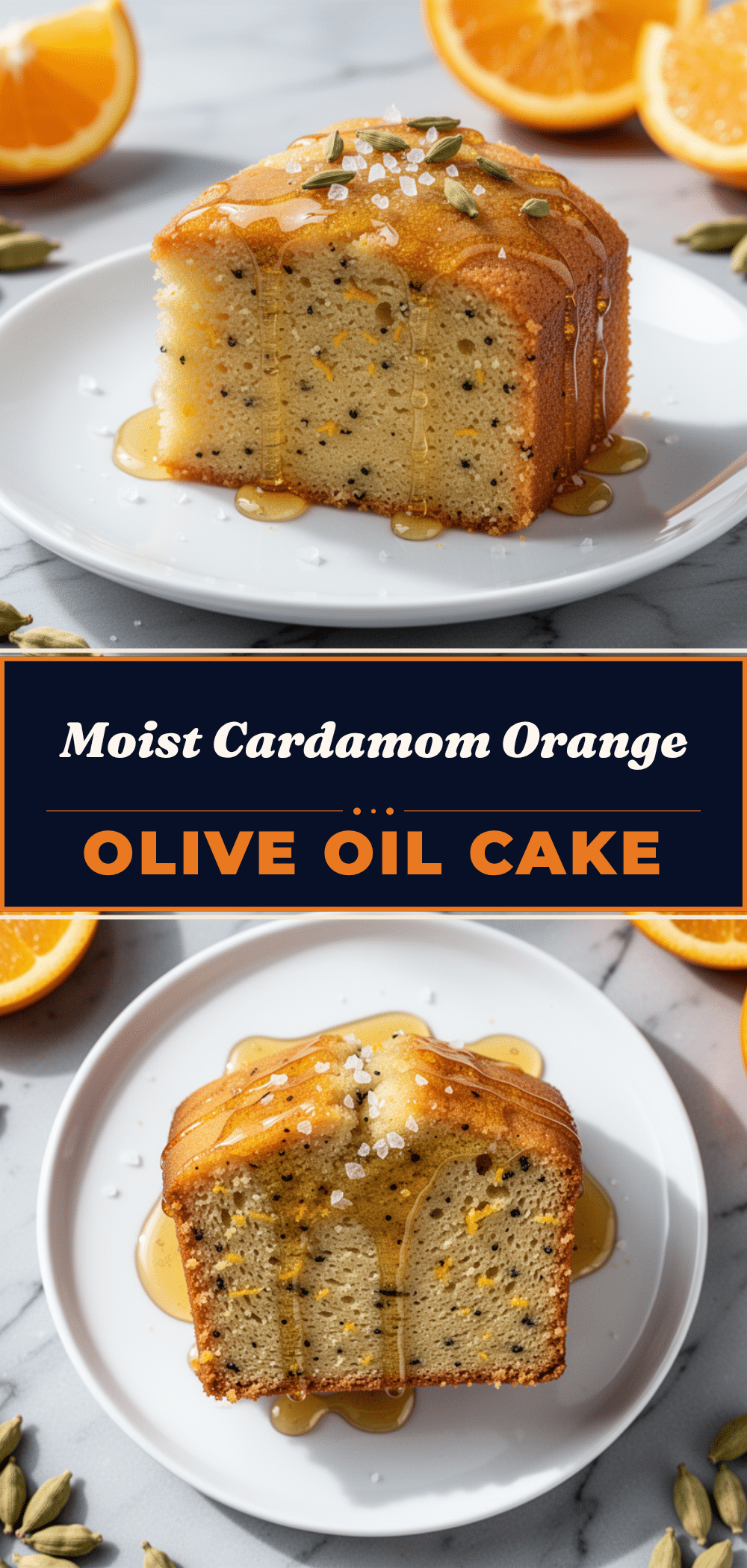
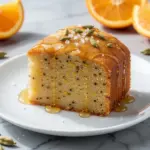
Cardamom Orange Olive Oil Cake with Honey Glaze
- Total Time: 45 minutes
- Yield: 8 servings 1x
Description
A moist, fragrant olive oil cake infused with warm cardamom and bright orange zest, finished with a delicate honey glaze. This elegant yet simple dessert is ready in under an hour and stays tender for days.
Ingredients
- ¾ cup (180ml) Extra Virgin Olive Oil
- 1 cup (200g) Granulated Sugar
- 3 large Eggs, room temperature
- ½ cup (120g) Plain Yogurt or Sour Cream
- 1 ½ cups (190g) All-Purpose Flour
- 1 ½ teaspoons Baking Powder
- Zest of 2 medium Oranges
- ¼ cup (60ml) Fresh Orange Juice
- 2 teaspoons Ground Cardamom
- ½ teaspoon Salt
- ¼ cup (85g) Light Honey (for glaze)
- 1 tablespoon Orange Juice (for glaze)
- Pinch of Salt (for glaze)
Instructions
- Preheat oven to 350°F (175°C). Grease a 9-inch round cake pan with olive oil, dust with flour, and line the bottom with parchment paper for easy removal.
- In a large mixing bowl, whisk olive oil and sugar until pale and fluffy (about 2 minutes).
- Add eggs one at a time, whisking well after each addition. Add yogurt (or sour cream), orange zest, and orange juice. Whisk until the mixture is smooth and glossy.
- In a separate medium bowl, whisk together flour, baking powder, ground cardamom, and salt.
- Pour dry ingredients into wet ingredients. Gently fold together with a spatula until just combined. Do not overmix.
- Pour batter into prepared pan and smooth the top. Bake for 30-35 minutes, or until the top is golden brown and a toothpick inserted in the center comes out clean.
- Let the cake cool in the pan for 10 minutes, then turn out onto a wire rack to cool completely.
- While the cake cools, warm the honey slightly until runny. Whisk in 1 tablespoon orange juice and a pinch of salt until smooth.
- Once the cake is completely cool, pour the honey glaze over the top, allowing it to drip down the sides.
Notes
Ensure ingredients are at room temperature for best emulsion. Zest oranges before juicing. Do not overmix the batter to avoid a tough texture. The cake stores well at room temperature for up to 3 days. For a gluten-free version, use a 1:1 gluten-free flour blend. For a dairy-free version, substitute sour cream with coconut yogurt and honey with maple syrup.
- Prep Time: 15 minutes
- Cook Time: 30 minutes
- Category: Dessert
- Cuisine: Mediterranean
Nutrition
- Serving Size: 1 slice
- Calories: 280
- Sugar: 22
- Sodium: 150
- Fat: 14
- Saturated Fat: 2
- Carbohydrates: 38
- Fiber: 1
- Protein: 4
Keywords: olive oil cake, cardamom cake, orange cake, honey glaze, easy dessert, gluten-free option, dairy-free option, moist cake