Three years ago, I ordered what I thought would be a safe dinner at a trendy Asian fusion spot. It was “Vegan Sesame Noodles.” I got a bowl of lukewarm, soggy noodles coated in a thin, watery sauce that tasted vaguely like sweetened soy sauce. It was disappointing enough that I vowed never to order vegan noodles again. I assumed they were inherently mushy, lacking the structural integrity to hold up to anything other than a limp fork.
That was until I started testing this recipe at home. I made it seven times in two weeks. Seven. My roommate started looking at me like I was hoarding ingredients. But on the eighth attempt, something clicked. I wasn’t just mixing sauce and noodles; I was building texture. The secret wasn’t in the peanuts or the sesame oil (though those are crucial). It was in how I treated the vegetables and when I added the crunch.
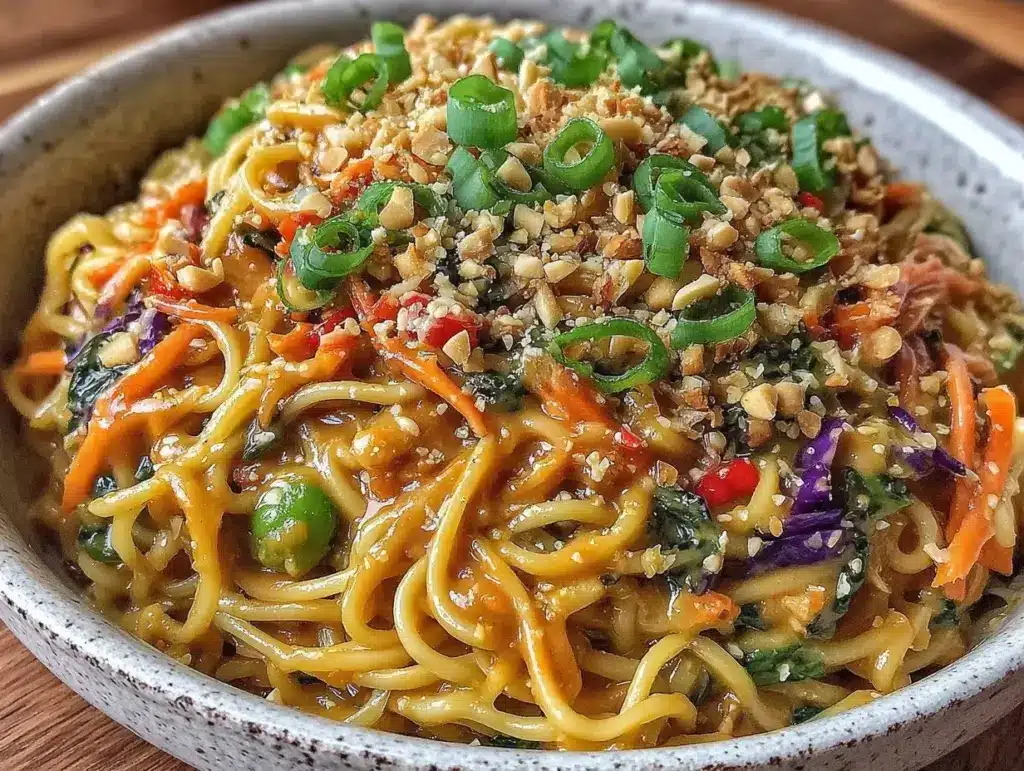
This is the vegan peanut sesame noodles with crunchy rainbow vegetables that changed my mind about plant-based Asian cuisine. It’s vibrant, it’s fast, and it has a textural contrast that makes every bite satisfying. The “rainbow” part isn’t just for Instagram—it’s about layering flavors and mouthfeels. And that one trick? Toasting your nuts and seeds properly and keeping your veggies crisp-tender. It’s the difference between a sad salad and a meal that actually impresses.
Why You’ll Love This Recipe
I’ve been making this bowl of joy at least twice a month since I cracked the code on texture. Here’s why it has earned a permanent spot in my weekly rotation, right alongside my creamy pumpkin alfredo pasta for those times I need pure comfort.
- Texture Overload — Seriously, the crunch factor is insane. We’re talking toasted sesame seeds, crushed peanuts, and fresh, crisp veggies that haven’t surrendered to the sauce. It’s a sensory experience.
- Under 20 Minutes — From chopping to plating, this is a speed demon. I make this on weeknights when I’m tired but refuse to eat cereal for dinner. It feels gourmet but works like a quick snack.
- Pantry-Friendly Sauce — You don’t need a trip to the Asian market for the base. Peanut butter, soy sauce (or tamari), maple syrup, and rice vinegar are staples. If you have these, you can make this.
- Zero Leftovers Sadness — Some noodle dishes get worse the next day. This one gets better. The flavors meld overnight, and the noodles soak up that delicious sauce. I deliberately make extra for lunch on Tuesday.
- Customizable Rainbow — I use whatever colorful veggies I have lying around. Red peppers, snap peas, carrots, edamame—it’s a great way to use up the produce drawer before it turns.
This isn’t just “diet food.” It’s flavorful, rich, and deeply satisfying. It’s the kind of dish that makes people ask, “Wait, this is vegan?” and then ask for the recipe before they’ve even finished their second bowl.
Ingredients You’ll Need
Here’s the best part: you probably have most of this already. I’m particular about a few things, though, so let’s break down what goes into this bowl and why.
For the Noodles
Soba noodles (8 oz / 225g) — I use buckwheat soba for a nutty flavor and firm texture. Rice noodles work too if you’re gluten-free, but they get softer faster. Don’t buy the pre-cooked packs; fresh or dried is best.
Cold water bath — Not an ingredient, but essential. You’ll need a large bowl of ice water to shock the noodles after cooking. This stops the cooking process and keeps them chewy.
For the Crunchy Rainbow Vegetables
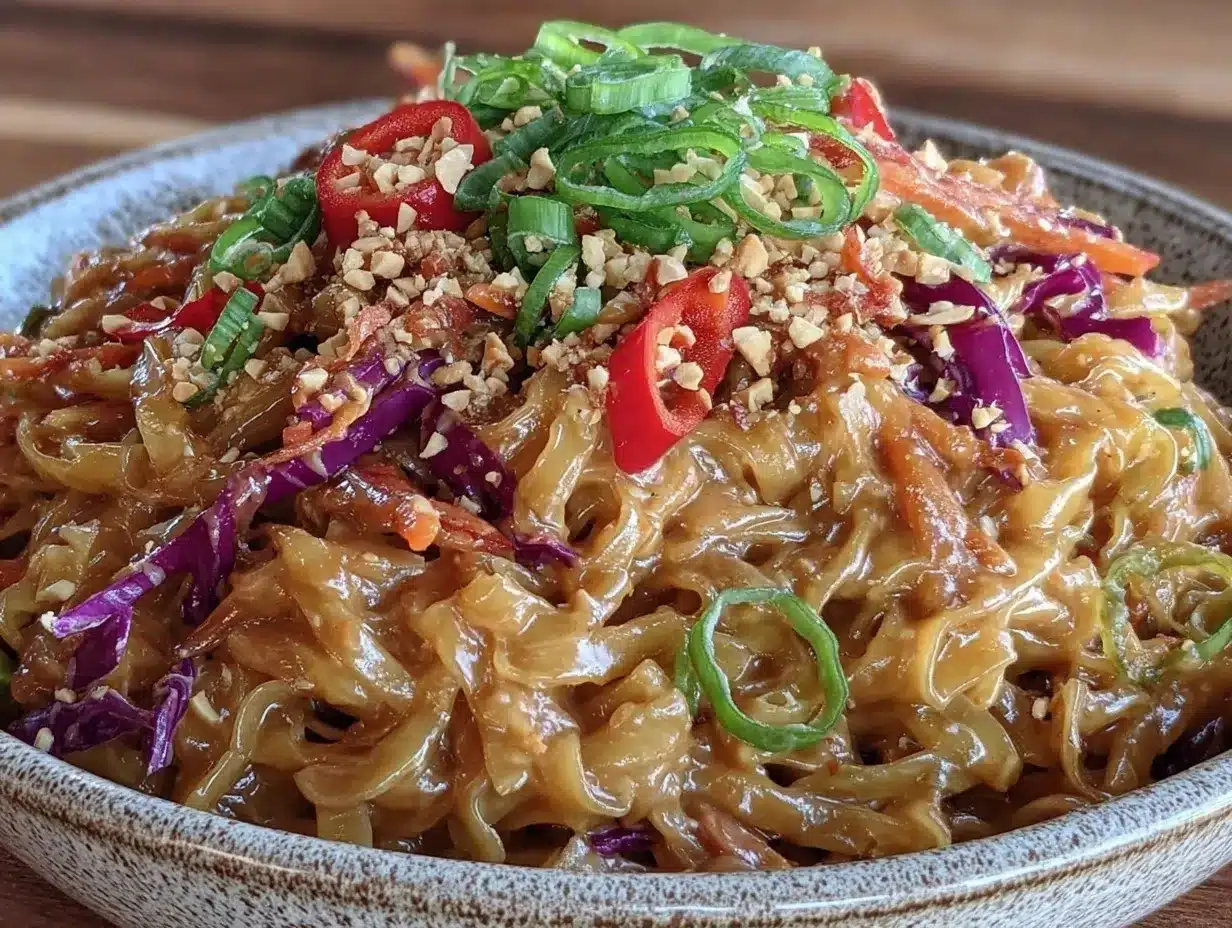
Red bell pepper (1 medium, thinly sliced) — Adds sweetness and color. I love the contrast of red against the green veggies.
Carrots (2 medium, julienned or spiralized) — Essential for crunch. If you hate carrots, swap for radishes. Same crunch, different flavor.
Snap peas or snow peas (1 cup, halved on diagonal) — These stay crisp and add a fresh, green snap. Don’t overcook them!
Edamame (1 cup, shelled, thawed if frozen) — Adds protein and a nice pop of green. Frozen is fine; just thaw under warm water.
Green onions (3 stalks, sliced thin) — For that sharp, oniony bite at the end. Save the white parts for cooking and green parts for garnish.
For the Peanut Sesame Sauce
Creamy natural peanut butter (½ cup / 120g) — No sugar added is best. If your peanut butter separates, stir it well before measuring. Skippy works in a pinch, but natural is better for flavor.
Smooth tahini (2 tablespoons) — This is the secret ingredient. It adds a deep, earthy sesame flavor that complements the peanut butter. If you don’t have tahini, use extra peanut butter, but the sauce won’t be as complex.
Low-sodium soy sauce or tamari (3 tablespoons) — Tamari is gluten-free and has a cleaner taste. I use low-sodium so I can control the salt level.
Maple syrup (2 tablespoons) — Real maple syrup, not pancake syrup. It adds a subtle caramel note that balances the salt.
Rice vinegar (1 tablespoon) — Adds necessary acidity. Don’t skip this, or the sauce will taste flat.
Sesame oil (1 teaspoon) — Toasted sesame oil. It’s potent, so a little goes a long way. Use it sparingly.
Garlic (2 cloves, minced) — Fresh only. Jarred garlic has a weird metallic taste that clashes with the delicate sesame flavor.
Ginger (1 teaspoon, freshly grated) — Fresh ginger is non-negotiable. It adds a bright, spicy kick that wakes up the palate.
For the Crunch Topping
Roasted peanuts (¼ cup, roughly chopped) — Unsalted is best so you can control the salt. Toast them lightly for extra flavor.
Roasted sesame seeds (2 tablespoons) — Again, toast these. It’s the trick that makes the dish pop.
Chili crisp or sriracha (Optional, for heat) — I add a teaspoon if I want a kick. Chili crisp adds texture too.
Equipment Needed
You don’t need fancy gadgets for this. Here’s what I actually use.
Large pot — For boiling the noodles. Any 6-quart pot works. My old stainless steel one is perfect.
Bowl of ice water — Essential for shocking the noodles. Use a large mixing bowl.
Medium saucepan or small skillet — For warming the sauce. I use a small saucepan to make stirring easier.
Whisk — To emulsify the sauce. A small whisk works best.
Sharp knife and cutting board — For prepping the veggies. A good knife makes julienning carrots much less painful.
Large serving bowl or plates — I serve family-style, but individual bowls look nice too.
How to Make It: Step-by-Step
Alright, let’s make this! I’m walking you through exactly how I do it, including the little tricks I’ve picked up.
Step 1: Prep Your Veggies (5 minutes)
Wash and slice your bell pepper, carrots, and snap peas. I julienne the carrots with a peeler or a knife—it looks pretty and cooks evenly. Slice the green onions. If using frozen edamame, thaw them now. Set all veggies aside in a bowl. Having everything ready before you start cooking is key because this comes together fast.
Step 2: Cook and Shock the Noodles (8 minutes)
Bring a large pot of salted water to a boil. Add the soba noodles and cook according to package directions (usually 3-5 minutes for dried, less for fresh). The second they are done, drain them and immediately plunge them into the ice water bath. This stops the cooking and keeps them firm. Let them sit for 1 minute, then drain well and set aside. Do not skip the ice bath, or your noodles will be mushy.
Step 3: Make the Sauce (3 minutes)
In a small saucepan over low heat, combine the peanut butter, tahini, soy sauce, maple syrup, rice vinegar, minced garlic, grated ginger, and sesame oil. Whisk constantly until smooth and creamy. If it’s too thick, add warm water, one tablespoon at a time, until you reach a pourable consistency. It should coat the back of a spoon. Remove from heat immediately. Don’t let it boil, or the oils will separate.
Step 4: Toast the Crunch (2 minutes)
In a small dry skillet over medium heat, toast the peanuts and sesame seeds. Stir constantly for 2-3 minutes until they smell nutty and turn slightly darker. Be careful—they burn fast. As soon as they’re fragrant, remove them from the pan and let them cool. This step is the trick that makes the difference. Raw nuts just don’t have the same depth.
Step 5: Combine Everything (2 minutes)
In a large bowl, toss the drained noodles with half of the sauce. Add the raw vegetables (except the green onion tops). Toss well to coat. The residual heat from the noodles will slightly wilt the veggies but keep them crisp. Add more sauce if you like it saucier.
Step 6: Serve and Garnish
Divide among bowls. Drizzle with remaining sauce. Top generously with the toasted nuts and seeds, green onion tops, and chili crisp if using. Serve immediately while the noodles are still cool and the crunch is fresh.
Expert Tips & Tricks
Here’s everything I’ve learned from making this dozens of times. These tips will save you from my mistakes.
The Ice Bath is Non-Negotiable
I’ve made this mistake once. I didn’t shock the noodles, and by the time I plated them, they were a sticky, mushy ball. The ice bath keeps them separate and chewy. Trust me on this.
Toast Your Nuts and Seeds
This is the #1 trick. Raw peanuts and sesame seeds taste flat. Toasting them releases their essential oils and adds a smoky depth. It takes 2 minutes and changes everything. I learned this from a chef friend who swore by it for Asian salads.
Don’t Over-Sauce the Noodles
Noodles continue to absorb sauce even after you’ve plated them. If you drown them in sauce, they’ll become soggy by the time you eat. Start with less sauce, toss, and add more at the table if needed. Better to be slightly dry than soggy.
Keep Veggies Raw or Blanched
For maximum crunch, keep the carrots and peppers raw. If you prefer softer veggies, blanch them for 30 seconds in boiling water and shock them in ice water. But I prefer the raw crunch—it contrasts beautifully with the soft noodles.
Use Natural Peanut Butter
If your peanut butter has added sugar or hydrogenated oils, the sauce will be gritty or too sweet. Natural, unsweetened peanut butter is best. Stir it well before measuring to incorporate the oil.
Variations & Substitutions
Once you’ve nailed the basic version, here’s how you can mix it up. I’ve tried all of these.
Gluten-Free Version
Use rice noodles or gluten-free soba (made from brown rice). Make sure your soy sauce is tamari. Everything else is naturally gluten-free.
Spicy Version
Add 1-2 teaspoons of chili crisp or sriracha to the sauce. Or top with crushed red pepper flakes. I love the heat for winter nights.
Protein Boost
Add crispy tofu cubes or tempeh strips. I often pan-fry tofu with a little soy sauce and serve it on top. It adds a nice chewy texture.
Green Goddess
Add a handful of fresh cilantro or basil to the sauce. It adds a fresh, herbal note that pairs well with the sesame.
No Tahini?
Use extra peanut butter. The sauce will be less complex but still delicious. I’ve done this when I ran out of tahini.
Serving & Storage
How to Serve:
I usually serve this straight from the mixing bowl at the table—it looks rustic and stays cool. But here are other ways I’ve enjoyed it:
Side Dishes:
- Simple cucumber salad with rice vinegar
- Steamed bok choy
- Edamame with sea salt
Toppings Bar:
When I have guests, I put out: extra crushed peanuts, chili crisp, lime wedges, fresh cilantro, and sesame seeds. Everyone customizes their bowl.
Storage Instructions:
Refrigerator: Store in an airtight container for up to 3 days. The noodles will absorb more sauce, so add a splash of water or soy sauce when reheating. Actually, I prefer eating this cold or at room temperature the next day—it tastes even better.
Reheating: You can eat this cold! If you want it warm, microwave for 1-2 minutes with a splash of water. Don’t overheat, or the veggies will get soggy.
Freezing: Do not freeze. The noodles and veggies will turn mushy when thawed. Make it fresh or store in the fridge for up to 3 days.
Nutrition Information
I’m not a nutritionist, but here’s the breakdown if you’re tracking.
Per Serving (based on 4 servings):
- Calories: 450
- Protein: 18g
- Carbs: 52g
- Fiber: 6g
- Sugar: 8g
- Fat: 20g
- Saturated Fat: 4g
- Cholesterol: 0mg
- Sodium: 680mg
What’s Good:
- High in fiber from veggies and buckwheat
- Good plant-based protein from peanuts and edamame
- Healthy fats from sesame and peanuts
What to Know:
- Higher in calories due to peanut butter and nuts
- Contains sodium from soy sauce
- Can be made gluten-free
My Take:
Look, this is a rich, flavorful dish. It’s not a diet salad. But it’s packed with nutrients, fiber, and protein. When I want to make it lighter, I reduce the peanut butter to ¼ cup and add more veggies. But usually? I just enjoy a reasonable portion and love every bite.
Final Thoughts
So that’s my go-to vegan peanut sesame noodles with crunchy rainbow vegetables! I’ve probably talked your ear off at this point, but when you make a recipe this often, you have a lot to say about it.
This has saved weeknight dinners more times than I can count. It’s my answer to “what’s for dinner” when I’m tired, don’t want takeout, and still want something that tastes really good. My kids are happy (even the picky ones love the crunch), my partner’s happy, and I’m happy because I’m not stressed about cooking.
Make it yours! Try different veggies, swap in your favorite nuts, adjust the spice level. The best recipes are the ones you adapt to your family’s tastes.
If you make this, drop a comment and let me know what you think! I love hearing how recipes turn out in your kitchen. And if something doesn’t work, tell me that too—I’m here to help troubleshoot.
Happy cooking! And I hope your kitchen smells half as good as mine does right now.
Frequently Asked Questions
Can I use rice noodles instead of soba?
Yes! Rice noodles work well, but they get softer faster. I recommend using thick rice noodles (like hoisin noodles) for better texture. Cook them just until tender, shock in ice water, and use them immediately. Soba has a nuttier flavor that pairs better with peanut sauce, but rice noodles are a great gluten-free option.
Why did my sauce turn out grainy?
This usually happens if the heat was too high when mixing the peanut butter and tahini. Always warm the sauce over low heat and whisk constantly. If it’s already grainy, try adding a splash of warm water and whisking vigorously. It should smooth out. Also, make sure your peanut butter is well-stirred before measuring.
Can I make this ahead for a dinner party?
Sort of. Prep the veggies and make the sauce up to 2 days ahead. Cook the noodles fresh right before serving (takes 5 minutes). Toss everything together just before serving. The noodles will absorb sauce over time, so you may need to add a little extra sauce or water right before serving. It won’t be quite as good as fresh, but it’s close and saves you stress.
How do I reheat leftovers without it getting dry?
Add a splash of water or soy sauce to a skillet, add your leftover noodles, and heat gently over low heat, stirring frequently. The extra liquid brings back the creamy texture. Microwave sort of works but tends to dry it out. If you do microwave, definitely add a splash of water first and heat in short bursts, stirring between.
Can I use natural almond butter instead of peanut butter?
You can, but the flavor will be different. Almond butter is milder and slightly sweeter. The sauce will be less robust. I’ve tried it, and it’s good, but not as deep in flavor as peanut butter. Tahini helps balance it, so don’t skip that step.
What’s the best way to julienne carrots?
I use a Y-peeler for thin, ribbon-like strips. It’s fast and easy. For matchsticks, use a sharp knife. Slice the carrot into planks, then stack and slice into thin strips. A mandoline works too, but be careful—it’s sharp! Julienne carrots cook more evenly and look prettier than chunks.
Can I add tofu to this?
Absolutely! Crispy tofu is amazing in this bowl. Pan-fry cubed tofu in a little oil until golden, then toss with a teaspoon of soy sauce. Let it cool slightly, then add on top. It adds protein and a nice chewy texture. I often do this when I’m making it for my meat-eating friends who want something hearty.
Pin This Recipe!
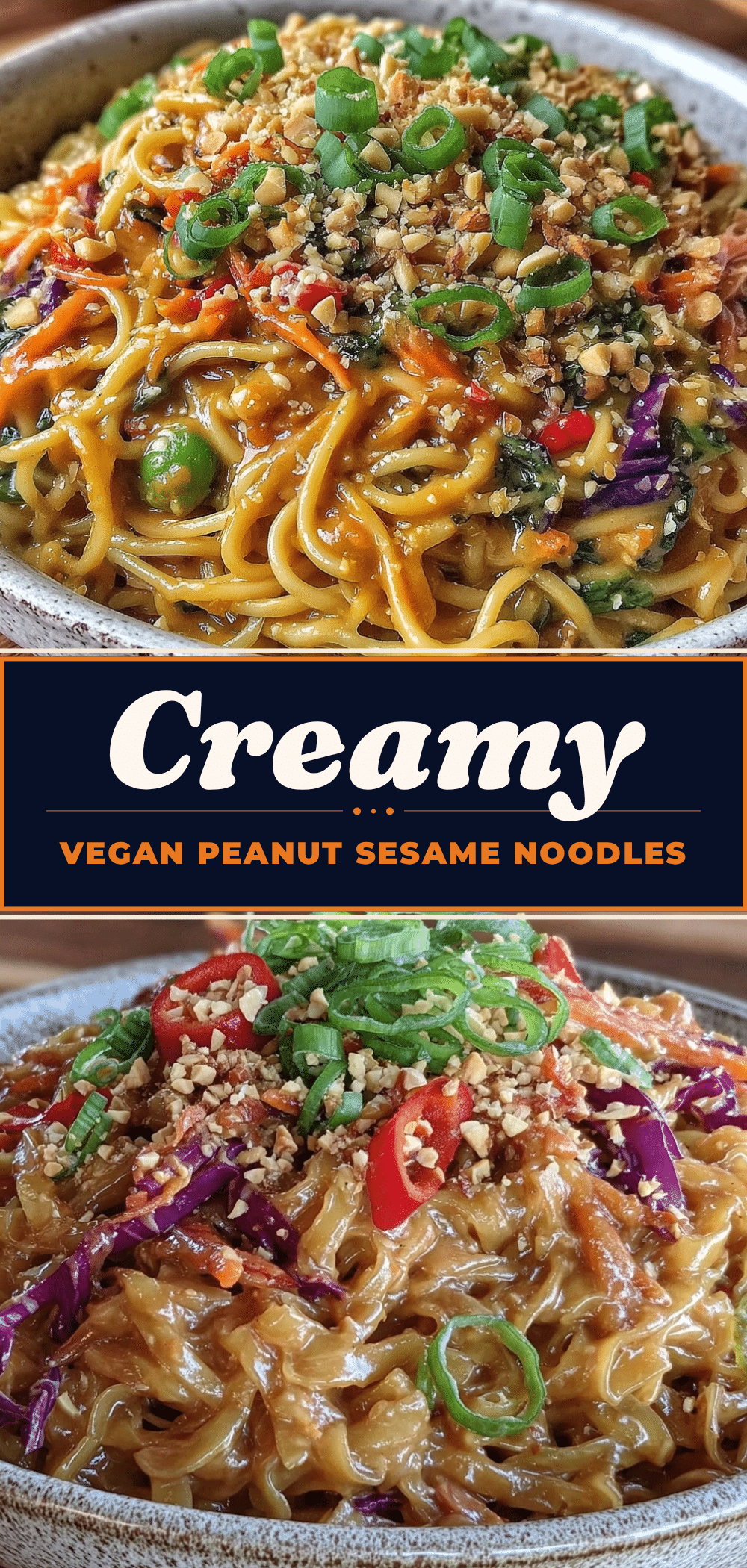
Vegan Peanut Sesame Noodles with Crunchy Rainbow Vegetables
- Total Time: 20 minutes
- Yield: 4 servings 1x
Description
A vibrant, fast, and texturally satisfying vegan noodle dish featuring a creamy peanut-tahini sauce, crisp-tender rainbow vegetables, and toasted nuts and seeds for maximum crunch.
Ingredients
- 8 oz (225g) soba noodles (or rice noodles for gluten-free)
- 1 medium red bell pepper, thinly sliced
- 2 medium carrots, julienned or spiralized
- 1 cup snap peas or snow peas, halved on diagonal
- 1 cup edamame, shelled and thawed
- 3 stalks green onions, sliced thin (white parts for cooking, green for garnish)
- ½ cup (120g) creamy natural peanut butter
- 2 tablespoons smooth tahini
- 3 tablespoons low-sodium soy sauce or tamari
- 2 tablespoons real maple syrup
- 1 tablespoon rice vinegar
- 1 teaspoon toasted sesame oil
- 2 cloves garlic, minced
- 1 teaspoon fresh ginger, grated
- ¼ cup roasted peanuts, roughly chopped
- 2 tablespoons roasted sesame seeds
- Chili crisp or sriracha, optional for heat
Instructions
- Prep vegetables: Wash and slice the bell pepper, carrots, and snap peas. Slice green onions. If using frozen edamame, thaw it. Set aside.
- Cook noodles: Bring a large pot of salted water to a boil. Add soba noodles and cook according to package directions (3-5 minutes for dried).
- Shock noodles: Immediately drain noodles and plunge them into a bowl of ice water. Let sit for 1 minute, then drain well and set aside.
- Make sauce: In a small saucepan over low heat, combine peanut butter, tahini, soy sauce, maple syrup, rice vinegar, garlic, ginger, and sesame oil. Whisk constantly until smooth. If too thick, add warm water one tablespoon at a time. Remove from heat immediately.
- Toast crunch: In a small dry skillet over medium heat, toast peanuts and sesame seeds for 2-3 minutes until fragrant and slightly darker. Remove from pan and let cool.
- Combine: In a large bowl, toss drained noodles with half of the sauce. Add the vegetables (except green onion tops) and toss well to coat.
- Serve: Divide among bowls. Drizzle with remaining sauce. Top generously with toasted nuts and seeds, green onion tops, and chili crisp if using. Serve immediately.
Notes
[‘The ice bath is non-negotiable to keep noodles chewy and prevent mushiness.’, ‘Toast nuts and seeds to release essential oils and add depth; raw nuts taste flat.’, “Don’t over-sauce the noodles as they continue to absorb sauce after plating.”, ‘Keep vegetables raw for maximum crunch, or blanch for 30 seconds if preferred softer.’, ‘Use natural, unsweetened peanut butter for best texture and flavor.’, ‘Leftovers can be stored in the refrigerator for up to 3 days. Eat cold or at room temperature for best texture.’]
- Prep Time: 5 minutes
- Cook Time: 15 minutes
- Category: Main Course
- Cuisine: Asian
Nutrition
- Serving Size: 1 bowl
- Calories: 450
- Sugar: 8
- Sodium: 680
- Fat: 20
- Saturated Fat: 4
- Carbohydrates: 52
- Fiber: 6
- Protein: 18
Keywords: vegan, peanut noodles, sesame noodles, gluten-free option, quick dinner, healthy noodles, plant-based, soba noodles, crunchy vegetables