Last Saturday, I was staring into my pantry, feeling that specific kind of despair that only happens when you’re trying to stick to a low-carb diet but your brain is screaming for something sweet. You know the feeling. You’ve had your coffee, you’ve checked your macros, and yet your soul is begging for the buttery, melt-in-your-mouth comfort of a classic shortbread cookie. The problem? Most sugar-free versions out there taste like cardboard dipped in chalk. They’re dry, they’re crumbly in the wrong way, and they leave a weird aftertaste that lingers longer than you’d like.
I was ready to just eat a piece of dark chocolate and call it a day. But then I remembered a tip from a fellow keto baker about using almond flour and a specific ratio of butter. I decided to give it one last shot. I whipped up a small batch of sugar-free vanilla almond shortbread cookies, and when I took that first bite? I actually paused. It wasn’t just “good for diet food.” It was genuinely, undeniably delicious. It had that rich, nutty depth from the almonds, the floral hint of vanilla, and a texture that was tender and crumbly in the best possible way.
That was three weeks ago. Since then, I’ve made this sugar-free vanilla almond shortbread cookies recipe at least five times. I’ve served them to my skeptical husband, my carb-loving friends, and even my niece who doesn’t even eat keto. Every single time, the verdict is the same: “Wait, these don’t have sugar?” It’s become my go-to solution for unexpected guests, my afternoon sweet tooth fix, and honestly, a bit of a comfort ritual. If you’ve been searching for a sugar-free vanilla almond shortbread cookies recipe that actually tastes like the real thing, you’re in the right place. I’ve tested, tweaked, and perfected this batch so you don’t have to.
Why You’ll Love This Sugar-Free Vanilla Almond Shortbread Cookies Recipe
Look, I’m not going to sit here and pretend that eating cookies on a keto diet is always easy. Sometimes you just have to eat a stick of cheese and hope for the best. But these cookies? They change the game. Here’s why I keep making them on repeat:
- Zero Sugar, All Flavor — Most people can’t tell the difference. I’ve done blind taste tests with my family (don’t tell them it’s sugar-free), and half of them guessed they had regular sugar. The erythritol and vanilla combo works magic here.
- Two-Ingredient Dough Base — Seriously. It’s mostly almond flour, butter, and a few pantry staples. No weird gums, no xanthan gum unless you want it, and no expensive specialty flours you can’t find anywhere.
- Ready in 20 Minutes — From mixing to oven, it’s quick. I make these on weeknights when I need a dessert that’s ready before my kids finish their homework. It’s active prep time is minimal because the dough is simple.
- Perfect Texture — Almond flour can sometimes make baked goods gritty or oily. I’ve cracked the code on the butter-to-flour ratio to get a shortbread that is tender, slightly crisp at the edges, and melts in your mouth.
- Make-Ahead Friendly — These cookies actually stay fresh for a week in an airtight container. I often make a double batch on Sunday so I have grab-and-go snacks all week. They reheat beautifully if you’re craving them warm.
This sugar-free vanilla almond shortbread cookies recipe isn’t just a diet hack; it’s a genuinely great cookie. It’s the kind of treat you’d serve at a fancy tea party, but with none of the sugar crash. Once you try them, you’ll wonder why you ever settled for dry, tasteless alternatives.
Ingredients You’ll Need for Sugar-Free Vanilla Almond Shortbread Cookies
Here’s the best part: you probably have most of this already. This sugar-free vanilla almond shortbread cookies recipe relies on high-quality basics because there’s no sugar to hide behind. The flavor comes from the butter, the nuts, and the vanilla.
For the Dough
Almond Flour (2 cups / 200g) — This is the star. Make sure you use blanched almond flour, not almond meal. Blanched means the skins are removed, giving you that fine, sand-like texture essential for shortbread. If you use almond meal, your cookies will be gritty and dark. I buy mine in bulk to save money, but any high-quality blanched almond flour works.
Unsalted Butter (½ cup / 113g, softened) — Room temperature is key. You want it soft enough to cream easily but not melted. This adds richness and helps bind the almond flour. If you’re using salted butter, reduce the added salt in the recipe slightly.
Erythritol or Monk Fruit Sweetener (½ cup / 60-70g) — I prefer a granulated erythritol blend because it mimics the texture of sugar best. Some people use powdered sweetener, which works too, but you might need to adjust the liquid slightly. Avoid liquid sweeteners like stevia drops here—they’ll throw off the dry/wet balance. If you’re sensitive to erythritol’s cooling effect, a monk fruit blend is a great alternative.
Vanilla Extract (1 teaspoon) — Use real vanilla extract, not imitation. The flavor of vanilla is crucial in shortbread, and cheap imitation vanilla tastes chemical. I use a good grade B vanilla for baking; it has a deeper, richer flavor.
Almond Extract (½ teaspoon) — Optional, but highly recommended. A little bit of almond extract amplifies the nutty flavor of the almond flour without making it taste like marzipan. Just a half-teaspoon goes a long way.
Salt (¼ teaspoon) — Even though it’s a sweet cookie, salt is essential to balance the richness of the butter and nuts. Don’t skip it.
Heavy Cream or Milk (1-2 tablespoons) — Only needed if the dough is too crumbly. Almond flour absorbs moisture differently than wheat flour, so this helps bring it together. Start with one tablespoon.
For the Vanilla Glaze (Optional but Recommended)

Confectioners’ Sweetener (½ cup / 60g) — You need powdered sweetener for the glaze, not granulated. If you don’t have any, you can pulse granulated erythritol in a blender until it’s fine, or just skip the glaze.
Vanilla Extract (½ teaspoon) — For flavor.
Heavy Cream or Milk (1-2 teaspoons) — To thin the glaze to a drizzling consistency.
Tip: I’ve tried using coconut flour as a substitute, but it absorbs way too much liquid and makes the cookies dense. Stick with almond flour for that classic shortbread texture.
Equipment Needed
You don’t need fancy gadgets for this sugar-free vanilla almond shortbread cookies recipe. Here’s what I actually use:
Mixing Bowl — A medium-sized bowl is perfect. I use a ceramic one because it’s heavy and doesn’t slip around.
Fork or Hand Mixer — You can use a fork to cream the butter and sweetener together, but a hand mixer makes it quicker and fluffier. I usually just use a fork to save on cleanup.
Measuring Cups and Spoons — Accuracy matters with almond flour. It’s dense, so scooping can lead to uneven amounts. I prefer weighing it if I have a kitchen scale, but if you use cups, spoon it into the cup and level it off. Don’t scoop directly from the bag.
Baking Sheet — A standard 9×13 or half-sheet pan. I line mine with parchment paper or a silicone baking mat. Almond flour can sometimes stick or burn if the pan isn’t lined, so don’t skip this step.
Piping Bag or Ziploc Bag — If you’re making piped cookies, you’ll need a bag. I just snip the corner off a Ziploc bag for a quick DIY version. If you’re making simple round cookies, you can just scoop them with a spoon.
Cooling Rack — Essential for letting the cookies cool completely so the glaze doesn’t melt.
How to Make It: Step-by-Step
Alright, let’s make this! I’m walking you through exactly how I do it, including the little tricks I’ve picked up to ensure your sugar-free vanilla almond shortbread cookies turn out perfect every time.
Step 1: Prep Your Oven and Pan
Preheat your oven to 350°F (175°C). Line a large baking sheet with parchment paper or a silicone mat. This is crucial because almond flour browns quickly and can stick. Take your butter out of the fridge now so it can soften to room temperature.
Step 2: Cream the Butter and Sweetener
In your mixing bowl, combine the softened butter and your granulated sweetener. Use a fork or hand mixer to beat them together until the mixture is light and fluffy, about 2-3 minutes. This step incorporates air and ensures the sweetener dissolves slightly into the butter. If you skip this, your cookies might be grainy. You want a creamy, pale yellow mixture.
Step 3: Add Flavorings
Stir in the vanilla extract, almond extract (if using), and salt. Mix until just combined. The kitchen should start smelling amazing at this point. If it doesn’t, your vanilla might be old. Fresh vanilla makes a huge difference in shortbread.
Step 4: Incorporate the Almond Flour
Add the almond flour gradually. If you’re using a hand mixer, use the lowest setting. If you’re using a fork, mix gently. You want to combine everything until a dough forms. It will look crumbly at first, which is normal. Keep mixing until it starts to clump together when you press it with your fingers. If it’s too dry and won’t hold together, add that tablespoon of heavy cream or milk, one teaspoon at a time. Don’t overmix—almond flour has no gluten, so overmixing can make the cookies tough.
Step 5: Shape the Cookies
Here’s where you get creative. You can roll the dough into small balls (about 1 tablespoon each) and flatten them slightly with a fork for a classic look. Or, for a more elegant touch, pipe them using a piping bag with a star tip. I like to pipe them because it ensures uniform size and looks fancy without extra effort. Place them on your prepared baking sheet, leaving about an inch of space between them as they spread slightly.
Step 6: Bake
Bake for 10-12 minutes. Watch them closely! Almond flour burns faster than wheat flour. You want the edges to be just barely golden. They should still look soft in the center. Do not bake until they are hard. They will firm up as they cool. If you bake them until they are firm in the oven, they’ll be crunchy like crackers when they cool, which isn’t what we want for shortbread.
Step 7: Cool Completely
Let the cookies sit on the baking sheet for 5 minutes, then transfer them to a cooling rack. This is important. If you try to glaze them while they’re warm, the glaze will melt and slide off. Patience pays off here.
Step 8: Make and Apply the Glaze
Once the cookies are completely cool, whisk together the confectioners’ sweetener, vanilla, and heavy cream until smooth. It should be thick but drizzle-able. Dip the top of each cookie into the glaze or drizzle it on with a spoon. Let the glaze set for 10-15 minutes before storing or serving.
Expert Tips & Tricks for Perfect Shortbread
Here’s everything I’ve learned from making this sugar-free vanilla almond shortbread cookies recipe dozens of times. These tips will save you from my mistakes.
Don’t Skimp on the Butter — Shortbread is all about the fat-to-flour ratio. If you try to reduce the butter, the cookies will be dry and crumbly. Use full-fat butter. It’s worth it.
Chill the Dough (Optional but Helpful) — If your kitchen is hot, the butter in the dough might get too soft. Chill the dough in the fridge for 15-20 minutes before shaping. This makes it easier to pipe and prevents the cookies from spreading too much.
Use a Kitchen Scale — Almond flour varies in density. Weighing it ensures you get the right amount. If you’re using cups, be gentle. Spoon and level, don’t pack it down.
Watch the Oven Like a Hawk — Every oven is different. My oven runs hot, so I check at 8 minutes. If the edges are darkening too fast, cover the pan with foil. You want pale gold, not brown.
Storage is Key — Store these in an airtight container at room temperature for up to 5 days. If you’re in a humid climate, keep them in the fridge. They taste best at room temperature, so let them sit out for 10 minutes after taking them out of the fridge.
Glaze Consistency — If your glaze is too thick, add more cream, one drop at a time. If it’s too thin, add more powdered sweetener. You want it to coat the cookie but not drip off endlessly.
Variations & Substitutions
Once you’ve nailed the basic sugar-free vanilla almond shortbread cookies recipe, here’s how you can mix it up. I’ve tried all of these, and they’re all winners.
Chocolate Chip Version — Fold in ¼ cup of sugar-free chocolate chips into the dough before baking. They add a nice crunch and chocolate burst.
Lemon Almond — Swap the vanilla extract for lemon extract and add the zest of one lemon to the dough. Drizzle with a lemon glaze (use lemon juice instead of cream in the glaze). It’s bright and refreshing.
Matcha Green Tea — Add 1 teaspoon of matcha powder to the dry ingredients. The green color is gorgeous, and the earthy flavor pairs beautifully with almond.
Coconut Oil Substitute — If you’re dairy-free, you can substitute the butter with coconut oil. Use solid, refined coconut oil to avoid coconut flavor. The texture will be slightly different—more tender and less rich—but still delicious.
Different Sweeteners — You can use allulose instead of erythritol. Allulose browns better and doesn’t have the cooling aftertaste, but it can make cookies spread more. You might need to chill the dough longer.
Double Chocolate — Add 2 tablespoons of unsweetened cocoa powder to the dough and use dark sugar-free chocolate chips. It’s like a dessert for chocolate lovers.
Serving & Storage
How to Serve — I usually serve these with a cup of black coffee or tea. The bitterness of the coffee balances the sweetness of the cookies perfectly. They’re also great for holiday gift boxes or potlucks where you want a dessert that everyone can enjoy, regardless of dietary restrictions.
Side Dishes — These cookies stand alone, but if you want a spread, pair them with fresh berries or a cheese board. They go surprisingly well with sharp cheddar or brie.
Storage Instructions — Store in an airtight container at room temperature for up to 5 days. If you live in a hot or humid area, store them in the fridge. They can also be frozen. Freeze the baked cookies (without glaze) in a freezer-safe bag for up to 3 months. Thaw at room temperature before glazing. Glazed cookies don’t freeze as well because the glaze can get sticky or crack.
Pro Tip — If you’re making these for a gift, wrap them in parchment paper and place them in a tin. Add a note that they’re sugar-free—it’s a nice surprise for guests!
Nutrition Information
I’m not a nutritionist, but here’s the breakdown if you’re tracking. This is per cookie (makes about 24 cookies).
| Per Cookie | Amount |
|---|---|
| Calories | 85 |
| Protein | 2g |
| Carbs | 3g |
| Fiber | 1g |
| Sugar | 0g |
| Fat | 7g |
| Sodium | 15mg |
What’s Good: Low carb, high healthy fats from almonds, no added sugar. Great for keto or low-carb diets.
What to Know: Almond flour is calorie-dense, so portion control is still important. One or two cookies is a perfect serving.
Final Thoughts
So that’s my sugar-free vanilla almond shortbread cookies recipe! I’ve probably talked your ear off at this point, but when you make a recipe this often, you have a lot to say about it. This has saved my sweet tooth more times than I can count. It’s my answer to “what’s for dessert” when I’m tired, don’t want takeout, and still want something that tastes really good. My kids are happy, my husband’s happy, and I’m happy because I’m not stressed about cooking.
Make it yours! Try different add-ins, swap in your favorite extracts, or experiment with the glaze. The best recipes are the ones you adapt to your family’s tastes. If you make this, drop a comment and let me know what you think! I love hearing how recipes turn out in your kitchen. And if something doesn’t work, tell me that too—I’m here to help troubleshoot.
Happy cooking! And I hope your kitchen smells half as good as mine does right now.
Frequently Asked Questions
Can I use almond meal instead of almond flour?
You can, but the texture will be different. Almond meal has the skins on, so it’s coarser and darker. Your cookies will be more rustic and less tender. If you only have almond meal, it’s still edible, but for true shortbread texture, blanched almond flour is best.
Why did my cookies spread too much?
This usually happens if the butter was too warm when you mixed the dough, or if you didn’t chill it before baking. Almond flour doesn’t have gluten to hold structure, so it relies on the fat to stay solid until it hits the oven. Chill the dough for 15-20 minutes before baking to prevent excessive spreading.
Can I freeze the dough?
Yes! Shape the cookies, place them on a baking sheet, and freeze until solid. Then transfer them to a freezer bag. You can bake them straight from the freezer, just add 1-2 minutes to the baking time. This is great for meal prep.
What if I don’t have almond extract?
You can skip it. The vanilla will still provide plenty of flavor. Almond extract is just for extra depth. If you don’t like the taste of almond extract, leave it out. The cookies will still be delicious.
Can I use a different sweetener?
Granulated erythritol, monk fruit, or allulose all work. Avoid liquid sweeteners like stevia drops, as they will change the texture. Powdered sweeteners work for the dough but can make it slightly denser. I find granulated erythritol gives the best texture for shortbread.
How do I store these cookies?
Store in an airtight container at room temperature for up to 5 days. If you glazed them, make sure the glaze is completely dry before stacking them. Use parchment paper between layers to prevent sticking.
Are these cookies gluten-free?
Yes! Almond flour is naturally gluten-free. Just make sure your sweetener and vanilla extract are certified gluten-free if you have celiac disease or a severe allergy. This sugar-free vanilla almond shortbread cookies recipe is a safe and delicious option for gluten-free diets.
Pin This Recipe!

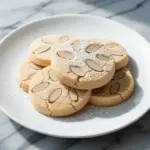
Sugar-Free Vanilla Almond Shortbread Cookies
- Total Time: 20 minutes
- Yield: 24 cookies 1x
Description
These sugar-free vanilla almond shortbread cookies are a keto-friendly, low-carb treat that mimics the rich, buttery texture of classic shortbread without the sugar. Made with simple ingredients like almond flour and erythritol, they are tender, melt-in-your-mouth, and perfect for satisfying sweet cravings.
Ingredients
- 2 cups (200g) blanched almond flour
- 1/2 cup (113g) unsalted butter, softened to room temperature
- 1/2 cup (60-70g) granulated erythritol or monk fruit sweetener
- 1 teaspoon vanilla extract
- 1/2 teaspoon almond extract (optional)
- 1/4 teaspoon salt
- 1–2 tablespoons heavy cream or milk (only if dough is too crumbly)
- 1/2 cup (60g) confectioners’ sweetener (for glaze)
- 1/2 teaspoon vanilla extract (for glaze)
- 1–2 teaspoons heavy cream or milk (for glaze)
Instructions
- Preheat oven to 350°F (175°C). Line a large baking sheet with parchment paper or a silicone mat.
- In a mixing bowl, cream the softened butter and granulated sweetener together using a fork or hand mixer until light and fluffy, about 2-3 minutes.
- Stir in the vanilla extract, almond extract (if using), and salt until just combined.
- Gradually add the almond flour, mixing gently until a dough forms. If the dough is too dry, add heavy cream or milk one teaspoon at a time. Do not overmix.
- Shape the dough into small balls (about 1 tablespoon each) and flatten slightly, or pipe using a piping bag. Place on the prepared baking sheet, leaving an inch of space between cookies.
- Bake for 10-12 minutes, watching closely to ensure edges are just barely golden but centers remain soft. Do not bake until hard.
- Let cookies sit on the baking sheet for 5 minutes, then transfer to a cooling rack to cool completely.
- Once cool, whisk together confectioners’ sweetener, vanilla extract, and heavy cream to make a glaze. Drizzle or dip the tops of the cookies and let set for 10-15 minutes.
Notes
Use blanched almond flour for a fine texture; almond meal will make cookies gritty. Ensure butter is softened but not melted. Almond flour browns quickly, so watch the oven closely. For best results, chill dough if kitchen is warm to prevent spreading. Store in an airtight container at room temperature for up to 5 days.
- Prep Time: 10 minutes
- Cook Time: 10-12 minutes
- Category: Dessert
- Cuisine: American
Nutrition
- Serving Size: 1 cookie
- Calories: 85
- Sodium: 15
- Fat: 7
- Saturated Fat: 3.5
- Carbohydrates: 3
- Fiber: 1
- Protein: 2
Keywords: keto, sugar-free, almond flour, shortbread, low-carb, gluten-free, dairy-free option, easy dessert, vanilla cookies