I used to think salmon was one of those “fancy dinner” things you order at a restaurant when you want to impress someone. You know the kind—the tiny fillet on a white plate, drowning in a sauce you can’t quite identify, costing more than my weekly grocery bill. I was wrong. So, so wrong.
Last month, I was exhausted. Between helping my middle schooler with a science project and trying to figure out what to cook for four hungry mouths, I was ready to just order takeout. I was staring at the delivery app, finger hovering over the “Place Order” button, when I remembered I had two salmon fillets in the freezer and a lemon in the crisper drawer that was starting to shrivel. I didn’t have the energy to chop a dozen vegetables or manage a complex side dish. I just wanted something hot, healthy, and relatively quick.
So I threw together a quick pan-seared salmon with a simple garlic lemon herb sauce. I expected it to be… okay. Maybe a little dry. But thirty minutes later, my family sat down, took one bite, and my husband actually said, “This is better than that place downtown.” And it is. It’s fresher. It’s cheaper. And honestly? It’s way less stressful than waiting for a driver to find our house.
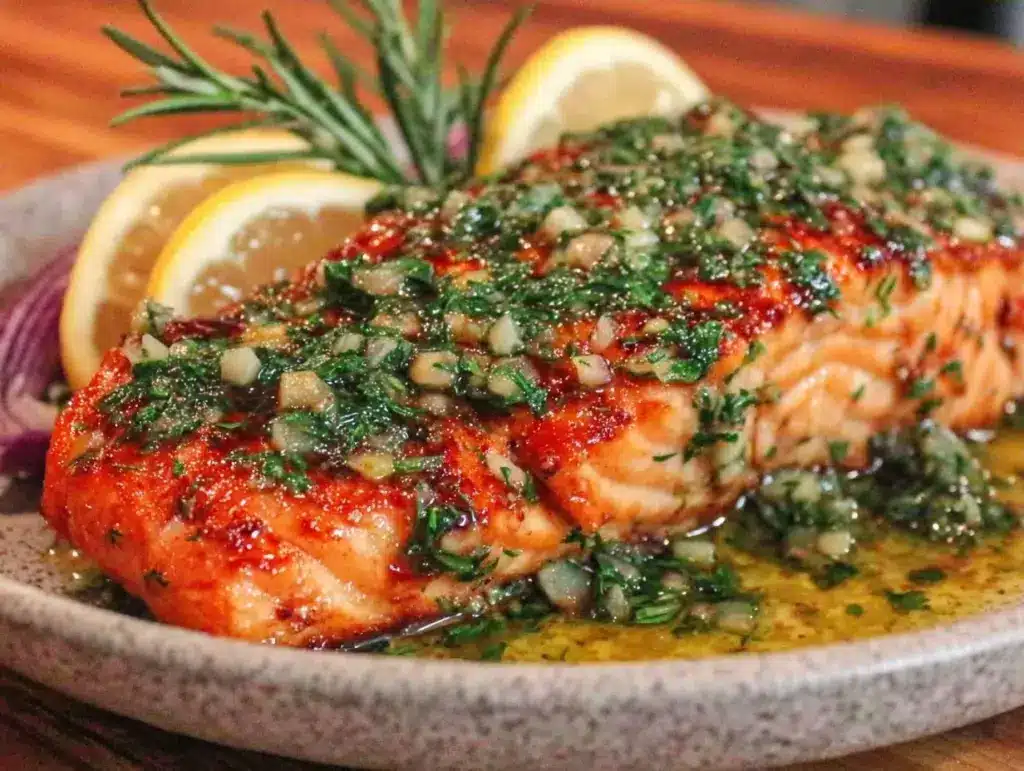
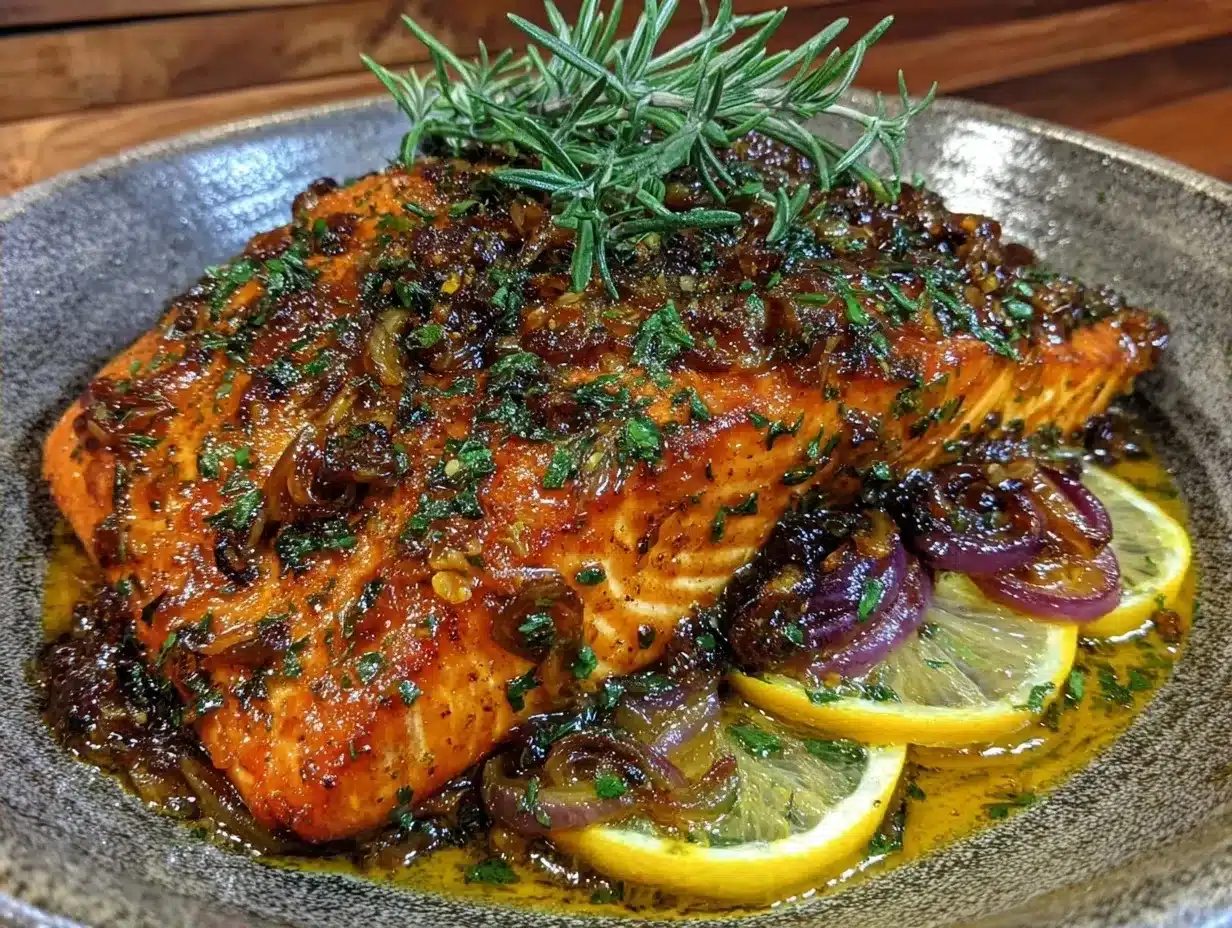
This Mediterranean salmon with garlic lemon herb sauce has become our go-to weeknight savior. It feels elegant enough for a date night but simple enough for a Tuesday when you’re running on three hours of sleep. The sauce is bright, zesty, and garlicky without being overwhelming. It coats the fish perfectly and makes even the pickiest eaters (yes, including my 10-year-old) ask for seconds.
I’ve tested this recipe at least a dozen times since that exhausted Tuesday. I’ve tweaked the herb ratios, played with the heat levels, and even tried making it in the air fryer (spoiler: the pan-sear is still king for this specific sauce). Now, I’m sharing the exact method that works every single time. It’s budget-friendly, uses ingredients you probably already have, and delivers restaurant-quality flavor without the restaurant price tag.
Why You’ll Love This Mediterranean Salmon with Garlic Lemon Herb Sauce
There are plenty of salmon recipes out there, but this one hits a different spot. It’s not just about the fish; it’s about that sauce. That bright, garlicky, lemony emulsion that ties everything together. Here’s why this has earned a permanent spot in our weekly rotation:
- Lightning Fast — Seriously, 20 minutes from start to finish. I’ve made this on nights when I walked in the door at 6:45 PM and we were eating by 7:15. If you can boil water, you can make this.
- Super Affordable — Salmon can be pricey, but you don’t need the most expensive cut for this. I buy the store brand or wait for sales, and it still tastes incredible. Plus, the sauce stretches the meal because it’s so flavorful, you don’t feel like you’re just eating plain fish.
- Kid-Approved — This is huge for me. My kids usually shy away from “fancy” food, but they love the tangy lemon sauce. It tastes like something special, not like “diet food.” I serve it with simple sides, and they clean their plates.
- Healthy Without Being Boring — It’s packed with omega-3s and protein, but it doesn’t taste like cardboard. The herbs and lemon make it vibrant and exciting. It feels like a treat, not a chore.
- One-Pan Cleanup — Okay, technically you’re using a skillet and maybe a small bowl for the sauce mix, but it’s minimal. I love that I don’t have a sink full of dishes afterward. This is a game-changer for busy weeknights.
This Mediterranean salmon with garlic lemon herb sauce is my answer to “what’s for dinner?” when I want something healthy but don’t want to spend an hour cooking. It’s reliable, delicious, and makes me look like a culinary genius without the stress.
Ingredients You’ll Need
Here’s the best part: you probably have most of this already. I’m not asking you to drive to three different specialty stores. This is practical, pantry-friendly cooking.
For the Salmon
Salmon fillets (4 fillets, about 6 oz each / 170g each) — I usually buy wild-caught sockeye or atlantic salmon, depending on what’s on sale. Don’t overthink the type; just make sure they’re about the same thickness so they cook evenly. If you buy a big family pack, you can freeze the extras immediately.
Olive oil (2 tablespoons / 30ml) — For searing. Use your standard extra virgin olive oil. It adds a nice fruity note that pairs well with the lemon.
Salt and black pepper — I use kosher salt because it’s easier to control. Generously season both sides. This is where most people mess up—under-salting the fish. Don’t do it.
Garlic powder (1 teaspoon) — Just a light dusting before searing. It helps build a crust.
For the Garlic Lemon Herb Sauce
Unsalted butter (3 tablespoons / 45g) — This gives the sauce that rich, velvety texture. If you’re dairy-free, you can use a high-quality plant-based butter, but the flavor is slightly different. I stick with dairy for this one.
Fresh garlic (4 cloves, minced / about 1 tablespoon) — Yes, fresh. No jarred garlic here. It makes a huge difference in the flavor profile. Minced fine so it doesn’t burn.
Fresh lemon juice (3 tablespoons / 45ml) — Squeeze it yourself. Bottled lemon juice has a metallic taste that ruins the sauce. If you’re in a pinch, you can use a bit of lemon zest and water, but fresh is best.
Lemon zest (1 teaspoon) — From one lemon. This adds that intense lemon aroma that juice alone doesn’t have. Use a microplane or a fine grater.
Fresh parsley (2 tablespoons, chopped) — Flat-leaf parsley is traditional. It adds a fresh, grassy note that cuts through the richness of the butter. Don’t use dried parsley; it tastes like dust.
Red pepper flakes (½ teaspoon, optional) — Just a pinch. It adds a tiny warmth that balances the lemon. If you’re sensitive to spice, skip it or use a quarter teaspoon.
White wine (2 tablespoons / 30ml, optional) — I use a dry white wine like Pinot Grigio or Sauvignon Blanc. It deglazes the pan and adds depth. If you don’t drink alcohol, substitute with chicken broth or extra lemon juice + water. It won’t be identical, but it still works.
Equipment Needed
You don’t need fancy gadgets for this. Here’s what I actually use in my kitchen:
Large skillet — I use a 12-inch stainless steel skillet. It holds the fish nicely and gives the sauce room to simmer. Non-stick works too, but you won’t get that nice fond (browned bits) in the pan, which adds flavor to the sauce.
Tongs — Essential for flipping the salmon without breaking the delicate flesh. My metal tongs are well-worn and perfect for the job.
Whisk — A small whisk helps emulsify the butter and lemon juice smoothly. If you don’t have one, a fork works in a pinch.
Microplane or grater — For the lemon zest. I have one from IKEA that’s cheap and does the job perfectly.
Small bowl — For mixing the sauce ingredients before adding them to the pan. Keeps things organized.
Paper towels — To pat the salmon dry before cooking. This is crucial for a good sear.
How to Make It: Step-by-Step
Alright, let’s make this! I’m walking you through exactly how I do it, including the little tricks I’ve picked up over the years.
Step 1: Prep the Salmon (5 minutes)
Take the salmon out of the fridge and let it sit for 10-15 minutes while you prep the rest. Cold fish hits the hot pan and cooks unevenly. Pat the fillets completely dry with paper towels. This sounds boring, but dry skin = crispy skin. Season both sides generously with salt, pepper, and a light dusting of garlic powder.
Step 2: Sear the Salmon (8-10 minutes)
Heat the olive oil in your large skillet over medium-high heat. Once the oil shimmers (not smoking), add the salmon fillets skin-side down (if skin-on) or presentation-side down. Press gently with a spatula for 10 seconds to prevent curling. Cook for 4-5 minutes without moving it. You’ll see the color change up the sides of the fish. Flip carefully and cook for another 3-5 minutes, depending on thickness. The fish is done when it flakes easily with a fork and reaches an internal temperature of 145°F (63°C). Remove to a plate and tent loosely with foil.
Step 3: Make the Sauce (3-4 minutes)
Reduce the heat to medium. In the same pan, add the butter. Let it melt and foam slightly. Add the minced garlic and cook for 30 seconds, stirring constantly. You want it fragrant, not brown. Browned garlic tastes bitter. Pour in the white wine (or broth) and lemon juice. Scrape up any browned bits from the bottom of the pan with a wooden spoon—this is pure flavor. Let it simmer for 1 minute to reduce slightly.
Step 4: Finish and Combine (2 minutes)
Remove the pan from the heat. Stir in the lemon zest and chopped parsley. The residual heat will wilt the herbs just enough. Taste the sauce. If it’s too tart, add a tiny pinch of sugar or a bit more butter. If it’s too rich, a splash more lemon juice. Spoon the sauce generously over the salmon fillets. Serve immediately.
Expert Tips & Tricks
Here’s everything I’ve learned from making this dozens of times. These tips will save you from my mistakes.
Don’t Overcook the Fish — Salmon continues to cook slightly after you take it off the heat. I pull it when it’s still slightly translucent in the very center. It will finish cooking on the plate. Overcooked salmon is dry and sad. Undercooked (but safe) salmon is moist and delicious.
Pat It Dry — I cannot stress this enough. Wet fish steams instead of sears. If you skip the paper towels, you won’t get that nice texture. It’s a small step that makes a big difference.
Use Fresh Herbs — Dried parsley just doesn’t cut it in this sauce. It needs that fresh, bright flavor to balance the lemon and butter. Buy a bunch, chop it, and freeze the extra stems for stock later. (Or just compost them—I won’t judge.)
Scrape the Pan — When you add the wine and lemon juice, take a minute to scrape the bottom of the pan. Those browned bits (fond) are where the flavor lives. Don’t leave them behind.
Room Temperature Ingredients — If your butter is rock hard from the fridge, it might not melt evenly into the sauce. Let it sit out for 10 minutes or cut it into small cubes before adding to the pan.
Variations & Substitutions
Once you’ve nailed the basic version, here’s how you can mix it up. I’ve tried all of these.
Dairy-Free Version — Swap the butter for olive oil or a plant-based butter alternative. Add a splash of extra lemon juice to compensate for the richness. It’s still delicious, just lighter.
Alcohol-Free — Replace the white wine with low-sodium chicken broth or vegetable broth. You’ll miss the complexity of the wine, but the sauce will still be tangy and tasty.
Herb Swap — If you’re not a parsley fan, try fresh dill or chives. Dill and lemon are a classic pairing that works beautifully with salmon. Chives add a mild oniony flavor that’s lovely.
Add Veggies — Toss in some asparagus or green beans to the pan during the last 3 minutes of cooking the salmon. Steam them in the sauce. It’s an easy way to add a side dish without extra effort. (I often pair this with my honey roasted carrots for a complete meal.)
Spice It Up — Add a pinch of cumin or coriander to the sauce for a more Mediterranean vibe. It adds warmth and depth.
Serving & Storage
How to serve this Mediterranean salmon with garlic lemon herb sauce:
I usually serve this with simple sides that let the fish shine. A bed of couscous or quinoa soaks up the extra sauce beautifully. Roasted potatoes or a simple green salad with lemon vinaigrette also work great. For a lighter meal, I just add steamed broccoli. It’s versatile.
Leftovers — Store leftovers in an airtight container in the fridge for up to 2 days. The sauce will thicken in the fridge, which is normal. Reheat gently in a skillet with a splash of water or broth to loosen the sauce. Avoid the microwave if you can—it can make the fish rubbery. If you must microwave, do it in 15-second bursts on low power.
Freezing — I don’t recommend freezing cooked salmon. The texture changes significantly. If you have raw fillets, freeze them properly in a vacuum-sealed bag for up to 3 months. Thaw in the fridge overnight before cooking.
Meal Prep Tip — This is great for meal prep, but I suggest cooking the salmon fresh each day if possible. If you must prep ahead, keep the salmon and sauce separate. Reheat the salmon gently and pour the warm sauce over it right before eating. This keeps the texture optimal.
Nutrition Information
I’m not a nutritionist, but here’s the breakdown if you’re tracking. This is per serving (based on 4 servings, with sauce).
- Calories: 320
- Protein: 34g
- Carbs: 2g
- Fat: 18g
- Saturated Fat: 6g
- Cholesterol: 95mg
- Sodium: 280mg
- Fiber: 0g
What’s Good: High in protein and omega-3s. Very low in carbs. Great for heart health.
What to Know: The fat content comes from the butter and the natural fats in the salmon. If you’re watching saturated fat, use less butter or opt for olive oil. The sodium is moderate, mostly from the seasoning. You can reduce salt if needed.
My Take: This is a healthy, balanced meal. It’s not “diet” food, but it’s nutrient-dense and satisfying. I love that it fuels my family without leaving them sluggish.
Final Thoughts
So that’s my go-to Mediterranean salmon with garlic lemon herb sauce! I’ve probably talked your ear off at this point, but when you make a recipe this often, you have a lot to say about it.
This has saved weeknight dinners more times than I can count. It’s my answer to “what’s for dinner” when I’m tired, don’t want takeout, and still want something that tastes really good. My kids are happy, my husband’s happy, and I’m happy because I’m not stressed about cooking.
Make it yours! Try different herbs, swap in your favorite veggies, adjust the lemon to your taste. The best recipes are the ones you adapt to your family’s tastes. If you make this, drop a comment and let me know what you think! I love hearing how recipes turn out in your kitchen. And if something doesn’t work, tell me that too—I’m here to help troubleshoot.
Happy cooking! And I hope your kitchen smells half as good as mine does right now.
Frequently Asked Questions
Can I use frozen salmon?
Yes, but you must thaw it completely first. Place it in the fridge overnight. If you’re in a hurry, you can thaw it in a bag of cold water. Pat it very dry before cooking. Frozen salmon can be wetter, so you might need to cook it a minute longer, but it still tastes great.
Why did my sauce break or separate?
This usually happens if the heat was too high when you added the butter. Butter separates if it gets too hot. Always add the butter off the heat or on very low heat, and whisk constantly. If it does separate, don’t panic. Whisk in a splash of cold water or ice cube—it can often be rescued.
Can I make this in the air fryer?
You can cook the salmon in the air fryer, but you won’t get the same sauce. The pan-sear creates that fond for the sauce. If you use the air fryer, cook the salmon at 400°F for 10-12 minutes. Then make the sauce in a small saucepan on the stove and pour it over. It’s still delicious, just a different method.
What kind of white wine should I use?
Use a dry white wine that you would drink. Pinot Grigio, Sauvignon Blanc, or Chardonnay work well. Don’t use “cooking wine” from the grocery store—it’s full of salt and preservatives. If you don’t drink wine, broth is a fine substitute.
How do I know when the salmon is done?
The easiest way is the flake test. Gently press the thickest part of the fillet with a fork. If it flakes easily and is opaque throughout, it’s done. If you have a meat thermometer, aim for 145°F (63°C). I prefer pulling it at 140°F (60°C) as it will carry over cook.
Can I double this recipe?
Absolutely! Double everything and use your biggest skillet. You might need to cook the salmon in two batches so you don’t overcrowd the pan. Overcrowding steams the fish instead of searing it. The sauce will make enough for two batches easily.
Is this gluten-free?
Yes, this recipe is naturally gluten-free. Just make sure your white wine or broth is certified gluten-free if you’re sensitive. The rest of the ingredients are all safe. I often serve this with crispy garlic parmesan smashed potatoes for a gluten-free side, just check the potato seasoning.
Pin This Recipe!
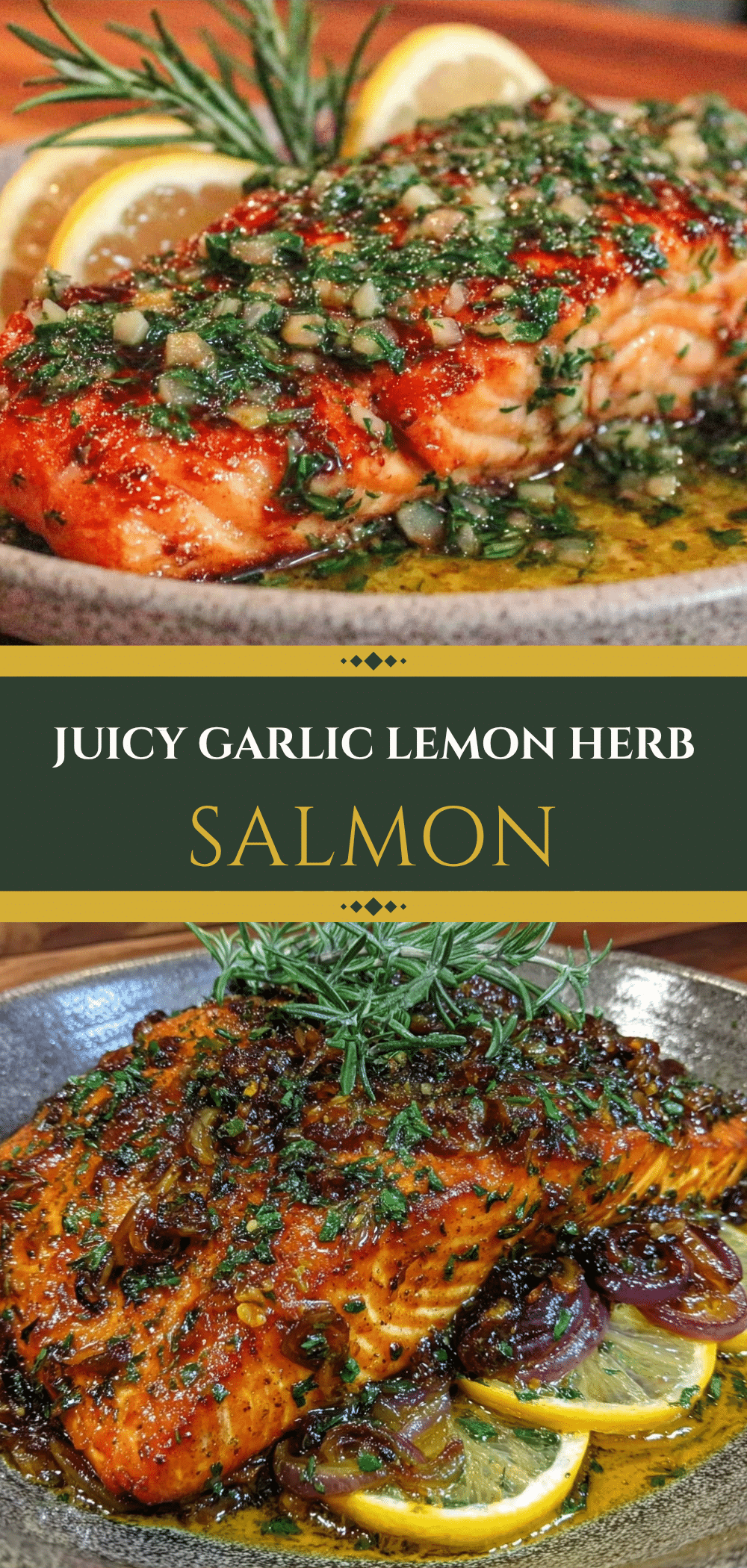
Mediterranean Salmon with Garlic Lemon Herb Sauce
- Total Time: 20 minutes
- Yield: 4 servings 1x
Description
A quick, healthy, and elegant weeknight dinner featuring pan-seared salmon fillets topped with a bright, garlicky lemon herb sauce. Ready in 20 minutes with minimal cleanup.
Ingredients
- 4 salmon fillets (about 6 oz / 170g each)
- 2 tablespoons extra virgin olive oil
- Kosher salt and black pepper, to taste
- 1 teaspoon garlic powder
- 3 tablespoons unsalted butter
- 4 cloves fresh garlic, minced
- 3 tablespoons fresh lemon juice
- 1 teaspoon lemon zest
- 2 tablespoons fresh parsley, chopped
- 1/2 teaspoon red pepper flakes (optional)
- 2 tablespoons dry white wine (e.g., Pinot Grigio or Sauvignon Blanc), optional
Instructions
- Pat salmon fillets dry with paper towels and let sit at room temperature for 10-15 minutes. Season both sides generously with salt, pepper, and garlic powder.
- Heat olive oil in a large skillet over medium-high heat until shimmering. Add salmon skin-side down (or presentation-side down). Press gently for 10 seconds to prevent curling.
- Cook salmon for 4-5 minutes without moving it. Flip carefully and cook for another 3-5 minutes until internal temperature reaches 145°F (63°C) and fish flakes easily. Remove to a plate and tent with foil.
- Reduce heat to medium. Add butter to the same pan and let it melt and foam. Add minced garlic and cook for 30 seconds until fragrant but not brown.
- Pour in white wine (or broth) and lemon juice. Scrape up browned bits from the bottom of the pan. Simmer for 1 minute to reduce slightly.
- Remove pan from heat. Stir in lemon zest and chopped parsley. Taste and adjust seasoning if needed.
- Spoon the sauce generously over the salmon fillets and serve immediately.
Notes
Do not overcook the fish; it continues to cook slightly after removal from heat. Patting the salmon dry is crucial for a good sear. If the sauce separates, whisk in a splash of cold water to rescue it. For dairy-free, swap butter for olive oil or plant-based butter. For alcohol-free, use chicken or vegetable broth.
- Prep Time: 5 minutes
- Cook Time: 15 minutes
- Category: Main Course
- Cuisine: Mediterranean
Nutrition
- Serving Size: 1 salmon fillet with
- Calories: 320
- Sodium: 280
- Fat: 18
- Saturated Fat: 6
- Carbohydrates: 2
- Protein: 34
Keywords: salmon recipe, garlic lemon sauce, weeknight dinner, healthy seafood, one-pan meal, quick dinner, gluten-free