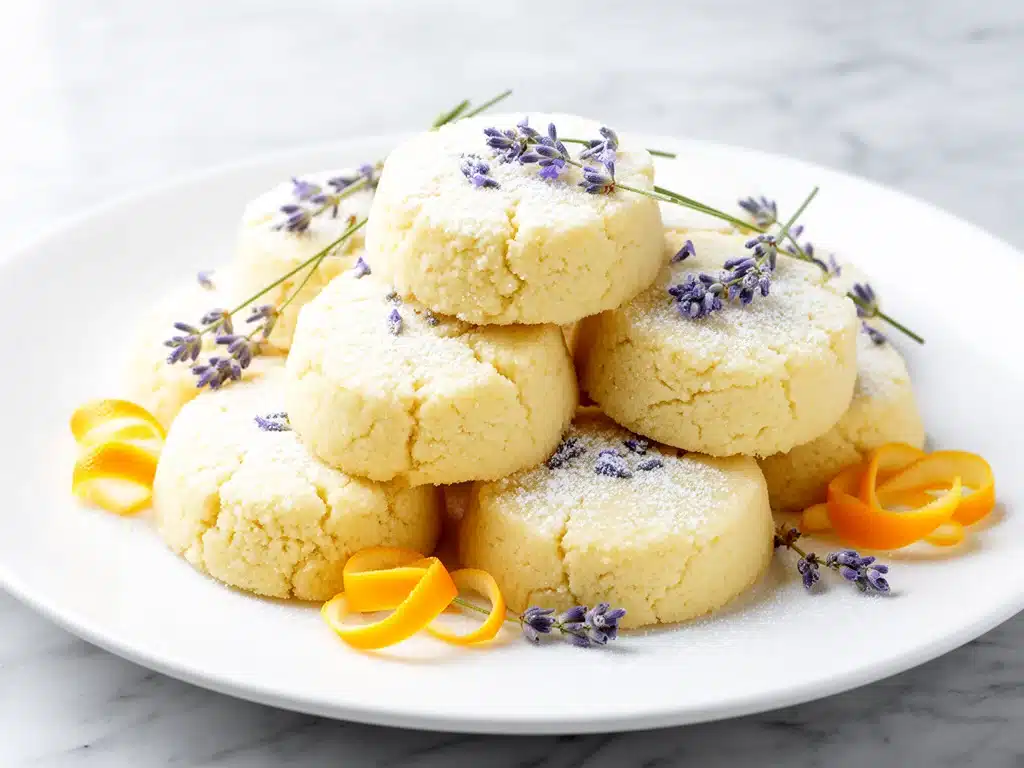
There is a specific kind of magic that happens when you combine bright citrus with floral herbs. It’s delicate, it’s sophisticated, and it somehow feels like summer in every single bite. I’ve been experimenting with shortbread recipes for years—trying to get that perfect crumb, that melt-in-your-mouth texture—but I wasn’t ready for the flavor explosion until last spring. I was at a local farmers market, staring at a bin of fresh lavender that looked too pretty to just throw into tea. Next to it, a vendor had lemons so yellow they practically glowed. I bought both on a whim, came home, and mixed them into my basic butter-sugar-flour shortbread dough. The result? I literally stopped mid-bite. My husband walked in, took one bite, and asked if I’d hired a pastry chef.
It wasn’t just good. It was transformative. These Lemon Lavender Shortbread Cookies have since become my go-to for everything from spring tea parties to last-minute gift-giving. They’re elegant enough to serve to a room full of food snobs, but simple enough that I can make them while answering emails. The best part? You don’t need fancy ingredients or complicated techniques. Just three main components, some patience, and maybe a little bit of extra love (and butter). I’ve tested this recipe more times than I’d like to admit, tweaking the lavender-to-lemon ratio until it hit that sweet spot where the floral notes don’t overpower the citrus, and the citrus doesn’t drown out the butter. What I landed on is pure perfection.
If you’ve ever felt intimidated by shortbread, thinking it requires precise tempering or expensive imported flours, let me save you some time. It doesn’t. This version is forgiving, reliable, and consistently delicious. I’ve made these for my book club, for my neighbor’s baby shower, and just because I wanted a quiet moment with a cup of Earl Grey. Every time, they disappear fast. So, if you’re looking for a recipe that feels fancy but is actually incredibly easy, you’re in the right place. Let’s talk about why this lemon lavender shortbread is about to become your new favorite baking project.
Why You’ll Love This 3-Ingredient Shortbread
Look, I get it. Baking can be stressful. You have to measure everything perfectly, preheat the oven, wait for it to cool, and then hope it doesn’t burn. This lemon lavender shortbread changes the game. It’s designed for real life. Here’s why I keep coming back to this recipe week after week:
Stupid Simple Ingredients — Seriously, if you have butter, sugar, and flour in your pantry, you are 80% of the way there. The lavender and lemon zest are the stars, but the base is basic. I don’t need to run to the store for obscure items. I just check my fridge. This simplicity means I can bake on a Tuesday night without a second thought.
No Chill Time Required (Mostly) — Some shortbread recipes demand you chill the dough for hours, which is fine if you planned ahead. But this one? You can bake it almost immediately after mixing. I’ve made these in under 30 minutes from start to finish when I had a sudden craving. Sure, chilling helps firm up the dough for cutting, but if you’re in a rush, you can scoop and bake. It’s that flexible.
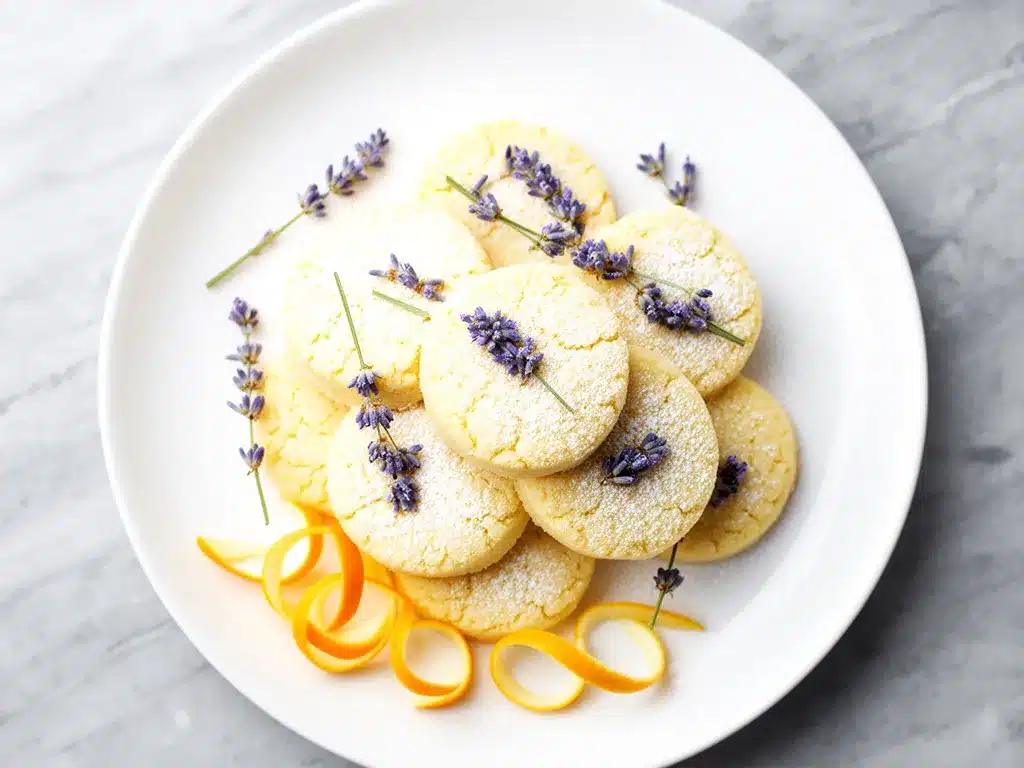
Gift-Ready Elegance — These cookies look like they came from a high-end boutique bakery. The pale yellow hue with flecks of purple lavender and a dusting of powdered sugar? It’s gorgeous. I’ve wrapped them in cellophane with a ribbon and handed them out as housewarming gifts, and people always ask where I bought them. Making them from scratch feels like a secret superpower.
Perfect with Tea or Coffee — Shortbread is traditionally a tea biscuit, and these lemon lavender ones are no exception. The buttery richness cuts through the bitterness of black tea, while the lemon and lavender brighten up morning coffee. I eat them plain, but they’re also amazing dipped in hot chocolate. They’re versatile enough for any occasion.
Makes Amazing Leftovers — Okay, they’re cookies. They don’t usually last long. But if they do, they stay soft and chewy for days if stored in an airtight container. In fact, the flavors meld together nicely after a day, making the lavender taste even more integrated. I deliberately make a double batch just so I have snacks for the week.
This recipe has saved me from buying overpriced, dry cookies at the grocery store. It’s my answer to “I want something sweet, but not too heavy.” It’s light, fragrant, and comforting all at once. No complicated techniques, no weird ingredients, just reliable, delicious food that makes everyone happy.
Ingredients You’ll Need
Here’s the best part: you probably have most of this already. This lemon lavender shortbread relies on quality over quantity. Because there are so few ingredients, each one shines. I’m particular about a couple of specifics here, and I’ll tell you exactly why they matter.
Unsalted Butter (1 cup / 226g, softened) — This is the foundation. Use real butter, not margarine. Not even “buttery spread.” High-quality European-style butter with a higher fat content is amazing if you have it, but standard unsalted butter works perfectly. Soften it to room temperature. Cold butter won’t cream properly with the sugar, and that affects the texture. I take mine out of the fridge about an hour before I start baking. If I’m in a rush, I microwave it in 5-second bursts until it’s soft but not melted.
Granulated Sugar (½ cup / 100g) — Standard white sugar is perfect here. It doesn’t melt as much as brown sugar, which keeps the cookies light and tender rather than chewy. If you want a slightly deeper flavor, you can swap 2 tablespoons for light brown sugar, but pure white sugar gives that classic shortbread crumb. I use regular granulated sugar from my pantry.
All-Purpose Flour (2 cups / 250g) — Don’t go hunting for pastry flour unless you have it. All-purpose is what I use, and it gives the perfect balance of structure and tenderness. Measure it correctly! Scoop and level, or better yet, weigh it. Too much flour makes these dry and crumbly. I want them to melt in my mouth, not disintegrate. I always use Gold Medal flour because it’s consistent.
Lavender (2 tablespoons / 4g dried culinary lavender) — This is where the magic happens. Use culinary-grade dried lavender. Regular craft lavender from the flower shop might have pesticides or a different flavor profile. I buy mine from a local herb store or online. If you can’t find dried lavender, you can use fresh, but use 3-4 times the amount because fresh is less potent. Also, consider crushing the buds slightly before adding them to release the oils.
Lemon Zest (1 large lemon / about 2 teaspoons zest) — Use organic lemons if you can, since we’re eating the peel. The zest contains all the essential oils. Just the yellow part! The white pith is bitter. I use a microplane for fine, even zest that distributes throughout the dough. If you don’t have a microplane, a regular grater works, but chop the zest finely with a knife afterward.
Salt (¼ teaspoon / fine sea salt) — Salt is non-negotiable. It balances the sweetness and makes the lemon and lavender flavors pop. I use fine sea salt because it dissolves evenly. If you use kosher salt, you might need a bit more, so taste your dough (yes, it’s safe to eat raw dough with no eggs) to check.
Powdered Sugar (for dusting, optional) — This is for presentation. It makes the cookies look snowy and elegant. I keep a sifter handy for this. If you don’t have powdered sugar, you can skip it, but it really elevates the look.
Optional Add-ins: I’ve experimented with adding 2 tablespoons of white chocolate chips. They add a sweet creaminess that pairs well with the lavender. If you’re a fan of white chocolate, give it a try. But honestly, the classic version is so good, I rarely add anything else.
Equipment Needed
You don’t need fancy equipment for this. Here’s what I actually use. Most of this is stuff you already have in your kitchen drawer.
Mixing Bowls — I use a large bowl for the dry ingredients and a medium bowl for creaming the butter and sugar. Two bowls keep things organized. I prefer glass bowls because I can see the consistency of the dough easily.
Electric Mixer or Wooden Spoon — An electric hand mixer or stand mixer makes creaming the butter and sugar much easier and faster. It takes about 2-3 minutes to get it light and fluffy. If you’re mixing by hand, you’ll need to arm yourself for about 5 minutes of vigorous stirring. It’s good exercise, but the mixer gives a better result.
Microplane or Zester — For the lemon zest. A microplane gives you the finest zest, which integrates best into the dough. A box grater works too, but you’ll need to chop the zest finely afterward to avoid big chunks of lemon peel.
Baking Sheets — Standard 13×18 inch baking sheets. I use two sheets so I can bake in batches. Dark non-stick sheets work, but I prefer light-colored aluminum sheets because they prevent the bottoms from burning. If you use dark sheets, lower the oven temperature by 25 degrees.
Parchment Paper — Always line your baking sheets with parchment. It prevents sticking and makes cleanup a breeze. I don’t grease the parchment; the butter in the dough is enough. This ensures the cookies keep their shape.
Cooling Rack — Essential. Shortbread is delicate when hot. Letting them cool on the pan for 5 minutes, then transferring to a rack, prevents them from breaking. I have a wire rack that sits right on my counter for easy access.
Sifter or Small Sieve — For dusting the powdered sugar at the end. A small sieve gives you a fine, even dusting. A large flour sifter is overkill for just a couple of tablespoons of sugar.
Optional but nice: A cookie scoop. It ensures all your cookies are the same size, which means they bake evenly. I use a 1.5 tablespoon scoop for uniformity. If you don’t have one, use two spoons to drop mounds of dough.
How to Make It: Step-by-Step
Alright, let’s make this! I’m walking you through exactly how I do it, including the little tricks I’ve picked up over the years. This process is straightforward, but attention to detail makes the difference between good and great.
Step 1: Prep Your Ingredients (5 minutes)
Before you start, make sure your butter is softened. It should be cool to the touch but leave an indent when you press it. If it’s melted, your cookies will spread too much. Zest your lemon now, while it’s fresh and easy to grate. Measure out your dried lavender. If the buds are large, crush them slightly in a mortar and pestle or with the back of a spoon to release their aroma. Preheat your oven to 350°F (175°C) and line your baking sheets with parchment paper.
Step 2: Cream the Butter and Sugar (2-3 minutes)
In a large mixing bowl, add the softened butter and granulated sugar. Using an electric mixer on medium-high speed, beat them together until the mixture is light, fluffy, and pale yellow. This step is crucial. It incorporates air into the dough, which helps the cookies rise slightly and become tender. If mixing by hand, stir vigorously until it looks creamy. Scrape down the sides of the bowl with a spatula to ensure everything is evenly mixed.
Step 3: Add Lemon Zest and Lavender (1 minute)
Add the lemon zest and dried lavender to the butter mixture. Mix on low speed just until combined. Be careful not to overmix at this stage. You want the zest and lavender distributed evenly, but you don’t want to start breaking down the gluten in the flour yet. The mixture should smell incredible at this point—bright and floral.
Step 4: Incorporate the Flour and Salt (2 minutes)
In a separate small bowl, whisk together the flour and salt. Gradually add the dry ingredients to the wet mixture, mixing on low speed or stirring by hand. Stop as soon as the flour disappears. Overmixing develops gluten, which makes shortbread tough instead of tender. The dough will be soft and slightly sticky. If it seems too wet, add a tablespoon more flour. If it’s too dry, add a teaspoon of milk or cream.
Step 5: Shape the Cookies (5 minutes)
There are two ways to shape these. For cut-out cookies, chill the dough for 30 minutes, then roll it out on a floured surface to about ¼ inch thickness. Cut into shapes using cookie cutters. For drop cookies, scoop tablespoon-sized balls of dough and roll them into smooth balls. Place them on the prepared baking sheets, spacing them about 2 inches apart. They will spread slightly. If you’re doing cut-outs, prick the tops with a fork to prevent puffing.
Step 6: Bake (12-15 minutes)
Place the baking sheets in the preheated oven. Bake for 12-15 minutes, depending on the size of your cookies. You want the edges to be just barely golden, but the centers should still look pale. Shortbread continues to cook on the hot pan after you take it out, so underbaking slightly is better than overbaking. The cookies should smell fragrant and buttery.
Step 7: Cool and Dust (10 minutes)
Let the cookies cool on the baking sheet for 5 minutes. They are very fragile when hot. Then, transfer them to a wire rack to cool completely. Once cool, sift a light layer of powdered sugar over the tops. This is optional but adds that beautiful snowy finish. Store in an airtight container at room temperature.
Total Time: About 45 minutes (10 minutes prep, 15 minutes bake, 20 minutes cool)
Expert Tips & Tricks
Here’s everything I’ve learned from making this dozens of times. These tips will save you from my mistakes and ensure your cookies turn out perfect every time.
Butter Temperature is Key
This is the #1 mistake people make. If your butter is too cold, the sugar won’t cream properly, and the cookies will be dense. If it’s too warm, they’ll spread into flat discs. Aim for “room temperature” but not “melty.” It should be pliable. I often cut my butter into cubes and let it sit on the counter for 30 minutes. If I’m in a hurry, I microwave it in 5-second intervals, checking frequently.
Don’t Overmix the Flour
Once you add the flour, mix until it just comes together. Overmixing creates gluten, which leads to tough cookies. I use a spatula to fold the flour in by hand to be gentle. The dough should look shaggy and come together when pressed.
Use Culinary Lavender
Not all lavender is created equal. Craft lavender from the flower shop might be treated with pesticides or have a strong, soapy flavor. Look for “culinary grade” lavender online or at a spice shop. English lavender (Lavandula angustifolia) is the best variety for baking—it’s sweet and floral. Avoid French or Spanish lavender, which can be too pungent.
Zest Before You Juice
If you’re using the lemon for anything else, zest it first. It’s much easier to zest a whole lemon than a squeezed half. Also, make sure the lemon is at room temperature. Cold lemons are harder to zest and yield less juice. Roll the lemon on the counter before cutting to soften it up.
Chill for Cleaner Cuts
If you’re making cut-out cookies, chilling the dough is essential. It firms up the butter, so the shapes hold their detail during baking. I chill mine for at least 30 minutes, or overnight. If the dough gets too soft while you’re working, pop it back in the fridge for 10 minutes.
Common Mistakes (and how to avoid them):
Mistake: Cookies spread too much. Fix: Your butter was too warm, or your oven wasn’t preheated enough. Make sure your butter is softened, not melted, and preheat the oven for a full 10 minutes before baking.
Mistake: Cookies are dry and crumbly. Fix: You used too much flour. Measure by weight if possible, or use the scoop-and-level method. Also, don’t overbake. They should look pale when you take them out.
Mistake: Lavender tastes soapy. Fix: You used too much or the wrong type. Stick to 2 tablespoons of culinary lavender. If it’s too strong, reduce to 1 tablespoon next time.
Variations & Substitutions
Once you’ve nailed the basic version, here’s how you can mix it up. I’ve tried all of these, and they’re all delicious.
Lemon Poppy Seed
Swap the lavender for 1 tablespoon of poppy seeds. The seeds add a nice crunch and visual appeal. This is a classic combination and very crowd-pleasing.
Vanilla Bean
Replace the lavender with the seeds of one vanilla bean. The vanilla complements the lemon beautifully and adds a warm, aromatic depth. This is my go-to when I want something more traditional.
Chocolate Drizzle
Melt ½ cup of white chocolate chips and drizzle them over the cooled cookies. The sweetness of the white chocolate pairs perfectly with the tart lemon. This makes them look even more fancy.
Gluten-Free
Use a 1:1 gluten-free flour blend. I’ve tested this with Bob’s Red Mill and Cup4Cup, and both work well. You might need to add a teaspoon of xanthan gum if your blend doesn’t include it, to help with texture.
Vegan
Replace the butter with vegan butter sticks (like Miyoko’s or Earth Balance). Use coconut sugar instead of granulated sugar if you want a dairy-free option, though the flavor will be slightly different. The result is still a delicious, tender cookie.
Double Lemon
Add 1 tablespoon of lemon juice to the dough along with the zest. This intensifies the lemon flavor. I like this version when the lemons are particularly tart.
Serving & Storage
How to Serve:
I usually serve these with a cup of hot tea or coffee. They’re perfect for afternoon snacks or as a light dessert after a meal. I also love serving them at brunch, alongside eggs and fruit. They pair beautifully with the watermelon mint agua fresca for a refreshing summer spread.
Toppings Bar:
For parties, I set out a small bowl of powdered sugar and let guests dust their own cookies. I also offer a small dish of lemon curd for dipping. It’s a fun interactive element.
Storage Instructions:
Refrigerator: Store in an airtight container at room temperature for up to 1 week. The humidity can make them soft, so keep them in a cool, dry place. If your kitchen is humid, store them in the fridge, but let them come to room temperature before serving for the best texture.
Freezing: These freeze beautifully! Bake the cookies and let them cool completely. Place them in a freezer-safe container with parchment paper between layers. They’ll keep for up to 3 months. Thaw at room temperature before serving. You can also freeze the dough balls before baking. Just add 1-2 minutes to the bake time if baking from frozen.
Reheating: Shortbread is best eaten at room temperature. If you want them warm, you can microwave them for 10 seconds. But honestly, they’re best fresh.
Nutrition Information
I’m not a nutritionist, but here’s the breakdown if you’re tracking. Keep in mind that these are treats, so enjoy them in moderation.
Per Serving (1 cookie, based on 24 cookies):
- Calories: 110
- Protein: 1g
- Carbs: 12g
- Fiber: 0g
- Sugar: 5g
- Fat: 6g
- Saturated Fat: 4g
- Cholesterol: 15mg
- Sodium: 50mg
What’s Good:
- Low in sugar compared to many cookies
- No artificial ingredients
- Simple, recognizable ingredients
What to Know:
- Higher in fat from the butter
- Contains gluten and dairy
- Small serving size due to richness
My Take:
Look, this is butter and sugar. It’s not a health food. But it’s way better than store-bought cookies full of preservatives, and it’s easier to control the ingredients. When I make these, I know exactly what’s going in. I enjoy one or two with my tea and feel satisfied without being weighed down.
Final Thoughts
So that’s my Lemon Lavender Shortbread Cookies! I’ve probably talked your ear off at this point, but when you make a recipe this often, you have a lot to say about it. These cookies have saved me from buying overpriced, dry cookies at the grocery store. They’re my answer to “I want something sweet, but not too heavy.” They’re light, fragrant, and comforting all at once. No complicated techniques, no weird ingredients, just reliable, delicious food that makes everyone happy.
This recipe has become a staple in my kitchen. I make them for spring gatherings, for quiet afternoons, and for gift-giving. They’re versatile enough to fit any occasion, and the flavor combination is unique enough to stand out. My kids love them, my friends request them, and I just love making them. It’s that simple joy of baking something beautiful from scratch.
Make it yours! Try different citrus zest like orange or grapefruit, swap the lavender for rosemary, or add chocolate chips. The best recipes are the ones you adapt to your family’s tastes. If you make this, drop a comment and let me know what you think! I love hearing how recipes turn out in your kitchen. And if something doesn’t work, tell me that too—I’m here to help troubleshoot.
Happy baking! And I hope your kitchen smells half as good as mine does right now.
Frequently Asked Questions
Can I use fresh lavender instead of dried?
Yes, you can! Fresh lavender is more potent, so use about 3-4 times the amount of dried lavender. That means 6-8 tablespoons of fresh lavender buds. Also, fresh lavender has more moisture, so you might need to reduce the liquid in the recipe slightly if you add any, though this recipe doesn’t have liquid. Just be careful not to overdo it, as fresh lavender can be very strong.
Why did my cookies spread too much?
This usually happens if the butter was too warm or if the oven wasn’t preheated enough. Make sure your butter is softened but not melted. Also, preheat your oven for a full 10 minutes before baking. If the dough is too soft, chill it in the fridge for 15 minutes before baking.
Can I make this recipe gluten-free?
Absolutely! Use a 1:1 gluten-free flour blend. I’ve tested this with Bob’s Red Mill and Cup4Cup, and both work well. You might need to add a teaspoon of xanthan gum if your blend doesn’t include it, to help with texture. The result will be just as tender and delicious.
How do I store these cookies?
Store them in an airtight container at room temperature for up to 1 week. If your kitchen is humid, store them in the fridge, but let them come to room temperature before serving. They also freeze well for up to 3 months. Place parchment paper between layers to prevent sticking.
Can I double this recipe?
Yes, you can double everything and bake in two batches. Just make sure you have enough baking sheets and that your oven has enough space for air circulation. The cooking time stays the same. I do this when I’m making gifts for friends.
What if I don’t have a microplane?
You can use a regular box grater to zest the lemon. Just chop the zest finely with a knife afterward to avoid big chunks. A microplane gives you the finest zest, which integrates best into the dough, but a box grater works in a pinch.
Pin This Recipe!


Lemon Lavender Shortbread Cookies: 3-Ingredient Easy Recipe
- Total Time: 45 minutes
- Yield: 24 cookies 1x
Description
These elegant Lemon Lavender Shortbread Cookies combine bright citrus with floral herbs for a sophisticated yet simple treat. Made with just a few pantry staples, they offer a melt-in-your-mouth texture perfect for tea parties or gifting.
Ingredients
- 1 cup (226g) unsalted butter, softened
- ½ cup (100g) granulated sugar
- 2 cups (250g) all-purpose flour
- 2 tablespoons (4g) dried culinary lavender
- 1 large lemon (about 2 teaspoons zest)
- ¼ teaspoon fine sea salt
- Powdered sugar, for dusting (optional)
- 2 tablespoons white chocolate chips (optional)
Instructions
- Preheat oven to 350°F (175°C) and line baking sheets with parchment paper.
- In a large mixing bowl, cream the softened butter and granulated sugar using an electric mixer on medium-high speed until light, fluffy, and pale yellow (2-3 minutes).
- Add the lemon zest and dried lavender to the butter mixture. Mix on low speed just until combined.
- In a separate small bowl, whisk together the flour and salt. Gradually add the dry ingredients to the wet mixture, mixing on low speed or stirring by hand until just combined. Do not overmix.
- Shape the cookies: For cut-out cookies, chill dough for 30 minutes, roll to ¼ inch thickness, and cut into shapes. For drop cookies, scoop tablespoon-sized balls and place on baking sheets 2 inches apart.
- Bake for 12-15 minutes until edges are barely golden but centers look pale.
- Let cookies cool on the baking sheet for 5 minutes, then transfer to a wire rack to cool completely.
- Once cool, sift a light layer of powdered sugar over the tops if desired.
Notes
Ensure butter is softened but not melted to prevent spreading. Use culinary-grade lavender to avoid soapy flavors. Do not overmix the flour to keep cookies tender. Cookies can be frozen for up to 3 months.
- Prep Time: 10 minutes
- Cook Time: 15 minutes
- Category: Dessert
- Cuisine: American
Nutrition
- Serving Size: 1 cookie
- Calories: 110
- Sugar: 5
- Sodium: 50
- Fat: 6
- Saturated Fat: 4
- Carbohydrates: 12
- Protein: 1
Keywords: lemon lavender shortbread, 3 ingredient cookies, easy shortbread recipe, lavender cookies, lemon cookies, tea time snacks, gluten-free option