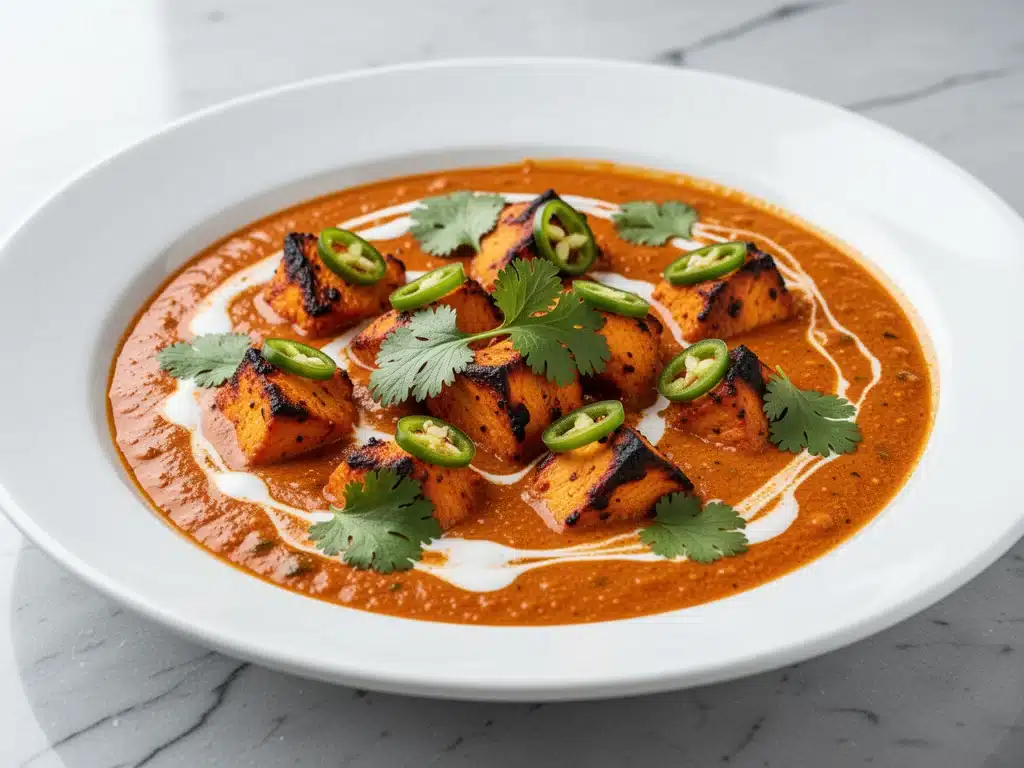
I have a confession to make. For years, I was the person who ordered takeout every Thursday night. You know the drill. You’re exhausted, your brain is mush, and the idea of chopping vegetables sounds like a punishment. So, I’d scroll through the Indian restaurant menu, add the Chicken Tikka Masala to my cart, and wait for the greasy bag to arrive at my door. It was convenient, sure, but it was also expensive, and honestly? It never tasted as good as I remembered from that one time five years ago.
Last month, I finally snapped. I was staring at a half-empty fridge, feeling that familiar weeknight dread, and I decided to stop running from the stove. I pulled up a recipe for Chicken Tikka Masala, convinced it would be another disaster. I was wrong. In fact, it was so good that my husband actually asked me to make it again the next day. And the day after that. Now, this creamy, spiced, tomato-based chicken dish has completely replaced my takeout habit.
The best part? This Chicken Tikka Masala doesn’t require marinating chicken overnight or roasting skewers in a broiler for an hour. It’s a one-pot wonder that comes together in about 30 minutes. It’s the kind of dinner that makes your house smell like a five-star restaurant, but uses ingredients you can grab at any grocery store. If you’ve been intimidated by Indian cooking, or if you’re just looking for a Chicken Tikka Masala that actually fits into a busy weeknight schedule, you’re going to love this version. It’s rich, it’s flavorful, and it’s surprisingly simple.
Why You’ll Love This Chicken Tikka Masala Recipe
There are a dozen reasons this has become my go-to weeknight dinner, but here’s the deal on why it works so well for real life.
Stupid Simple — Seriously, if you can brown chicken and stir a pot, you can make this. I’ve walked my teenage son through it over FaceTime while I was at work. There’s no complex technique here, just layering flavors.
Lightning Fast — Most Indian recipes involve hours of prep. This one? 30 minutes from start to finish. That’s less time than it takes to drive to the restaurant, order, and wait for delivery. I make this on the nights I’m most stressed, like Tuesdays after soccer practice.
One-Pot Cleanup — This is the biggest selling point for me. Everything cooks in one large skillet or Dutch oven. I don’t have to wash a dozen bowls, a cutting board, and a baking sheet. Just one pot. One spoon. Life-changing.
Crowd-Pleaser — I’ve served this to my picky eater nephew, my spice-tolerant friends, and my husband’s colleagues. Everyone loves it. The sauce is mild enough for kids but flavorful enough for adults. It’s the perfect middle ground.
Makes Amazing Leftovers — This tastes even better the next day. The flavors meld together overnight, making the sauce deeper and richer. I deliberately make extra for lunch on Wednesday. It reheats beautifully and is way better than the sad leftovers from takeout.
Budget-Smart — Feeds 4-6 people for under $20. That’s less than one dinner for two at a mid-range restaurant, and you get leftovers for three more meals. It’s a win-win.
This is my answer to “what’s for dinner” when I have zero energy but still want to feed my family something that feels special. No complicated techniques, no weird ingredients you can’t find, just reliable, delicious food that makes everyone happy.
Ingredients You’ll Need
Here’s the best part: you probably have most of this already. This isn’t a recipe that requires a trip to a specialty spice shop. I’m particular about three things here, and I’ll tell you exactly why.
Chicken Thighs (2 pounds / 900g) — I always use boneless, skinless chicken thighs. They stay juicy and don’t dry out like breast meat does when you’re rushing. If you must use chicken breast, cut it into smaller pieces and don’t overcook it. Thighs are forgiving.
Onion (1 large, finely diced / about 300g) — Yellow onion is standard, but sweet onion works too. You want it to melt into the sauce, so dice it small. I learned the hard way that big chunks of onion don’t integrate well into this creamy texture.
Garlic (6 cloves, minced / about 2 tablespoons) — Yes, six cloves. Don’t skimp. Fresh garlic is non-negotiable here. Jarred garlic has a metallic taste that clashes with the spices. If you’re lazy, buy pre-peeled cloves, but mince them yourself.
Ginger (1 tablespoon, fresh grated / or 1 teaspoon ground) — Fresh is better. Grate it on a microplane. It adds that bright, zesty kick that defines tikka masala. If you don’t have fresh, use ground ginger, but the flavor will be slightly different.
Tomato Sauce (1 can (14 oz / 400g) crushed tomatoes) — Use good quality crushed tomatoes. No need for fancy brand, but avoid the ones with added sugar. The base of this sauce is tomatoes, so taste matters.
Tomato Paste (2 tablespoons) — This adds depth and richness. It’s not just for flavor; it helps thicken the sauce naturally. Don’t skip this step.
Chicken Broth (½ cup / 120ml) — I use low-sodium broth so I can control the saltiness. Vegetable broth works too for a vegetarian version (just swap the chicken for chickpeas or tofu).
Heavy Cream (½ cup / 120ml) — Full-fat only. Half-and-half makes it too thin. Trust me on this. The cream balances the acidity of the tomatoes and the heat of the spices. It’s what makes it “masala.”
Garam Masala (2 teaspoons) — This is the star spice blend. It usually contains cardamom, cinnamon, cloves, and cumin. I use McCormick or a local brand. If you don’t have garam masala, you can mix cumin, coriander, and a pinch of cinnamon, but it won’t be the same.
Cumin (1 teaspoon ground) — Earthy and warm. Complements the garam masala perfectly.
Coriander (1 teaspoon ground) — Citrusy and nutty. Adds complexity.
Chili Powder (1 teaspoon) — Not cayenne, but regular chili powder. Adjust to taste. If you like it spicy, add a pinch of cayenne.
Salt (1 teaspoon, or to taste) — Taste as you go. The broth and cream add salt, so start conservative.
Butter (2 tablespoons) — For sautéing. Adds richness. You can use oil, but butter tastes better here.
Fresh Cilantro (¼ cup, chopped) — For garnish. It adds a fresh, herbal note that cuts through the richness. Don’t skip it.
Optional Add-ins:
Spinach (2 cups fresh) — Toss it in at the end for extra greens. It wilts instantly.
Red Bell Pepper (1, diced) — Adds sweetness and color. I roast it first for more flavor, but raw works too.
Plain Yogurt (2 tablespoons) — Whisked into the chicken before cooking. Adds tang and tenderizes the meat. I do this when I have time.
Equipment Needed
You don’t need fancy equipment for this. Here’s what I actually use.
Large Skillet or Dutch Oven — I use a 12-inch cast iron skillet. It needs to fit the chicken and sauce comfortably. My ancient pot from college still works fine. A Dutch oven is great if you want to keep it in the oven later, but a skillet is easier for weeknights.
Wooden Spoon — For stirring. Silicone works too. Don’t use metal on non-stick.
Sharp Knife — For chopping onions and garlic. Dull knives make you cry more—learned this the hard way.
Cutting Board — Any size works. I use plastic for easier cleanup.
Measuring Spoons — Pretty standard stuff. Dollar store versions work fine.
Microplane or Grater — For the ginger. Or just mince it finely if you’re in a rush.
Can Opener — Obvious, but I’ve forgotten this before. Don’t be me.
Optional but nice:
Pesto or Spice Grinder — Not needed, but if you want to toast your spices, a small pan works.
Immersion Blender — If you want a super smooth sauce, blend it briefly. I usually leave it chunky.
How to Make It: Step-by-Step
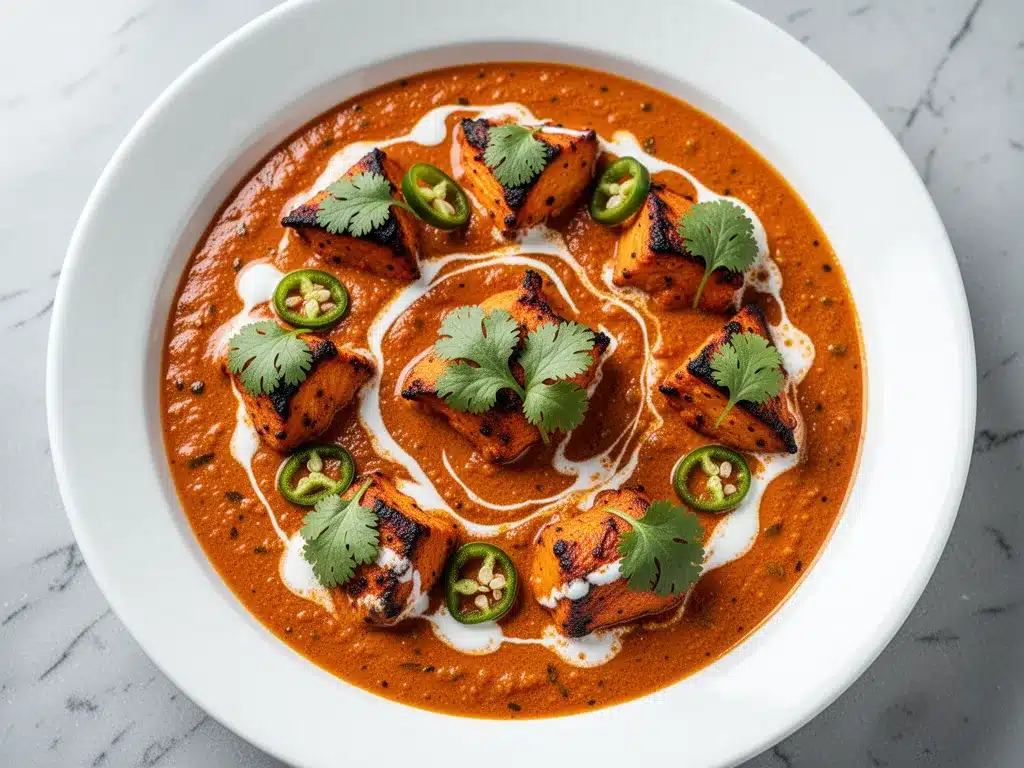
Alright, let’s make this! I’m walking you through exactly how I do it, including the little tricks I’ve picked up.
Step 1: Prep Your Ingredients (5 minutes)
Before you start cooking, dice your onion, mince your garlic, and grate your ginger. Measure out all your spices into a small bowl. I know it seems fussy, but it makes the actual cooking way less stressful. Once you start cooking, things move fast. Grate your ginger while you’re at it.
Step 2: Cook the Chicken (5-7 minutes)
Heat butter in your large skillet over medium-high heat. Add the chicken thighs (cut into bite-sized pieces if they’re large). Season with a pinch of salt. Cook for 3-4 minutes per side until browned. You don’t need to cook it through yet. Just get that nice sear. Remove the chicken from the pan and set aside on a plate. Don’t wash the pan—those brown bits are flavor gold.
Step 3: Sauté the Aromatics (3-4 minutes)
Reduce heat to medium. Add the diced onion to the same pan. Cook for 3-4 minutes until soft and translucent. Add the garlic and ginger. Cook for 1 minute, stirring constantly. The garlic should smell amazing but not brown—browned garlic tastes bitter. This is where the foundation of the sauce is built.
Step 4: Bloom the Spices (1 minute)
Add the garam masala, cumin, coriander, and chili powder. Stir constantly for 30-60 seconds. This “blooms” the spices, releasing their essential oils and making the flavor much more potent. It’s a small step that makes a huge difference. The kitchen will start to smell incredible.
Step 5: Build the Sauce (5 minutes)
Stir in the tomato paste. Cook for 1 minute to deepen its flavor. Then add the crushed tomatoes and chicken broth. Stir well to scrape up any browned bits from the bottom of the pan. Let it simmer for 3-4 minutes until the sauce thickens slightly. It should look glossy and rich.
Step 6: Combine and Simmer (5-7 minutes)
Return the chicken and any juices to the pan. Stir to coat the chicken in the sauce. Reduce heat to low. Cover and simmer for 5-7 minutes, or until the chicken is cooked through. The sauce will thicken as it simmers. If it looks too thick, add a splash of water or broth.
Step 7: Add the Cream (2 minutes)
Remove the pan from heat. Stir in the heavy cream. This is the moment of truth. The sauce will turn a beautiful orange-pink color. Taste and adjust salt if needed. If it’s too spicy, add a little more cream. If it’s too mild, add a pinch of chili powder.
Step 8: Serve
Serve immediately over basmati rice or with warm naan bread. Top with fresh cilantro. The contrast of the hot, creamy sauce and the cool, fresh herbs is perfect.
Total Time: About 30 minutes (10 minutes active, 20 minutes mostly hands-off)
Troubleshooting Tips:
– Sauce too thick? Add a splash of water or broth.
– Sauce too thin? Let it simmer uncovered for a few more minutes.
– Chicken dry? You cooked it too long. Next time, check it earlier. Thighs are forgiving, but they’ll dry out if left on high heat too long.
Expert Tips & Tricks
Here’s everything I’ve learned from making this dozens of times. These tips will save you from my mistakes.
Don’t Skimp on the Butter
I know, I know, everyone says to use oil. But butter adds a richness that oil can’t match. It’s worth the extra calorie. Use salted butter and reduce the added salt slightly.
Bloom Your Spices
This is the #1 secret. Never add dry spices to a cold liquid. Always cook them in fat (butter or oil) for 30-60 seconds before adding liquids. It unlocks their full flavor. I learned this working in a restaurant kitchen years ago, and it’s changed how I cook everything.
Use Chicken Thighs
I’ve tried this with breast meat, and it’s just not the same. Thighs stay juicy and absorb the sauce better. If you use breast, cut it small and remove it from the pan as soon as it’s done cooking.
Room Temperature Cream
Cold cream can shock the hot sauce and cause it to separate. I take my cream out of the fridge 15 minutes before cooking. If I forget, I microwave it for 15 seconds. It makes the sauce smoother.
Toast Your Naan
If you’re serving with naan, toast it in a dry skillet for 30 seconds per side. It gets crispy and warm, which is way better than cold, soft naan.
Common Mistakes:
– Mistake: Sauce is too watery. Fix: Let it simmer longer. The tomatoes release water, so you need to cook it off.
– Mistake: Spices taste raw. Fix: You didn’t bloom them enough. Cook them longer in the butter.
– Mistake: Too spicy. Fix: Add more cream or a teaspoon of sugar to balance the heat.
Pro Tricks:
– For Extra Depth: Add a tablespoon of tomato paste at the beginning and let it caramelize slightly.
– For Better Texture: Use an immersion blender to puree the sauce partially. It makes it silky.
– Make-Ahead: Make the sauce ahead and store in the fridge for up to 3 days. Cook the chicken fresh, or add cooked chicken to the reheated sauce.
Variations & Substitutions
Once you’ve nailed the basic version, here’s how you can mix it up. I’ve tried all of these.
Vegetarian Tikka Masala
Swap the chicken for chickpeas or paneer (Indian cheese). Chickpeas are easier and cheaper. Paneer is more authentic but harder to find. I use chickpeas when I’m being lazy.
Spicy Tikka Masala
Add 1 teaspoon of cayenne pepper or a diced jalapeño with the onions. I do this when I want a kick. It’s not for the faint of heart.
Coconut Tikka Masala
Replace the heavy cream with coconut milk. It’s dairy-free and adds a sweet, tropical flavor. My lactose-intolerant friend loves this version.
Butter Chicken
Add a tablespoon of sugar and extra butter. It’s sweeter and richer. The original Butter Chicken recipe is similar but usually involves marinating and broiling. This is the quick version.
Dietary Modifications:
– Gluten-Free: This is naturally gluten-free. Just check your garam masala label.
– Dairy-Free: Use coconut milk instead of cream and olive oil instead of butter. It’s different but still tasty.
– Lower-Carb: Skip the rice and serve over cauliflower rice. I do this when I’m watching carbs.
Other Proteins:
– Shrimp: Add in the last 3 minutes. It cooks fast.
– Lamb: Use ground lamb. Brown it first, then proceed with the sauce. It’s richer and gamier.
– Tofu: Press and cube firm tofu. Fry it first, then add to sauce. Good for vegans.
Serving & Storage
How to Serve:
I usually serve this straight from the skillet at the dinner table—it looks rustic and stays warm. But here are other ways I’ve enjoyed it:
Side Dishes:
– Basmati rice (obviously)
– Naan bread or pita
– Raita (yogurt sauce with cucumber and mint)
– Simple green salad with lemon dressing
– Roasted cauliflower or broccoli
Toppings Bar:
When I have guests, I put out: extra cilantro, lime wedges, crispy onions, and chili flakes. Everyone customizes their bowl.
Wine Pairing:
I’m not a wine expert, but my wine-snob friend says a crisp Riesling or a light Pinot Noir works great. The sweetness balances the spice.
Storage Instructions:
Refrigerator:
Store in an airtight container for up to 4 days. The sauce will thicken in the fridge—totally normal.
Reheating:
Best method: Add to a skillet with a splash of milk or cream over low heat. Stir until heated through and creamy again.
Microwave method: Heat in 30-second intervals, stirring between. Add a splash of milk if it’s too thick.
Never works: Trying to reheat in the pot you cooked it in. It always burns on the bottom. Ask me how I know.
Freezing:
Honestly, this doesn’t freeze well because of the dairy. The sauce separates when thawed. Make it fresh or store in the fridge for up to 4 days. If you must freeze, freeze the sauce without the cream, then add fresh cream when reheating.
Meal Prep:
Make the sauce on Sunday, store in the fridge. Cook chicken fresh each night. Takes 10 minutes and tastes way better than fully reheated chicken.
Pro tip: If leftovers are drying out, stir in a tablespoon of butter and a splash of milk when reheating. Brings back that creamy texture.
Nutrition Information
I’m not a nutritionist, but here’s the breakdown if you’re tracking.
Per Serving (based on 6 servings):
– Calories: 420
– Protein: 28g
– Carbs: 12g
– Fiber: 2g
– Sugar: 6g
– Fat: 28g
– Saturated Fat: 14g
– Cholesterol: 95mg
– Sodium: 380mg
– Calcium: 100mg
What’s Good:
– High protein from chicken
– Rich in vitamins from tomatoes
– Can add vegetables to boost nutrition
What to Know:
– Higher in calories from cream and butter
– Contains dairy
– Moderate sodium (use low-sodium broth to reduce)
My Take:
“Look, this is comfort food with cream and butter. It’s not a diet recipe. But it’s way better than takeout, costs less, and I know exactly what’s in it. When I want to make it lighter, I use half-and-half and less butter. But usually? I just eat a reasonable portion and enjoy it.”
Dietary Notes:
– Contains: dairy, gluten (check spices)
– Can be made: vegetarian, gluten-free
– Not suitable for: vegan (without modifications), dairy-free (without modifications)
Final Thoughts
So that’s my go-to Chicken Tikka Masala! I’ve probably talked your ear off at this point, but when you make a recipe this often, you have a lot to say about it.
This has saved weeknight dinners more times than I can count. It’s my answer to “what’s for dinner” when I’m tired, don’t want takeout, and still want something that tastes really good. My kids are happy, my husband’s happy, and I’m happy because I’m not stressed about cooking.
Make it yours! Try different add-ins, swap in your favorite vegetables, adjust the spices. The best recipes are the ones you adapt to your family’s tastes. If you want to explore more easy weeknight dinners, check out my creamy Cajun sausage pasta or my healthy chicken and vegetable stir-fry for more quick ideas.
If you make this, drop a comment and let me know what you think! I love hearing how recipes turn out in your kitchen. And if something doesn’t work, tell me that too—I’m here to help troubleshoot.
Happy cooking! And I hope your kitchen smells half as good as mine does right now.
Frequently Asked Questions
Can I use chicken breast instead of thighs?
You can, but the chicken will be leaner and drier. If you use breast, cut it into smaller pieces and remove it from the pan as soon as it’s cooked through. Thighs are more forgiving and stay juicy, which is why I prefer them.
Why did my sauce turn out watery?
Usually, this means you didn’t simmer it long enough. The tomatoes release a lot of water, so you need to cook it off. Let the sauce simmer uncovered for 5-10 minutes after adding the tomatoes. The sauce should coat the back of a spoon.
Can I make this ahead for a dinner party?
Sort of. Make the sauce up to 2 days ahead and store in the fridge. Cook the chicken fresh right before serving (takes 5 minutes). Reheat the sauce gently and toss with hot chicken. It won’t be quite as good as fresh, but it’s close and saves you stress during the party.
Why did my sauce get grainy?
The heat was too high when you added the cream, which can cause the dairy to separate. Always remove the pan from the burner before adding cream, then stir it in off heat. If it’s already grainy, try whisking in a splash of warm water—sometimes you can save it.
Can I use jarred garlic?
You can, but fresh tastes so much better in this recipe. Jarred garlic has a weird metallic taste that really shows up in cream sauces. If you must use it, use half the amount because it’s stronger. But honestly, mincing 6 cloves takes like 2 minutes.
How do I reheat leftovers without it getting dry?
Add a splash of milk or cream to a skillet, add your leftover chicken and sauce, and heat gently over low heat, stirring frequently. The extra liquid brings back the creamy texture. Microwave sort of works but tends to dry it out.
Can I double this recipe?
Absolutely! Double everything and use your biggest pot. The cooking times stay the same. I do this when I’m meal-prepping or feeding a crowd. Just make sure your skillet is big enough for the sauce—you might need to use two pans or a very large skillet.
Pin This Recipe!
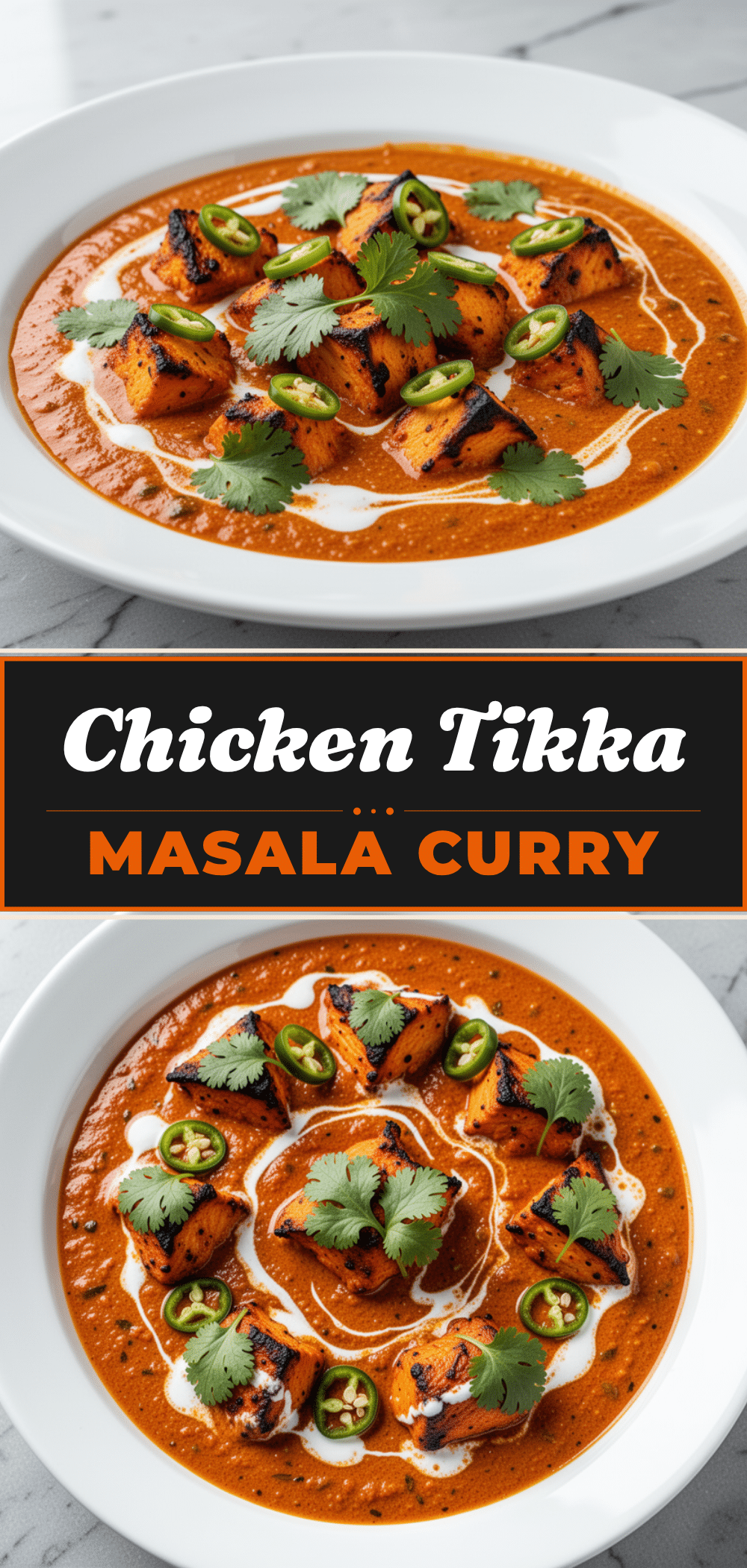
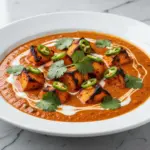
Chicken Tikka Masala: Easy 30-Minute Dinner
- Total Time: 30 minutes
- Yield: 6 servings 1x
Description
A creamy, spiced, tomato-based chicken dish that comes together in one pot in about 30 minutes. This easy weeknight dinner replaces takeout with a flavorful, budget-friendly meal that is surprisingly simple to make.
Ingredients
- 2 pounds boneless, skinless chicken thighs
- 1 large yellow onion, finely diced
- 6 cloves garlic, minced
- 1 tablespoon fresh ginger, grated
- 1 can (14 oz) crushed tomatoes
- 2 tablespoons tomato paste
- ½ cup low-sodium chicken broth
- ½ cup heavy cream
- 2 teaspoons garam masala
- 1 teaspoon ground cumin
- 1 teaspoon ground coriander
- 1 teaspoon chili powder
- 1 teaspoon salt, or to taste
- 2 tablespoons butter
- ¼ cup fresh cilantro, chopped
Instructions
- Prep ingredients: Dice onion, mince garlic, grate ginger, and measure spices into a small bowl.
- Heat butter in a large skillet over medium-high heat. Add chicken thighs (cut into bite-sized pieces if large) and season with a pinch of salt. Cook 3-4 minutes per side until browned, then remove chicken and set aside.
- Reduce heat to medium. Add diced onion to the same pan and cook 3-4 minutes until soft and translucent. Add garlic and ginger, cooking for 1 minute until fragrant but not browned.
- Add garam masala, cumin, coriander, and chili powder. Stir constantly for 30-60 seconds to bloom the spices.
- Stir in tomato paste and cook for 1 minute. Add crushed tomatoes and chicken broth, stirring to scrape up browned bits from the bottom. Simmer for 3-4 minutes until sauce thickens slightly.
- Return chicken and any juices to the pan. Stir to coat in sauce. Reduce heat to low, cover, and simmer for 5-7 minutes until chicken is cooked through.
- Remove pan from heat. Stir in heavy cream. Taste and adjust salt or spice levels as needed.
- Serve immediately over basmati rice or with warm naan bread, topped with fresh cilantro.
Notes
For best results, use chicken thighs as they stay juicier than breast meat. Bloom spices in butter before adding liquids to unlock full flavor. If the sauce is too thick, add a splash of water or broth. If too thin, simmer uncovered longer. Do not freeze if heavy cream is added, as it may separate; freeze sauce without cream if making ahead.
- Prep Time: 10 minutes
- Cook Time: 20 minutes
- Category: Main Course
- Cuisine: Indian
Nutrition
- Serving Size: 1 serving
- Calories: 420
- Sugar: 6
- Sodium: 380
- Fat: 28
- Saturated Fat: 14
- Carbohydrates: 12
- Fiber: 2
- Protein: 28
Keywords: chicken tikka masala, easy dinner, weeknight meals, one pot recipe, indian food, creamy chicken, 30 minute dinner, gluten free