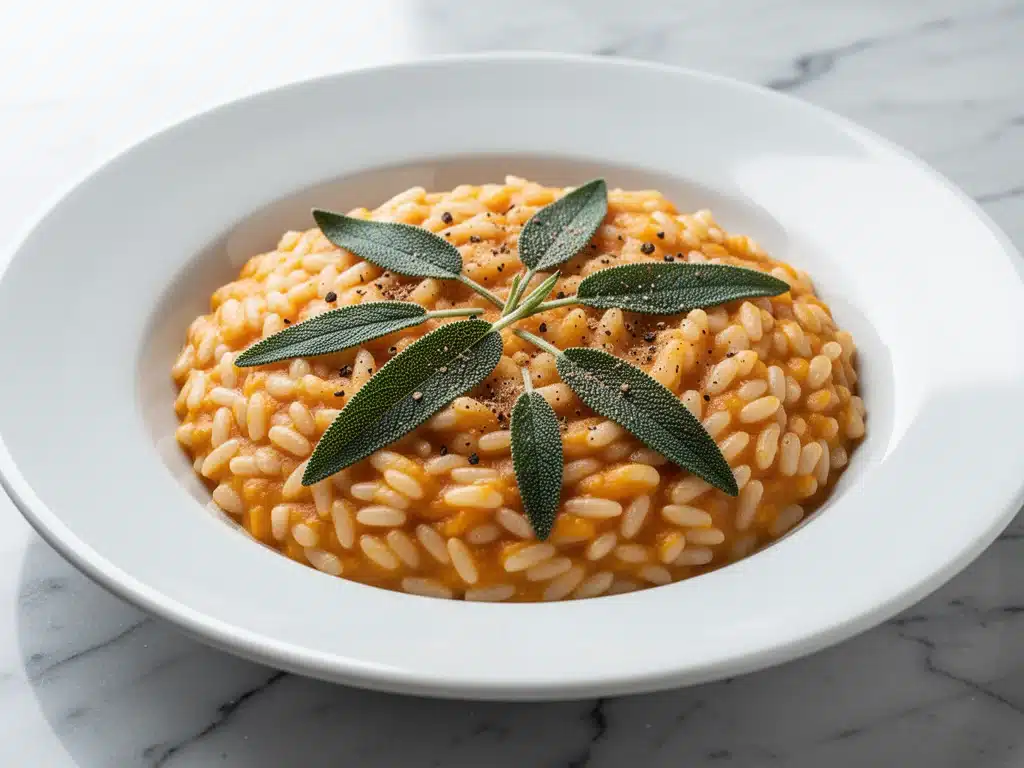
I used to think risotto was one of those dishes you ordered at a nice Italian restaurant and pretended to know how to make. You know the type. The kind of meal that requires a master’s degree in patience and a personal assistant to stir the pot for forty-five minutes. I was wrong. Dangerously wrong.
Last November, it was raining sideways, the house was cold, and I was staring at a half-peeled butternut squash and a bag of arborio rice like they were mocking me. I didn’t want to order takeout. I didn’t want to make pasta again. I wanted something warm, something that felt like a hug, but I also had a deadline to hit at 9 PM. So I threw together what I thought would be a mediocre experiment.
Thirty minutes later, the kitchen smelled like toasted nuts and sage, and my husband walked in, took one bite, and asked if I was trying to get a promotion at the restaurant. That was the moment I realized that fall butternut squash and sage risotto doesn’t have to be a weekend project. It can be a weeknight lifesaver.
I’ve made this butternut squash risotto recipe at least a dozen times since that rainy Tuesday. I’ve tweaked the broth, tested different squashes, and argued with my stove about heat levels. The result? A creamy, golden, deeply savory dish that tastes like it came from a chef’s kitchen but takes less time than you think. It’s the perfect balance of comfort and flavor, and honestly, it’s become my go-to when I need to impress without stressing.
If you’ve been intimidated by risotto, this is your sign to stop buying it at the grocery store and start making it at home. It’s easier than you think, and the leftovers are even better the next day. Let me show you how to make it without losing your mind.
Why You’ll Love This Butternut Squash Risotto
There are plenty of reasons to add this to your rotation, but let’s be real—it’s not just about the taste. It’s about the vibe. It’s about having a dinner that feels special but doesn’t require a shopping trip to a specialty store or three hours of prep time.
Actually Fast for a Weeknight
Yes, risotto takes stirring. But it’s mostly hands-off simmering. From peel to plate, this easy weeknight risotto takes about 35 minutes. I make this on Tuesdays when I’m exhausted. If I can do it after a 10-hour workday, you can too.
Pantry-Friendly Ingredients
You probably have most of this already. Arborio rice, onion, butter, cheese, and squash. The rest is broth and sage. If you have a freezer full of veggies, you’re golden. It’s budget-friendly too, especially if you buy the squash whole and roast it yourself.
Creamy Without Heavy Cream
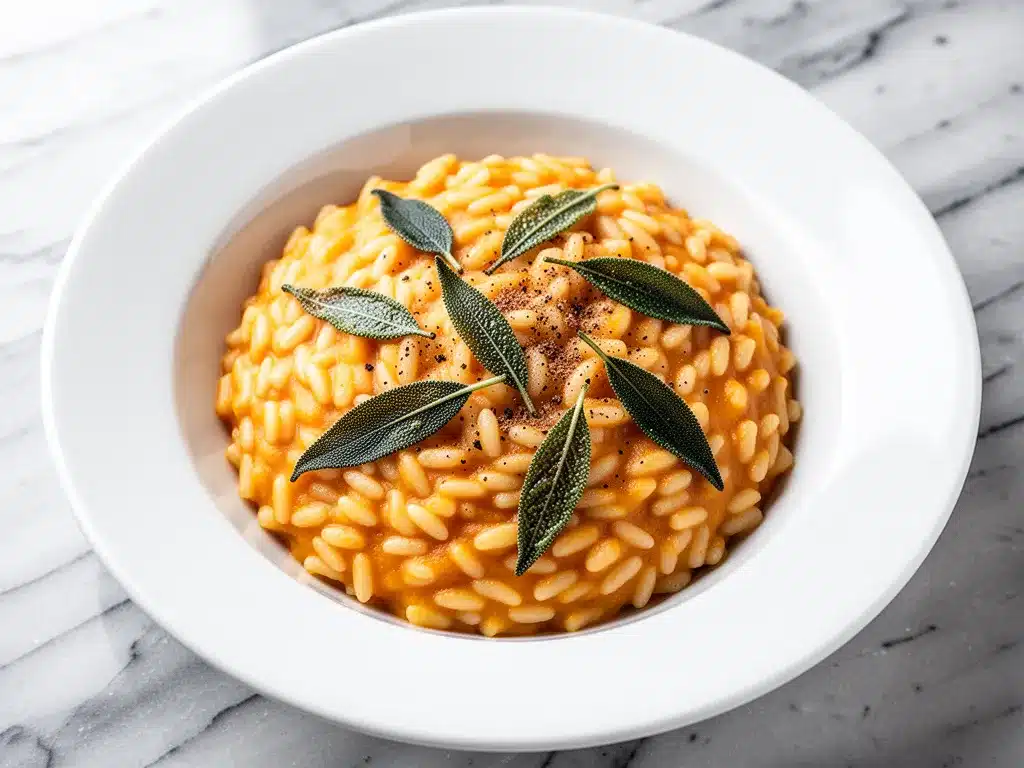
Here’s the secret: risotto gets its creaminess from the rice, not dairy. The starch released during cooking creates that luxurious texture naturally. You get richness from Parmesan and butter, but it’s not heavy or greasy. It’s light, elegant, and surprisingly healthy-ish.
Perfect for Meal Prep
I know, I know—some people say risotto doesn’t reheat well. That’s true if you microwave it until it’s rubbery. But if you store it properly and reheat it gently with a splash of broth or milk, it comes back to life. I make a double batch on Sundays and eat it for lunch all week. It tastes better on day two because the flavors meld.
Vegetarian and Gluten-Free Friendly
It’s naturally vegetarian and gluten-free (just check your broth label). It’s a great way to get your family to eat vegetables without them realizing they’re eating a whole squash. The sweetness of the squash balances the savory sage perfectly.
This is my answer to “what’s for dinner” when I want something that feels fancy but is actually simple. It’s reliable, delicious, and makes your kitchen smell incredible. No complicated techniques, just good food.
Ingredients You’ll Need
Here’s the best part: you don’t need anything exotic. This is about quality basics, not rare ingredients. I’m particular about three things here, and I’ll tell you exactly why.
For the Base
Butternut squash (2 cups, cubed / about 300g) — This is the star. I use fresh squash, peeled and diced into ½-inch cubes. For speed, you can buy pre-cut squash at the store, but fresh tastes better. Roast it first for deeper flavor, or boil it quickly for speed.
Arborio rice (1½ cups / 300g) — Do not substitute with jasmine or basmati. You need the high starch content of Arborio to get that creamy texture. It’s non-negotiable. I keep a bag in my pantry at all times.
Yellow onion (1 medium, finely diced / about 150g) — Sweet onions work too, but yellow gives better depth. White onions are too sharp. Finely dice it so it melts into the sauce.
Garlic (3 cloves, minced / about 1 tablespoon) — Fresh only. No jarred garlic in this recipe. It adds a subtle background note that ties everything together.
Butter (3 tablespoons / 45g) — Unsalted butter is best so you can control the salt. I use high-quality European butter when I can afford it—it makes a difference in flavor.
White wine (½ cup / 120ml) — Dry white wine like Pinot Grigio or Sauvignon Blanc. If you don’t drink alcohol, use extra vegetable broth and a teaspoon of lemon juice. The wine deglazes the pan and adds acidity.
For the Flavor
Vegetable broth (4-5 cups / 1 liter) — Low-sodium is crucial. You’ll be adding a lot of it, and you don’t want it to be salty. Keep it warm in a separate pot while you cook. Cold broth shocks the rice and stops the cooking process.
Fresh sage leaves (10-12 leaves) — This is the “fall” flavor. Fresh sage is better than dried. If you can’t find fresh, use 1 teaspoon of dried, but fresh is worth the trip to the store.
Parmesan cheese (½ cup / 50g, freshly grated) — Buy the block and grate it yourself. Pre-grated has anti-caking agents that make the sauce grainy. It takes 2 minutes and makes a huge difference.
Salt and black pepper — To taste. I use kosher salt.
Optional Add-ins
Toast pecans or walnuts — For crunch. I love adding chopped toasted pecans on top. It adds texture and pairs beautifully with the squash.
Crème fraîche or sour cream — A dollop on top adds extra richness. I use this when I’m feeling fancy.
Red pepper flakes — A pinch adds a nice kick that cuts through the sweetness. Optional but recommended.
Equipment Needed
You don’t need fancy equipment for this. Here’s what I actually use.
Large saucepan or Dutch oven — I use a 6-quart pot. Needs to fit the rice and broth comfortably. My ancient pot from college still works fine. Heavy-bottomed is best for even heating.
Medium skillet — For sautéing the onions, garlic, and sage. 10-inch works well.
Wooden spoon — For stirring. Silicone works too. Don’t use metal on non-stick.
Sharp knife and cutting board — For peeling and dicing the squash. A heavy chef’s knife makes peeling squash much easier and safer.
Ladle — For adding broth gradually. Or just use a measuring cup.
Microplane or box grater — For the Parmesan. Or food processor if you’re grating lots of cheese.
Optional but nice:
Roasting pan — If you choose to roast the squash first. It’s not necessary but adds flavor.
Potato masher — To mash the cooked squash slightly for a creamier texture.
How to Make It: Step-by-Step
Alright, let’s make this! I’m walking you through exactly how I do it, including the little tricks I’ve picked up.
Step 1: Prep the Squash (10-15 minutes)
If you’re using fresh squash, peel it, remove the seeds, and cube it into ½-inch pieces. I usually roast it at 400°F (200°C) for 15-20 minutes until tender. This concentrates the sweetness. If you’re in a rush, you can boil the cubes for 5 minutes until soft. Drain well. Mashing them slightly helps create a creamy base.
Step 2: Sauté Aromatics (3-4 minutes)
In your large pot or Dutch oven, melt 2 tablespoons of butter over medium heat. Add the diced onion and cook for 3 minutes until soft and translucent. Add the minced garlic and sage leaves. Cook for 1 minute, stirring constantly. The sage should smell fragrant. Don’t let the garlic brown—it gets bitter.
Step 3: Toast the Rice (2 minutes)
Add the Arborio rice to the pot. Stir constantly for 2 minutes. The rice should look slightly translucent at the edges and smell toasted. This step is crucial—it seals the starch and prevents mushiness.
Step 4: Deglaze with Wine (2 minutes)
Pour in the white wine. It will sizzle and steam. Stir until the wine is mostly absorbed. This adds acidity and depth. If you skipped the wine, add a splash of lemon juice now.
Step 5: Add Broth Gradually (20 minutes)
This is the main event. Add warm broth one ladle at a time. Stir frequently. Wait until each ladle is mostly absorbed before adding the next. This takes about 18-20 minutes. The rice should be tender but still have a slight bite (al dente). Keep the heat medium-low. If it’s sticking, add a splash more broth.
Step 6: Fold in Squash and Cheese (3 minutes)
Stir in the cooked butternut squash. Mash some of it against the side of the pot to release its creaminess. Remove the pot from heat. Stir in the remaining 1 tablespoon of butter and the grated Parmesan. The sauce should be glossy and creamy.
Step 7: Season and Serve
Taste and adjust salt and pepper. The broth and cheese are salty, so go easy. Serve immediately, topped with extra sage leaves, cracked black pepper, and toasted pecans if using.
Total Time: About 35-40 minutes (15 minutes prep, 25 minutes cooking)
Expert Tips & Tricks
Here’s everything I’ve learned from making this dozens of times. These tips will save you from my mistakes.
Keep the Broth Warm
This is the #1 tip. Cold broth stops the cooking process. Keep your broth simmering in a separate pot. If you use cold broth, your risotto will be unevenly cooked. I keep a small pot of broth on the back burner the whole time.
Don’t Rush the Stirring
Stirring releases the starch. If you just walk away, you’ll get a bowl of rice pudding. Stir every 30 seconds. It’s meditative, really. I listen to a podcast while I stir. It’s not hard work, just consistent attention.
Toast the Rice First
Never skip toasting the rice in butter before adding liquid. It adds a nutty flavor and helps the grains stay separate. It’s a 2-minute step that makes a huge difference.
Mash the Squash
Don’t just drop whole cubes in. Mash half of the cooked squash into the rice. This creates a creamy base without needing extra cream. The whole cubes add texture, but the mashed part makes it luxurious.
Finish with Cold Butter
For restaurant-quality finish, add a tablespoon of cold butter at the very end and swirl it in. This is called “mantecatura” in Italian. It makes the sauce glossy and rich. Trust me, it’s worth the extra step.
Common Mistakes (and how to avoid them)
Mistake: Risotto is watery
Fix: You didn’t cook it long enough. Keep adding broth and stirring until the rice is tender. If it’s still watery, let it sit for 2 minutes off heat—it will thicken.
Mistake: Risotto is mushy
Fix: You overcooked it or used the wrong rice. Make sure you’re using Arborio. Cook until al dente, not soft. It should have a slight resistance.
Mistake: Everything is too salty
Fix: Use unsalted butter and low-sodium broth. You can always add more, can’t take it away. Taste as you go.
Variations & Substitutions
Once you’ve nailed the basic version, here’s how you can mix it up. I’ve tried all of these.
Roasted Garlic Version
Add 2 heads of roasted garlic to the pot in step 6. Squeeze the cloves out and mash them in. Adds a deep, sweet savory flavor. My favorite for winter.
Spinach and Mushroom
Sauté 8oz sliced mushrooms with the onions. Add 2 cups fresh spinach in the last minute. Wilts right in. This is how I get my kids to eat vegetables.
Crispy Sage Croutons
Fry the sage leaves in butter until crispy. Use them as a garnish. Adds crunch and looks beautiful. Great for dinner parties.
Lighter Version
Use olive oil instead of butter, and reduce Parmesan to ¼ cup. It’s thinner but still good. I make this when I’m trying to be “healthy.”
Dietary Modifications
Gluten-Free — Arborio rice is naturally gluten-free. Just check your broth label.
Dairy-Free — Replace butter with olive oil and Parmesan with nutritional yeast (use ½ cup). It’s different but still tasty. My lactose-intolerant friend requests this version.
Vegan — Use vegetable broth, olive oil, and nutritional yeast. Add cashew cream for richness (blend ½ cup cashews with ½ cup water).
Serving & Storage
How to Serve
I usually serve this straight from the pot at the dinner table—it looks rustic and stays warm. But here are other ways I’ve enjoyed it:
Side Dishes
- Simple green salad with balsamic vinaigrette
- Roasted broccoli or green beans
- Garlic bread (obviously)
- Caesar salad (when I’m feeling fancy)
Toppings Bar
When I have guests, I put out: extra Parmesan, toasted pecans, red pepper flakes, fresh sage leaves, lemon wedges. Everyone customizes their bowl.
Wine Pairing
Not a wine expert, but my wine-snob friend says Pinot Grigio or Chardonnay works great with this. A light red like Pinot Noir also works.
Storage Instructions
Refrigerator: Store in an airtight container for up to 3 days. The risotto will thicken in the fridge—totally normal.
Reheating: Best method: Add to a skillet with a splash of milk or broth over low heat. Stir until heated through and creamy again. Microwave method: Heat in 30-second intervals, stirring between. Add a splash of milk if it’s too thick. Never works: Trying to reheat in the pot you cooked it in. It always burns on the bottom. Ask me how I know.
Freezing: Honestly, this doesn’t freeze well because of the dairy. The sauce separates when thawed. Make it fresh or store in the fridge for up to 3 days.
Meal Prep: Make the risotto on Sunday, store in the fridge. Reheat with a splash of broth each night. Takes 5 minutes and tastes way better than fully reheated pasta.
Pro tip: If leftovers are drying out, stir in a tablespoon of butter and a splash of milk when reheating. Brings back that creamy texture.
Nutrition Information
I’m not a nutritionist, but here’s the breakdown if you’re tracking.
Per Serving (based on 6 servings):
| Nutrient | Amount |
|---|---|
| Calories | 380 |
| Protein | 10g |
| Carbs | 52g |
| Fiber | 4g |
| Sugar | 6g |
| Fat | 14g |
| Saturated Fat | 7g |
| Cholesterol | 30mg |
| Sodium | 450mg |
| Calcium | 180mg |
What’s Good:
- Decent fiber from squash and rice
- Calcium from the cheese
- More filling than it looks
What to Know:
- Higher in calories from cheese and butter
- Contains dairy
- Moderate sodium (use low-sodium broth to reduce)
My Take: “Look, this is comfort food. It’s not a diet recipe. But it’s way better than takeout, costs less, and I know exactly what’s in it. When I want to make it lighter, I use less butter and load up on vegetables. But usually? I just eat a reasonable portion and enjoy it.”
Final Thoughts
So that’s my go-to fall butternut squash and sage risotto! I’ve probably talked your ear off at this point, but when you make a recipe this often, you have a lot to say about it.
This has saved weeknight dinners more times than I can count. It’s my answer to “what’s for dinner” when I’m tired, don’t want takeout, and still want something that tastes really good. My kids are happy, my husband’s happy, and I’m happy because I’m not stressed about cooking.
Make it yours! Try different add-ins, swap in your favorite vegetables, adjust the sage (though more is always better in my opinion). The best recipes are the ones you adapt to your family’s tastes.
If you make this, drop a comment and let me know what you think! I love hearing how recipes turn out in your kitchen. And if something doesn’t work, tell me that too—I’m here to help troubleshoot.
Happy cooking! And I hope your kitchen smells half as good as mine does right now.
Frequently Asked Questions
Can I use jasmine rice instead of Arborio?
You can, but the texture will be completely different. Jasmine rice doesn’t release enough starch to make it creamy. You’ll end up with a bowl of loose rice. Stick with Arborio, Carnaroli, or Vialone Nano for that classic risotto texture. It’s worth the extra cost.
Why did my risotto turn out watery?
Usually means you didn’t cook it long enough, or you added too much broth at once. Keep adding broth and stirring until the rice is tender. If it’s already watery, turn up the heat and let it reduce for another few minutes. The starch will thicken it up.
Can I make this ahead for a dinner party?
Sort of. Make the risotto up to 2 hours ahead and keep it warm in a low oven. Reheat gently with a splash of broth before serving. It won’t be quite as good as fresh, but it’s close and saves you stress during the party. I do this all the time.
Can I use dried sage?
You can, but fresh tastes so much better. Dried sage can be bitter and overpowering. If you must use it, use 1 teaspoon of dried sage for every 10 fresh leaves. But honestly, fresh sage is worth the trip to the store.
How do I reheat leftovers without it getting dry?
Add a splash of milk or broth to a skillet, add your leftover risotto, and heat gently over low heat, stirring frequently. The extra liquid brings back the creamy texture. Microwave sort of works but tends to dry it out. If you do microwave, definitely add a splash of milk first and heat in short bursts, stirring between.
Can I double this recipe?
Absolutely! Double everything and use your biggest pot. The cooking times stay the same. I do this when I’m meal-prepping or feeding a crowd. Just make sure your pot is big enough for the broth—you might need to use two pans or a very large Dutch oven.
If you’re looking for more fall-inspired meals, check out my cinnamon apple dump cake for a sweet ending, or try my fall brown butter pumpkin cookies for a quick treat. For savory options, my creamy Cajun sausage pasta is a great weeknight alternative.
Pin This Recipe!
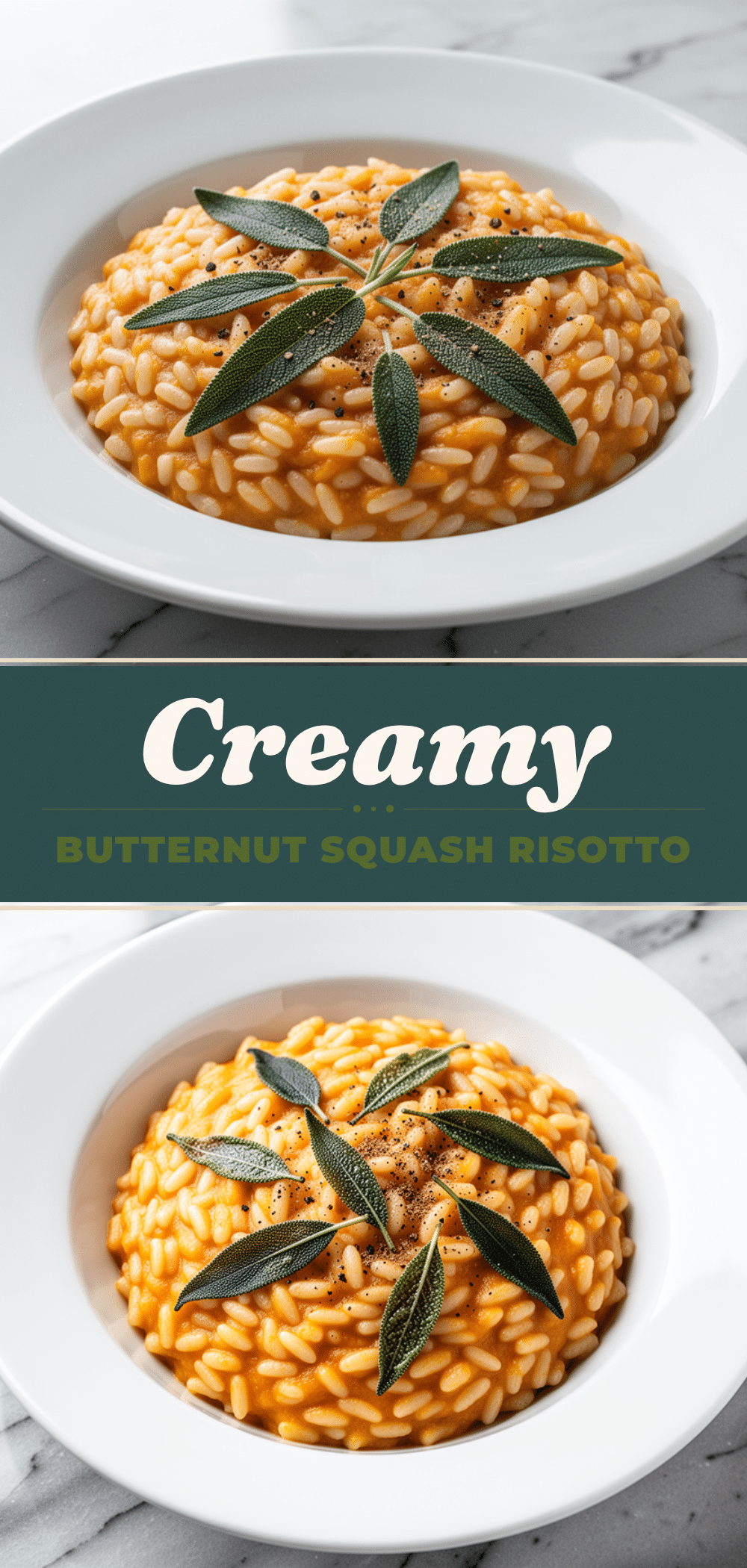

Butternut Squash Risotto: Best Easy Weeknight Recipe
- Total Time: 40 minutes
- Yield: 6 servings 1x
Description
A creamy, golden, and deeply savory butternut squash risotto that tastes like it came from a chef’s kitchen but takes less than 40 minutes to make. This vegetarian and gluten-free dish is perfect for weeknights and meal prep.
Ingredients
- 2 cups cubed butternut squash (about 300g)
- 1½ cups Arborio rice (300g)
- 1 medium yellow onion, finely diced (about 150g)
- 3 cloves garlic, minced
- 3 tablespoons unsalted butter, divided
- ½ cup dry white wine (like Pinot Grigio or Sauvignon Blanc)
- 4–5 cups warm low-sodium vegetable broth
- 10–12 fresh sage leaves
- ½ cup freshly grated Parmesan cheese (50g)
- Kosher salt and black pepper to taste
- Optional: Toasted pecans or walnuts for crunch
- Optional: Crème fraîche or sour cream for richness
- Optional: Red pepper flakes for heat
Instructions
- Prep the squash by peeling, removing seeds, and cubing into ½-inch pieces. Roast at 400°F (200°C) for 15-20 minutes until tender, or boil for 5 minutes. Drain well and mash slightly.
- In a large saucepan or Dutch oven, melt 2 tablespoons of butter over medium heat. Add diced onion and cook for 3 minutes until soft. Add garlic and sage leaves, cooking for 1 minute until fragrant.
- Add Arborio rice to the pot and stir constantly for 2 minutes until the edges look translucent and the rice smells toasted.
- Pour in the white wine and stir until mostly absorbed.
- Add warm broth one ladle at a time, stirring frequently. Wait until each ladle is absorbed before adding the next. This takes about 18-20 minutes. Rice should be tender but al dente.
- Stir in the cooked butternut squash, mashing some against the pot to release creaminess. Remove from heat.
- Stir in the remaining 1 tablespoon of butter and grated Parmesan until the sauce is glossy and creamy.
- Season with salt and pepper to taste. Serve immediately, topped with extra sage, pepper, and toasted nuts if desired.
Notes
Keep the broth warm to maintain cooking temperature. Toast the rice first to seal starch and prevent mushiness. Mash half the squash for creaminess without heavy cream. Finish with cold butter for a glossy texture (mantecatura). Do not substitute Arborio with jasmine or basmati rice.
- Prep Time: 15 minutes
- Cook Time: 25 minutes
- Category: Main Course
- Cuisine: Italian
Nutrition
- Serving Size: 1 bowl
- Calories: 380
- Sugar: 6
- Sodium: 450
- Fat: 14
- Saturated Fat: 7
- Carbohydrates: 52
- Fiber: 4
- Protein: 10
Keywords: butternut squash risotto, easy weeknight dinner, vegetarian risotto, gluten-free recipe, fall recipes, sage risotto, creamy risotto, meal prep