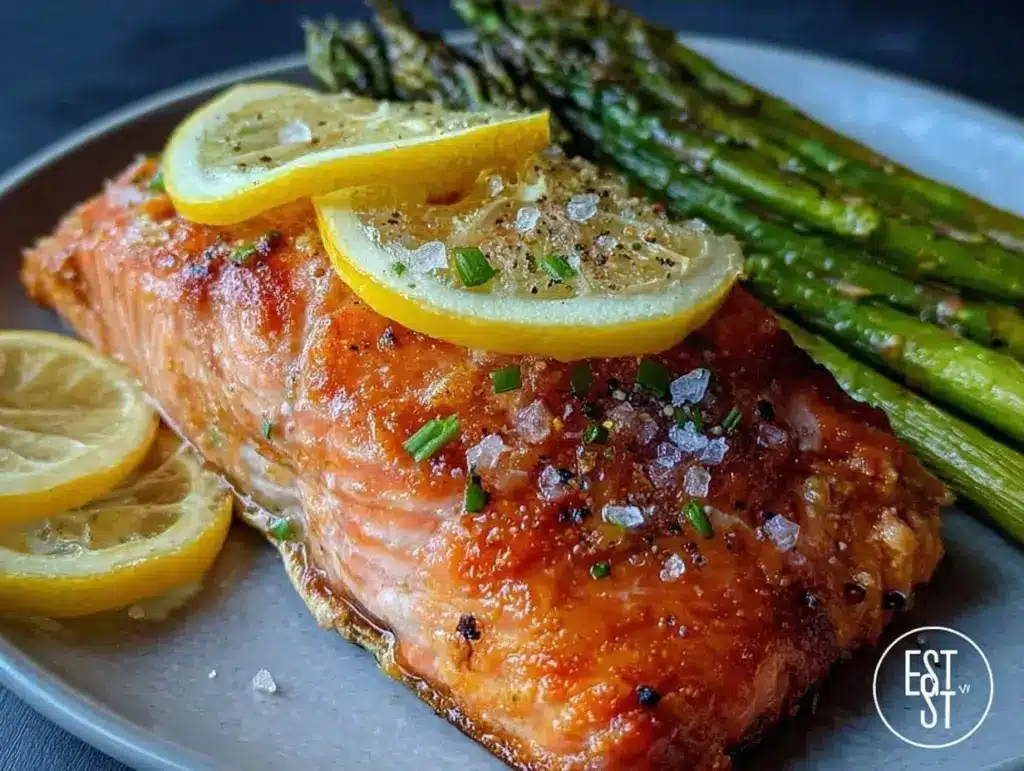
I used to think “healthy dinner” meant eating sad, rubbery chicken breast with a side of steamed broccoli that tasted like wet grass. It wasn’t healthy; it was just boring. Then my husband started complaining that I was turning into a nutritionist who forgot what food actually tastes like. He wanted flavor. I wanted to feel good about what we were eating. We needed a middle ground.
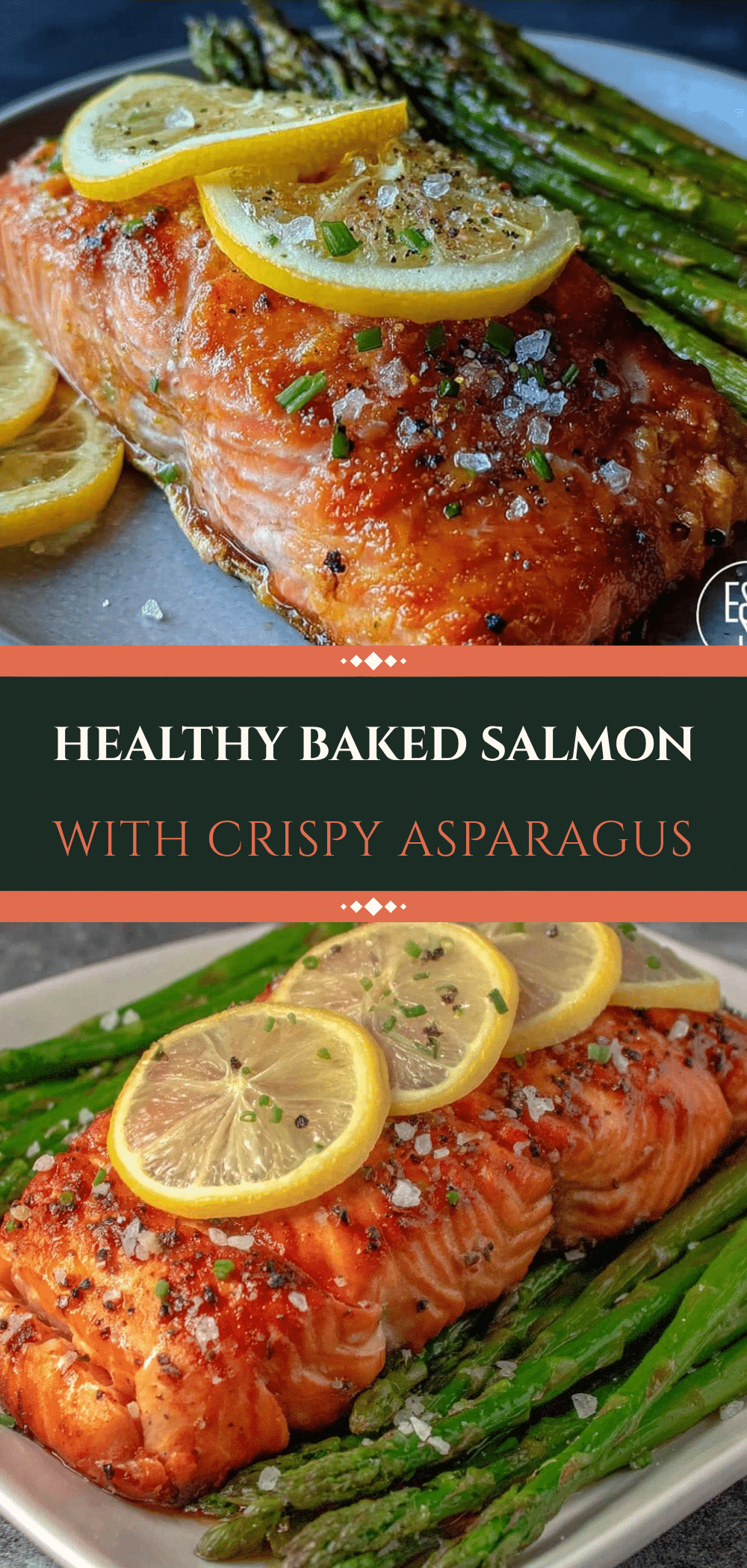
That’s when I started making this Healthy Baked Salmon with Roasted Asparagus. It changed everything. Seriously. It’s the dish that proved you don’t need to spend an hour over a hot stove or order expensive takeout to eat well. It’s one pan. It’s fast. And honestly? It’s cheaper than buying those fancy meal kits from the grocery store.
I’ve made this baked salmon and asparagus routine at least twenty times in the last year. Sometimes I add lemon slices, sometimes I skip the garlic if we’re short on time, but the core recipe stays the same. It’s become our Tuesday and Thursday anchor. My kids don’t even roll their eyes when I say “fish night” anymore. They actually look forward to the crispy edges on the salmon.
If you’re tired of the same chicken-and-rice rotation and want something that looks like you tried but takes less effort than making a sandwich, this is it. Let’s get into why this one-sheet-pan wonder is going to save your weeknight sanity.
Why You’ll Love This Recipe
There are a lot of healthy dinner options out there, but this Healthy Baked Salmon with Roasted Roasted Asparagus hits a sweet spot that most fail to reach. It’s not just “good for you”; it’s genuinely delicious. Here’s why it keeps showing up on our table:
One Pan Cleanup — This is the biggest selling point for me. I have two kids and zero patience for scrubbing pans after dinner. Everything roasts on the same sheet pan. Salmon, asparagus, veggies. I line it with parchment paper (because I’m cheap and don’t want to scrub burnt cheese off my metal pan), and I’m done. Done, done, done.
Under 30 Minutes — From the moment I pull the salmon out of the freezer to the moment we’re sitting down, it’s about 25 minutes. That’s less time than it takes to wait for a pizza delivery. I make this on nights when I’m exhausted, the kids are hangry, and I’m staring at the fridge hoping for inspiration.
Actually Affordable — People think eating healthy means buying expensive organic salmon fillets and fancy produce. Not here. I buy the family pack of salmon fillets when they’re on sale (which is often), freeze them, and grab what I need. Asparagus is usually pretty cheap, especially if you buy the bunch at the market. This feeds four people for under $20, usually less.
Kid-Approved — My picky eater, who refuses to eat anything green unless it’s french fries, eats the asparagus from this recipe. The olive oil and roasting make it sweet and crispy, not mushy. The salmon is mild and flaky. No funny smells linger in the house, which is a miracle in my kitchen.
Meal Prep Friendly — I make extra on purpose. The leftovers are perfect for lunch the next day. I’ll flake the salmon over a salad or wrap it in a tortilla with some avocado. It’s better than cold chicken, I promise.
This recipe is my answer to “what’s for dinner?” when I have zero energy but don’t want to compromise on nutrition. It’s reliable, tasty, and keeps the budget in check.
Ingredients You’ll Need
Here’s the best part: you probably have most of this already. It’s simple, pantry-friendly, and doesn’t require a trip to three different specialty stores.
For the Salmon
Salmon fillets (1.5 to 2 pounds / 680-900g) — I usually buy a family pack of wild-caught salmon fillets. They’re often on sale for $6-8 a pound. If you can afford it, wild-caught is better for you, but farmed is fine too. Just make sure they’re fresh, not slimy. Thaw them in the fridge overnight if they’re frozen.
Extra virgin olive oil (3 tablespoons / 45ml) — Don’t skimp on quality here. It’s the main fat, so it needs to taste good. I keep a bottle of extra virgin for cooking and drizzling. Regular olive oil works if you’re on a tight budget, but extra virgin has more flavor.
Lemon (2 medium) — One for juicing, one for slicing. The acid cuts through the richness of the salmon. If you’re not a lemon person, lime works too, but lemon is classic for a reason.
Garlic (4 cloves, minced / about 2 tablespoons) — Fresh garlic is non-negotiable for me. Jarred garlic has a weird metallic taste that really shows up in simple recipes like this. Mince it yourself. It takes 30 seconds.
Dried Italian seasoning (1 teaspoon) — Or a mix of dried oregano and basil. It adds a subtle herbal note without overpowering the fish. If you have fresh herbs, use them, but dried is easier to keep stocked.
Salt and black pepper — Kosher salt is best because you can control the amount better. Sea salt works too. Freshly cracked pepper adds a nice kick.
For the Asparagus
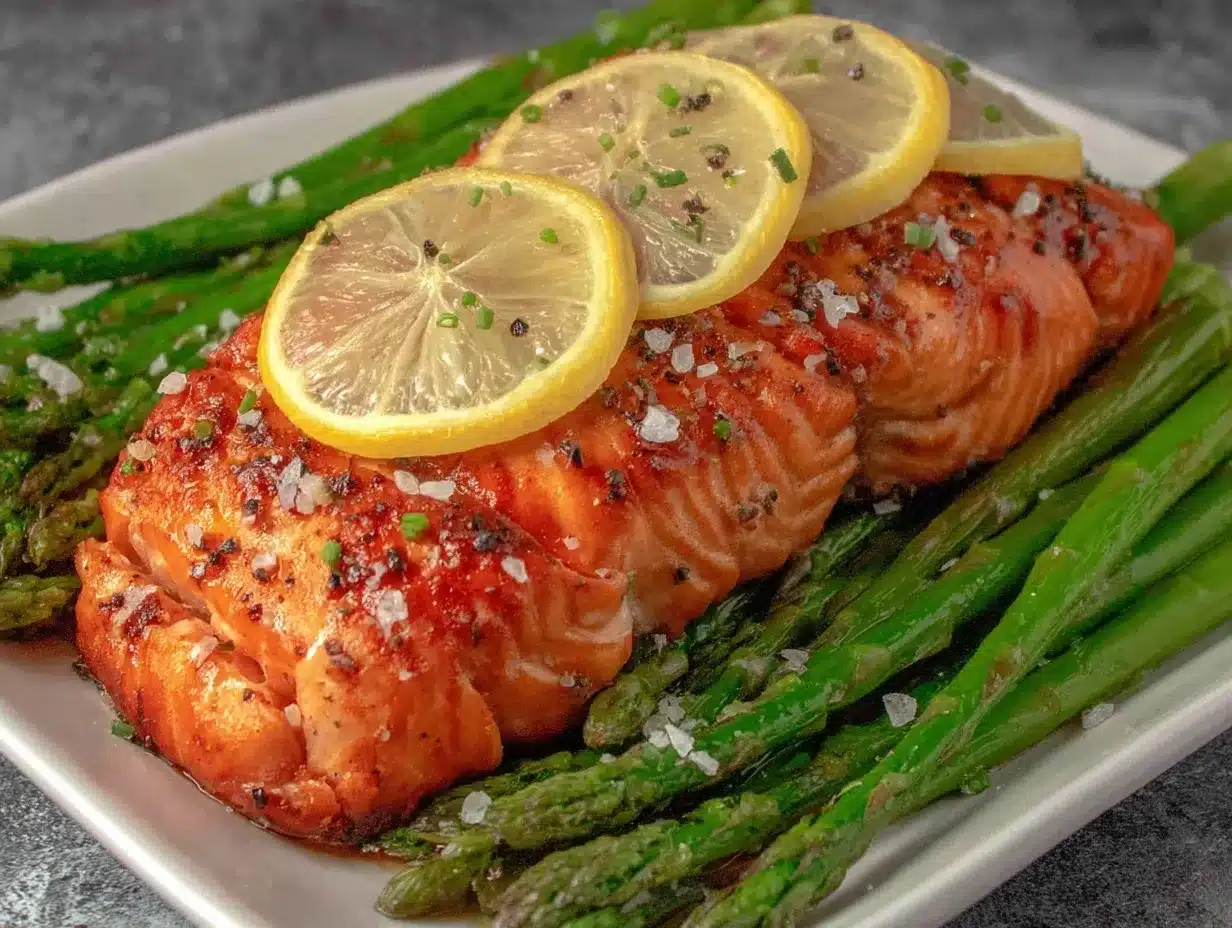
Asparagus bunches (2 large bunches / about 1 pound / 450g) — Look for spears that are bright green and firm. Avoid ones that are limp or have brown tips. You want them crisp-tender, not mushy. The thickness doesn’t matter much, but thinner spears cook faster.
Garlic powder (½ teaspoon) — A little extra garlic flavor for the veggies. It’s cheap and shelf-stable.
Red pepper flakes (¼ teaspoon) — Optional, but I like a tiny bit of heat to balance the lemon. Skip it if you’re serving young kids who are sensitive to spice.
Pantry Staples
You’ll need parchment paper to line the pan. It makes cleanup instant. If you don’t have it, grease your pan well with oil, but you’ll be scrubbing later.
Substitutions: Can’t find asparagus? Broccoli florets or green beans work great too. They roast at a similar temperature. Switching to zucchini? Add it in the last 10 minutes so it doesn’t turn to soup.
Equipment Needed
You don’t need fancy gadgets for this. Here’s what I actually use in my everyday kitchen.
Large sheet pan — I use a half-sheet pan (18×13 inches). It needs to be big enough to fit the salmon and asparagus in a single layer. If they’re crowded, they steam instead of roast, and you lose that nice texture. I have a few older pans from college that still work perfectly. They’re dented but flat.
Parchment paper — Essential for easy cleanup. I buy the big rolls. It’s cheaper than buying a new pan when you burn one.
Sharp knife — For trimming the asparagus and slicing the lemon. A dull knife is dangerous and makes mincing garlic a nightmare.
Measuring spoons — For the spices. I keep a basic set in a drawer.
Citrus juicer — I use a handheld squeeze type. It’s cheap and works fine. You can also squeeze by hand, but you’ll get seeds in your sauce.
Small bowl — For mixing the oil and garlic for the salmon. Doesn’t matter the size.
Brush or spoon — To spread the oil mixture over the fish. A silicone brush is nice, but a regular spoon works.
Optional: Fish spatula — Those thin, flexible spatulas are great for flipping delicate fish. But a regular spatula works if you’re gentle.
How to Make It: Step-by-Step
Alright, let’s make this! I’m walking you through exactly how I do it, including the little tricks I’ve picked up so you don’t end up with dry fish or burnt garlic.
Step 1: Prep the Oven and Pan (5 minutes)
Preheat your oven to 400°F (200°C). This temperature is key. It’s hot enough to roast the asparagus quickly but gentle enough to cook the salmon without drying it out. While the oven heats, line your large sheet pan with parchment paper. I tear off a piece that’s slightly larger than the pan and tuck the edges under. It stays put and makes cleanup a breeze.
Step 2: Prep the Asparagus (5 minutes)
Wash the asparagus and pat it dry. Moisture is the enemy of roasting. If it’s wet, it steams. Take a knife and snap off the woody ends. I usually just bend one spear; it breaks where the tender part starts, and then I line up the rest and cut them all at once. Toss the asparagus on one side of the sheet pan with 1 tablespoon olive oil, garlic powder, salt, and pepper. Spread it out in a single layer.
Step 3: Prep the Salmon (5 minutes)
Pat the salmon fillets dry with paper towels. This seems minor, but it helps the seasoning stick. In a small bowl, mix the remaining 2 tablespoons of olive oil, the minced fresh garlic, juice of one lemon, Italian seasoning, salt, and pepper. Brush this mixture generously over the top of each salmon fillet. Don’t be shy with the garlic; it’s the star flavor here. Place the salmon on the other side of the sheet pan, skin-side down.
Step 4: Add the Lemon (2 minutes)
Take the second lemon and slice it into thin rounds. Lay these slices on top of the salmon. They’ll infuse the fish with citrus flavor as it bakes and look pretty when you serve it. Squeeze any remaining lemon juice over the asparagus.
Step 5: Roast (15-18 minutes)
Put the pan in the preheated oven. Bake for 15-18 minutes. This depends on the thickness of your fillets. A 1-inch thick fillet usually takes 15 minutes. A thicker one might need 18. The salmon is done when it flakes easily with a fork and is opaque throughout. The asparagus should be tender-crisp and slightly charred at the tips.
Step 6: Check and Serve
Take the pan out. Check the salmon with a fork. If it resists flaking, give it another 2-3 minutes. If it’s falling apart, it’s done. Let it rest for 2 minutes before serving. This lets the juices redistribute. Serve immediately with extra lemon wedges on the side.
Total Time: About 25 minutes (5 minutes prep, 20 minutes cooking).
Expert Tips & Tricks
Here’s everything I’ve learned from making this dozens of times. These tips will save you from my mistakes.
Don’t Crowd the Pan
This is the #1 mistake people make. If you pile the salmon on top of the asparagus, nothing roasts properly. They need space. Air needs to circulate. If you have a small oven or a small pan, cook them in two batches. It’s better to do two rounds than to serve steamed fish.
Pat the Fish Dry
I know it’s a pain, but drying the salmon before adding oil helps the seasoning stick and prevents the fish from steaming in its own juices. It’s a small step that makes a big difference in texture.
Use a Meat Thermometer
If you’re worried about overcooking, use a thermometer. Salmon is perfect at 145°F (63°C) internally. But I like mine a bit lower, around 135°F, because it stays moist. If you pull it at 145°F, it might be a bit dry. Trust your eyes: it should be opaque and flake easily.
Trim the Asparagus Properly
Don’t just cut them randomly. The bottom part is tough and woody. Snap them first to find the line, then cut. Nobody wants to chew through a piece of bark with their dinner.
Leftover Hack
If you have leftover salmon, don’t just eat it cold. Flake it into a wrap with some mayo, cucumber, and dill. Or toss it into a salad. It’s versatile. I also freeze leftover roasted asparagus in a bag for soups later, though it’s best fresh.
Variations & Substitutions
Once you’ve nailed the basic version, here’s how you can mix it up. I’ve tried all of these, and they work.
Honey Garlic Version
Add 1 tablespoon of honey to the olive oil mixture. It caramelizes beautifully in the oven. This is a hit with my kids who like a bit of sweetness. It’s similar to my honey garlic glazed salmon recipe, but simpler.
Herb Crusted
Skip the Italian seasoning and use fresh dill and parsley. Mix them with a little panko breadcrumbs and press onto the salmon before baking. Adds a nice crunch.
Asian-Inspired
Swap the lemon and olive oil for soy sauce, sesame oil, and ginger. Use broccoli instead of asparagus. It’s a totally different vibe but uses the same cooking method.
Veggie Swap
Can’t find asparagus? Use green beans or broccoli florets. They roast at the same temperature. Just check them 2 minutes early as they cook faster.
Dietary Modifications
This recipe is naturally gluten-free and dairy-free. If you’re watching carbs, serve it with cauliflower rice instead of potatoes or bread. It’s low-carb friendly without trying hard.
Serving & Storage
How to Serve:
I usually serve this straight from the sheet pan at the dinner table. It looks rustic and stays warm. But here are other ways I’ve enjoyed it:
Side Dishes:
– Quinoa or brown rice (great for soaking up the lemon juice)
– Mashed potatoes (my husband’s favorite)
– A simple green salad with vinaigrette
– Garlic bread (because we’re human)
Storage Instructions:
Refrigerator:
Store leftovers in an airtight container for up to 3 days. The salmon will keep well, and the asparagus stays decent, though it softens. I prefer to eat it within 2 days for best texture.
Reheating:
Best method: Reheat in the oven at 350°F for 10 minutes. This keeps the fish moist. Microwave it, and it will get rubbery. I learned this the hard way. If you must microwave, do it in short bursts and cover it with a damp paper towel.
Freezing:
You can freeze the salmon, but the asparagus doesn’t freeze well after roasting. It gets mushy. So, freeze the leftover salmon in a freezer-safe bag for up to 2 months. Thaw in the fridge overnight and reheat gently.
Meal Prep:
I make this for lunch prep on Sundays. Portion out the salmon and asparagus into containers with quinoa. It’s a healthy, balanced lunch that doesn’t require microwaving if you eat it cold (though reheating is better for the fish).
Nutrition Information
I’m not a nutritionist, but here’s the breakdown if you’re tracking. This is per serving (based on 4 servings).
– Calories: 320
– Protein: 34g
– Carbs: 12g
– Fiber: 4g
– Sugar: 3g
– Fat: 16g
– Saturated Fat: 3g
– Cholesterol: 80mg
– Sodium: 280mg (varies based on salt used)
What’s Good:
– High in protein and omega-3s from the salmon
– Good fiber and vitamins from the asparagus
– Low carb and gluten-free
What to Know:
– Contains healthy fats from olive oil
– Sodium can be controlled by using low-sodium broth or less salt
My Take:
“Look, this is healthy food. It’s not diet food, but it’s nutrient-dense. The fats are good for you, the protein keeps you full, and the veggies give you fiber. It’s way better than a processed meal. When I want to make it lighter, I use less oil. But usually? I just enjoy a reasonable portion and feel good about it.”
Final Thoughts
So that’s my go-to Healthy Baked Salmon with Roasted Asparagus! I’ve probably talked your ear off at this point, but when you make a recipe this often, you have a lot to say about it.
This has saved weeknight dinners more times than I can count. It’s my answer to “what’s for dinner?” when I’m tired, don’t want takeout, and still want something that tastes really good. My kids are happy, my husband’s happy, and I’m happy because I’m not stressed about cooking.
Make it yours! Try different add-ins, swap in your favorite vegetables, adjust the garlic (though more is always better in my opinion). The best recipes are the ones you adapt to your family’s tastes.
If you make this, drop a comment and let me know what you think! I love hearing how recipes turn out in your kitchen. And if something doesn’t work, tell me that too—I’m here to help troubleshoot.
Happy cooking! And I hope your kitchen smells half as good as mine does right now.
Frequently Asked Questions
Can I use frozen salmon?
Yes, but you need to thaw it first. I thaw mine in the fridge overnight. If you’re in a hurry, you can thaw it in a bowl of cold water for 30 minutes. Do not cook it frozen; it will release too much water and steam instead of roast. Also, pat it very dry before seasoning.
Why did my salmon turn out dry?
Usually means it was overcooked. Salmon cooks quickly. Check it at 15 minutes. If it flakes easily, it’s done. If you leave it in for 20+ minutes, it dries out. Also, thinner fillets cook faster, so keep an eye on them.
Can I make this ahead for a dinner party?
Sort of. You can prep the salmon and asparagus and keep them in the fridge for a few hours before baking. Just take them out 20 minutes before cooking to take the chill off. Bake right before serving. It’s better to cook it fresh, but this works in a pinch.
Why did my asparagus turn out mushy?
It was probably overcrowded on the pan or too wet. Make sure you pat the asparagus dry and give it space on the sheet pan. If they’re touching, they steam. Also, don’t cook them longer than 18 minutes unless they’re very thick.
Can I use other vegetables?
Absolutely. Broccoli, green beans, zucchini, and bell peppers all work. Just keep in mind that some veggies cook faster than others. Zucchini should be added in the last 10 minutes. Broccoli and green beans can go in at the same time as the salmon.
How do I reheat leftovers without it getting dry?
Reheat in the oven at 350°F for 10 minutes. Add a splash of water or broth to the pan to create steam. Microwave it, and it will get rubbery. If you must microwave, do it in short bursts and cover it with a damp paper towel.
Can I double this recipe?
Yes, but you’ll need two sheet pans. Don’t stack them in the oven if you can avoid it; air circulation is key for roasting. If you have a small oven, cook in batches. It’s better to do two rounds than to serve steamed fish.
Pin This Recipe!
Healthy Baked Salmon with Roasted Asparagus
- Total Time: 28 minutes
- Yield: 4 servings 1x
Description
A quick, one-pan weeknight dinner featuring flavorful baked salmon and crispy roasted asparagus. This healthy, gluten-free meal is ready in under 30 minutes and is kid-approved.
Ingredients
- 1.5 to 2 pounds salmon fillets
- 3 tablespoons extra virgin olive oil
- 2 medium lemons (1 for juicing, 1 for slicing)
- 4 cloves garlic, minced
- 1 teaspoon dried Italian seasoning
- Salt and black pepper to taste
- 2 large bunches asparagus (about 1 pound)
- 1 tablespoon olive oil (for asparagus)
- 1/2 teaspoon garlic powder
- 1/4 teaspoon red pepper flakes (optional)
- Parchment paper
Instructions
- Preheat oven to 400°F (200°C). Line a large sheet pan with parchment paper.
- Wash and pat dry the asparagus. Snap off woody ends and toss with 1 tablespoon olive oil, garlic powder, salt, and pepper. Spread in a single layer on one side of the pan.
- Pat salmon fillets dry. In a small bowl, mix remaining 2 tablespoons olive oil, minced garlic, juice of one lemon, Italian seasoning, salt, and pepper.
- Brush the oil mixture generously over the salmon fillets and place them skin-side down on the other side of the pan.
- Slice the second lemon into rounds and lay slices on top of the salmon. Squeeze any remaining lemon juice over the asparagus.
- Roast for 15-18 minutes, or until salmon flakes easily with a fork and is opaque throughout, and asparagus is tender-crisp.
- Let rest for 2 minutes before serving with extra lemon wedges.
Notes
Do not crowd the pan; ensure ingredients are in a single layer for proper roasting. Pat fish dry before seasoning to help it stick and prevent steaming. Salmon is done at 145°F internally, but many prefer it around 135°F for moisture. Asparagus should be snapped at the woody end before cutting. Leftovers can be refrigerated for up to 3 days or frozen (salmon only) for up to 2 months.
- Prep Time: 10 minutes
- Cook Time: 18 minutes
- Category: Main Course
- Cuisine: American
Nutrition
- Serving Size: 1 fillet and 1/4 of
- Calories: 320
- Sugar: 3
- Sodium: 280
- Fat: 16
- Saturated Fat: 3
- Carbohydrates: 12
- Fiber: 4
- Protein: 34
Keywords: healthy salmon, baked salmon, roasted asparagus, one pan dinner, weeknight dinner, gluten-free, dairy-free, quick meals, family friendly