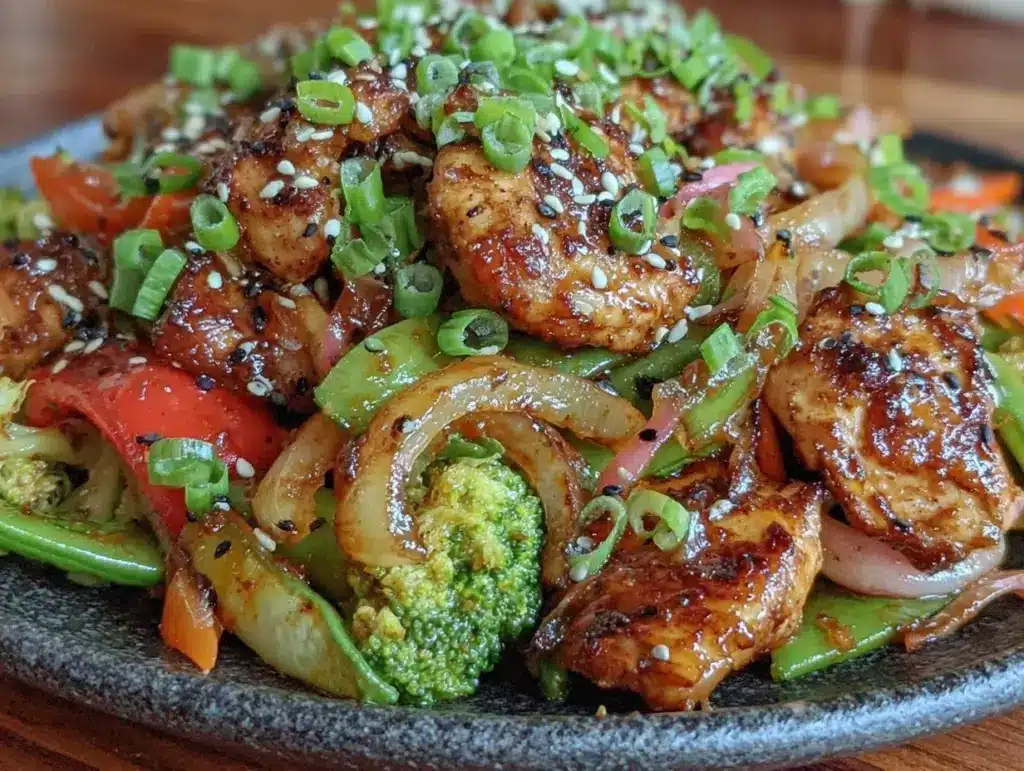
I have a confession to make: I am terrible at planning dinners. Like, professionally terrible. If you had asked me what we were eating last Tuesday at 4:30 PM, I would have stared at you blankly while my kids begged for nuggets for the fifth night in a row. That was the breaking point. I looked at the empty fridge, the half-bag of frozen peas, and the two chicken breasts slowly thawing in the sink, and I realized I needed a system. Not a complicated meal-planning app, not a fancy grocery list. I just needed one solid, reliable, Healthy Chicken and Vegetable Stir Fry that could save my sanity.
So I threw everything into a wok. I used the chicken I had on hand, grabbed whatever veggies were hiding in the crisper drawer (broccoli, carrots, bell peppers), and whisked together a sauce from pantry staples I always keep stocked. I expected mediocrity. What I got was dinner. Like, actual, good dinner. My kids didn’t even notice the extra veggies because the sauce was so good they were scraping their plates clean. That night changed my weeknight routine forever.
This Healthy Chicken and Vegetable Stir Fry isn’t just about being “good for you.” It’s about feeding a hungry family without breaking the bank or spending hours over a hot stove. It’s the recipe I make when I’m exhausted, when the budget is tight, and when I need something that feels like a treat but costs less than a dollar per serving. I’ve tested this version dozens of times, tweaking the sauce ratios and vegetable combinations until it was perfect for my family’s picky palates. Now, it’s my go-to when I need dinner to just work.
Why You’ll Love This Recipe
There are about ten reasons I keep making this stir fry on repeat, but here are the big ones that actually matter when you’re a parent trying to balance a budget and a full fridge.
Stupid Simple — Seriously, if you can chop a vegetable and cook chicken, you can make this. I’ve walked my teenage son through it over FaceTime while I was at work. There’s no fancy technique required. It’s just heat, protein, veggies, and sauce. The whole process is basically just “throw stuff in a pan.” If you can boil water, you can master this.
Lightning Fast — 30 minutes from start to finish, and only 10 of those are active chopping and stirring. The rest is just the chicken cooking and the veggies steaming. I make this on weeknights when I get home at 7pm and everyone is hungry. It’s faster than waiting for a pizza delivery driver who is definitely going to be late.
Pantry-Friendly — You probably have 80% of these ingredients already. The sauce relies on soy sauce, garlic, ginger, and a touch of sweetener—items I keep stocked just so I can make this on a whim. The veggies are flexible, meaning you can use whatever is on sale or about to go bad.
Crowd-Pleaser — I’ve served this to my vegetarian sister (just swap the chicken for tofu), my gluten-free neighbor (use tamari), and my I-only-eat-chicken-dad (with extra sauce). Everyone loves it. It’s the one meal where my picky eater actually asks for seconds.
Makes Amazing Leftovers — Actually tastes better the next day. The flavors meld together in the fridge, making the chicken more tender and the sauce richer. I deliberately make extra for lunch throughout the week. It reheats beautifully in the microwave or on the stove.
Budget-Smart — Feeds 4-6 people for under $15. That’s less than one meal at a fast-food place, and it’s way healthier. I buy chicken breasts in bulk when they’re on sale, freeze them, and grab whatever seasonal veggies are cheap at the store. It’s cheap, it’s filling, and it’s delicious.
This is my go-to when I need dinner to just work. No complicated techniques, no weird ingredients, just reliable, delicious food that makes everyone happy and leaves money in my pocket.
Ingredients You’ll Need
Here’s the best part: you probably have most of this already. I’m particular about the sauce ingredients, but the rest is totally flexible based on what’s in your fridge.
For the Protein
Chicken Breast (1.5 lbs / 680g) — Boneless, skinless. I buy these in bulk when they’re on sale and freeze them. You can also use chicken thighs if you prefer juicier meat, but breast is leaner and fits the “healthy” vibe better. Slice it into thin strips so it cooks fast.
Vegetable Oil (2 tablespoons) — For searing the chicken. Canola or avocado oil works best because of the high smoke point. Don’t use olive oil here—it’ll burn.
For the Veggies
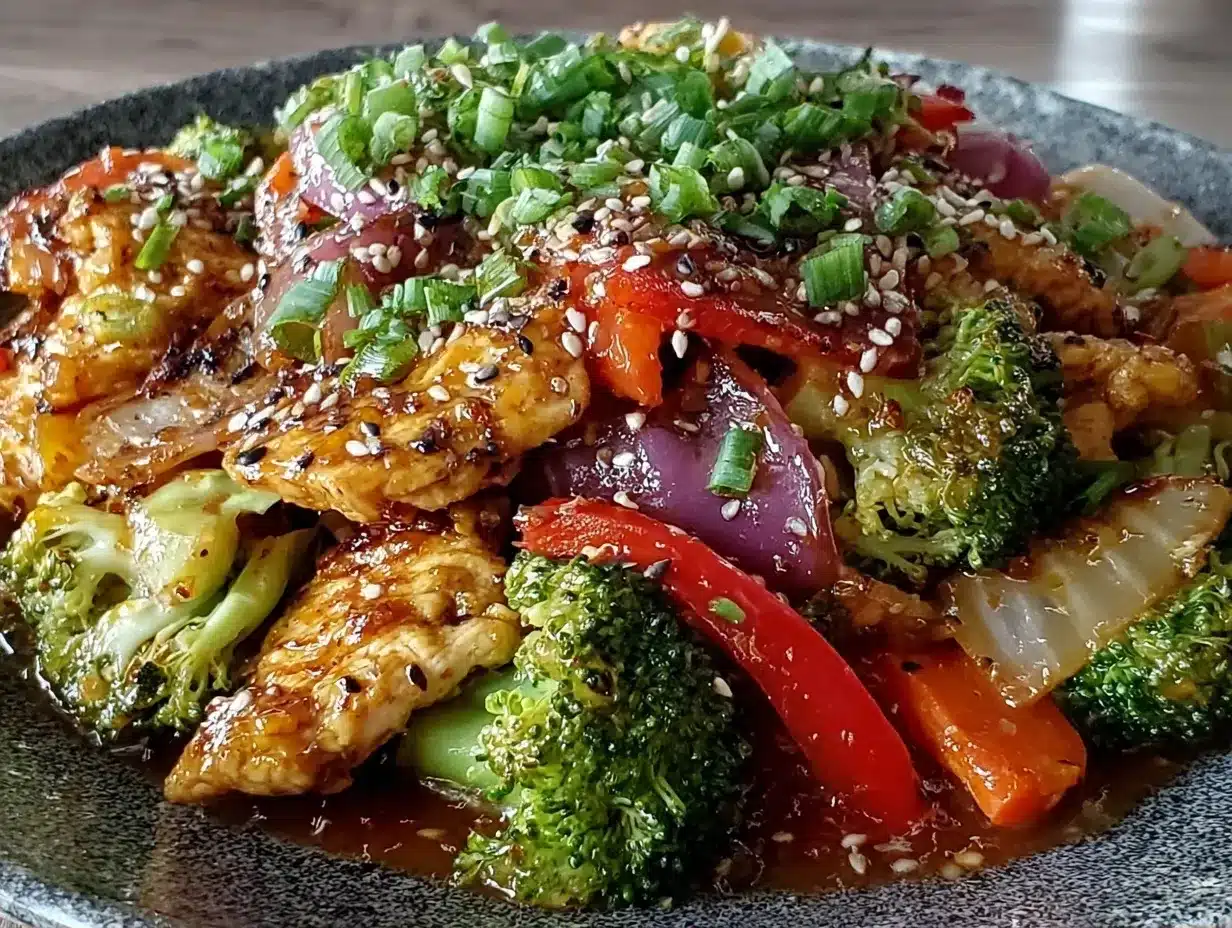
Broccoli Florets (2 cups) — The classic stir fry veggie. I buy fresh heads and chop them myself because bags of pre-cut broccoli are expensive and sometimes moldy. If you’re using frozen broccoli, just thaw it and squeeze out the water first.
Carrots (2 medium, julienned or sliced thin) — Adds sweetness and crunch. I use a peeler to make thin strips—it’s faster than dicing. You can substitute with bell peppers or snap peas if you prefer.
Bell Peppers (1 large, any color, sliced) — Red peppers are sweeter, green are more bitter. I usually grab whatever is on sale. They add color and a nice crunch that contrasts with the soft chicken.
Green Onions (4-5 stalks, sliced) — For garnish and a mild onion flavor. The white parts go in early, the green parts go on top at the end. Don’t skip this—it adds freshness.
For the Sauce
Soy Sauce (1/4 cup / 60ml) — Use low-sodium if you’re watching salt, but regular works fine too. This is your salty, umami base. I always keep a bottle in the pantry.
Chicken Broth (1/4 cup / 60ml) — Low-sodium is key here so you can control the saltiness. If you’re vegetarian, use vegetable broth. It adds body to the sauce without making it too thick.
Rice Vinegar (1 tablespoon) — Adds brightness and cuts through the richness of the chicken. Don’t use regular white vinegar—it’s too harsh. Rice vinegar is mild and slightly sweet.
Honey or Brown Sugar (1 tablespoon) — Balances the salt and acid. I use honey because it’s liquid and mixes easily, but brown sugar works too for a deeper molasses flavor.
Garlic (4 cloves, minced) — Yes, four cloves. Don’t skimp. Fresh only—no jarred garlic in this recipe. It tastes metallic and kills the vibe.
Fresh Ginger (1 tablespoon, grated) — This is non-negotiable for authentic stir fry flavor. Grate it on a microplane for the smoothest texture. If you absolutely can’t find fresh, use 1 teaspoon of ground ginger, but it won’t be the same.
Cornstarch (1 tablespoon) — The secret to that glossy, restaurant-style sauce. It thickens the liquid so it clings to the chicken and veggies instead of pooling at the bottom of the bowl.
Sesame Oil (1 teaspoon) — Adds that nutty aroma. Just a little goes a long way. I drizzle it in at the very end to preserve the flavor.
Red Pepper Flakes (1/2 teaspoon, optional) — For a little kick. I add this if I’m in the mood for spice, but leave it out for the kids.
Equipment Needed
You don’t need fancy equipment for this. Here’s what I actually use.
Large Wok or Skillet — I use a 12-inch stainless steel skillet. It needs to be big enough to hold all the veggies and chicken without crowding. If you crowd the pan, the veggies steam instead of stir-frying, and you lose that nice char. A wok is traditional, but a big skillet works just as well.
Chef’s Knife — For chopping chicken and veggies. A sharp knife makes prep faster and safer. Dull knives slip and cause accidents—learned this the hard way.
Small Bowl — For whisking the sauce together. Having the sauce ready before you start cooking is crucial because stir frying moves fast.
Wooden Spoon or Spatula — For stirring. Silicone works too. Don’t use metal on non-stick pans.
Measuring Spoons — For the sauce ingredients. Dollar store versions work fine.
Sharp Knife and Cutting Board — Standard stuff. I use a plastic board for easier cleanup.
Optional but nice:
- Garlic Press — Saves time but not necessary. Mincing works fine.
- Microplane Grater — For the ginger. Makes it super easy to get that fine paste.
How to Make It: Step-by-Step
Alright, let’s make this! I’m walking you through exactly how I do it, including the little tricks I’ve picked up.
Step 1: Prep Your Chicken (5 minutes)
Take your chicken breasts and slice them against the grain into thin, bite-sized strips. Cutting against the grain makes the chicken more tender. If you cut with the grain, it can be chewy. Place the strips in a bowl and sprinkle with 1 teaspoon of cornstarch and a pinch of salt. Toss to coat. This “velveting” step helps keep the chicken moist and gives the sauce something to cling to. Set aside.
Step 2: Whisk the Sauce (2 minutes)
In a small bowl, combine the soy sauce, chicken broth, rice vinegar, honey, minced garlic, grated ginger, remaining cornstarch, and red pepper flakes. Whisk vigorously until the cornstarch is completely dissolved. It should look like a thin, cloudy liquid. Set aside. If you wait until the end to mix this, you’ll burn the garlic trying to find the bowl.
Step 3: Sear the Chicken (5-7 minutes)
Heat a large skillet or wok over medium-high heat. Add the vegetable oil and swirl to coat. Once the oil is shimmering (but not smoking), add the chicken in a single layer. Don’t crowd the pan—if you have too much chicken, cook it in two batches. Let it cook undisturbed for 2 minutes to get a nice golden sear. Then, stir and cook for another 3-4 minutes until cooked through. Remove the chicken from the pan and set it aside on a plate. Don’t clean the pan yet—that flavorful residue is gold.
Step 4: Stir Fry the Veggies (5-6 minutes)
Reduce the heat to medium. Add a splash more oil if the pan looks dry. Toss in the broccoli and carrots first, as they take longer to cook. Stir-fry for 2 minutes. Then add the bell peppers and green onions. Cook for another 2-3 minutes until the veggies are tender-crisp. You want them to still have a bite, not be mushy. If the pan looks dry, add a tablespoon of water and cover with a lid for 1 minute to steam them slightly.
Step 5: Combine and Sauce It Up (2 minutes)
Return the cooked chicken to the pan with the veggies. Give your sauce a quick whisk (cornstarch settles) and pour it over the chicken and veggies. Stir constantly. The sauce will thicken rapidly—within about 60 seconds, it’ll turn glossy and coat everything. If it’s too thick, add a splash of water. If it’s too thin, let it cook for another minute.
Step 6: Finish and Serve
Remove from heat. Drizzle with the sesame oil and toss once more. Taste and adjust salt if needed (remember, soy sauce is salty, so you might not need extra). Serve immediately over steamed rice or cauliflower rice.
Total Time: About 30 minutes (10 minutes active, 20 minutes cooking).
Expert Tips & Tricks
Here’s everything I’ve learned from making this dozens of times. These tips will save you from my mistakes.
Don’t Crowd the Pan
This is the #1 mistake people make. If you put too much chicken in the pan at once, it steams instead of searing. You’ll get gray, soggy chicken. Cook in batches if you have a lot of meat. It’s worth the extra 5 minutes.
Prep Everything Before You Heat the Pan
Stir frying happens fast. Once the oil is hot, you have about 10 minutes before things burn. Have your veggies chopped, sauce mixed, and chicken sliced before you turn on the stove. I call this “mise en place,” but really it just means “don’t be lazy.”
Cut Veggies Uniformly
Try to cut your carrots and bell peppers into similar sizes so they cook evenly. If you have huge chunks of carrot and tiny bits of pepper, the pepper will turn to mush before the carrot is done. Julienne the carrots for speed and even cooking.
Use Fresh Ginger
I know it’s annoying to peel and grate ginger, but it makes a huge difference in flavor. Ground ginger is dusty and lacks the bright, spicy punch of fresh. If you’re lazy, buy pre-minced ginger in a tube—it’s not as good as fresh, but it’s way better than powder.
Save That Pasta Water… Wait, Wrong Recipe
Save your chicken juices! When you remove the chicken, don’t wash the plate. Pour those juices back into the pan when you add the sauce. It adds flavor and ensures you don’t waste any of that chicken essence.
Common Mistakes (and how to avoid them):
- Mistake: Sauce is too thin — Fix: You didn’t whisk the cornstarch well enough, or you didn’t cook it long enough. Keep stirring until it thickens.
- Mistake: Veggies are mushy — Fix: You cooked them too long or covered the pan too much. Stir fry, don’t steam. Keep the veggies moving.
- Mistake: Chicken is dry — Fix: You overcooked it. Chicken breast cooks fast. Remove it as soon as it’s no longer pink inside.
Variations & Substitutions
Once you’ve nailed the basic version, here’s how you can mix it up. I’ve tried all of these.
Tofu Version
Swap chicken for extra-firm tofu. Press the tofu for 15 minutes to remove water, cube it, and pan-fry until crispy before adding the veggies. Toss in the sauce at the end. My vegetarian sister loves this version.
Shrimp Stir Fry
Use shrimp instead of chicken. Shrimp cooks even faster—just 2-3 minutes. Add it at the very end so it doesn’t get rubbery. It’s great if you want a lighter protein.
Beef Stir Fry
Use flank steak or sirloin, sliced thin against the grain. Beef pairs beautifully with the ginger-soy sauce. It’s richer and heartier, perfect for colder nights.
Veggie-Loaded
Add snap peas, mushrooms, zucchini, or bok choy. I throw in whatever looks good at the market. Mushrooms add earthiness, and snap peas add crunch. This is how I get my kids to eat vegetables without noticing.
Spicy Version
Add 1 tablespoon of Sriracha or chili garlic sauce to the sauce mixture. Or sprinkle with more red pepper flakes. Great if you like heat.
Dietary Modifications:
- Gluten-Free — Use tamari instead of soy sauce. Everything else is naturally gluten-free.
- Dairy-Free — This recipe is already dairy-free. Just ensure your broth is dairy-free (most are).
- Low-Sodium — Use low-sodium soy sauce and low-sodium broth. You can always add a pinch of salt at the end if needed.
Serving & Storage
How to Serve:
I usually serve this straight from the skillet at the dinner table—it looks rustic and stays warm. But here are other ways I’ve enjoyed it:
- Steamed Rice — Jasmine or basmati rice is classic. The sauce soaks into the rice perfectly.
- Cauliflower Rice — For a lower-carb option. It’s lighter and lets the veggies shine.
- Noodles — Ramen noodles or soba noodles work great too. Just cook them separately and toss with the stir fry.
Storage Instructions:
Refrigerator: Store in an airtight container for up to 4 days. The sauce will thicken in the fridge—totally normal. I make extra on Sunday and eat it for lunch all week.
Reheating: Best method: Add to a skillet with a splash of water or broth over low heat. Stir until heated through and the sauce loosens up. Microwave method: Heat in 30-second intervals, stirring between. Add a splash of water if it’s too thick. Never works: Trying to reheat it dry—it’ll get sticky and weird.
Freezing: Honestly, this doesn’t freeze well because of the veggies. The broccoli and peppers get mushy when thawed. Make it fresh or store in the fridge for up to 4 days.
Meal Prep: Make the sauce on Sunday, store in the fridge. Cook chicken and veggies fresh each night. Takes 10 minutes and tastes way better than fully reheated leftovers. If you’re short on time, cook the chicken in bulk and store it, then just stir fry the veggies and toss with the chicken each night.
Nutrition Information
I’m not a nutritionist, but here’s the breakdown if you’re tracking.
Per Serving (based on 6 servings, without rice):
- Calories: 180
- Protein: 25g
- Carbs: 12g
- Fiber: 3g
- Sugar: 6g
- Fat: 5g
- Saturated Fat: 1g
- Cholesterol: 60mg
- Sodium: 580mg
What’s Good:
- High protein from chicken
- Low in saturated fat
- Good amount of fiber from veggies
- Customizable to fit any diet
What to Know:
- Sodium can vary based on soy sauce used
- Contains gluten (unless using tamari)
- Contains soy
My Take:
Look, this is healthy comfort food. It’s packed with veggies and lean protein, and it’s way better than takeout. When I want to make it lighter, I use more veggies and less chicken. But usually? I just eat a reasonable portion and enjoy it. It’s not a diet recipe, but it’s definitely a good-for-you recipe.
Final Thoughts
So that’s my go-to Healthy Chicken and Vegetable Stir Fry! I’ve probably talked your ear off at this point, but when you make a recipe this often, you have a lot to say about it.
This has saved weeknight dinners more times than I can count. It’s my answer to “what’s for dinner” when I’m tired, don’t want takeout, and still want something that tastes really good. My kids are happy, my husband’s happy, and I’m happy because I’m not stressed about cooking. Plus, it’s cheap, which is the cherry on top.
Make it yours! Try different add-ins, swap in your favorite vegetables, adjust the spice level. The best recipes are the ones you adapt to your family’s tastes. If you make this, drop a comment and let me know what you think! I love hearing how recipes turn out in your kitchen. And if something doesn’t work, tell me that too—I’m here to help troubleshoot.
Happy cooking! And I hope your kitchen smells half as good as mine does right now.
Frequently Asked Questions
Can I use frozen vegetables?
Yes, you can! But here’s the trick: don’t thaw them completely. Add them frozen to the hot pan so they don’t get mushy. You might need to cook them for an extra minute or two. I use frozen broccoli and bell peppers sometimes when fresh isn’t available. Just make sure to squeeze out excess water if you do thaw them.
Why did my sauce get too thick?
Cornstarch thickens quickly. If it gets too thick, add a splash of water or broth and stir. You can always add more cornstarch if it’s too thin, but it’s harder to fix if it’s too thick. Start with a little cornstarch and add more if needed.
Can I make this ahead for a dinner party?
Sort of. Prep the chicken and veggies ahead of time and store them in the fridge. Make the sauce ahead too. Right before serving, heat the pan and cook everything fresh. It only takes 15 minutes to cook, so it’s not too much last-minute work. I do this all the time for small gatherings.
Can I use teriyaki sauce instead of making my own?
You can, but homemade is better. Store-bought teriyaki is often very sweet and thick. If you use it, dilute it with a little water or broth so it’s not too sticky. I prefer the balance of salt, acid, and sweetness in my homemade sauce.
How do I reheat leftovers without it getting dry?
Add a splash of water or broth to a skillet, add your leftover stir fry, and heat gently over low heat, stirring frequently. The extra liquid brings back the sauce consistency. Microwave sort of works but tends to dry it out. If you do microwave, definitely add a splash of water first and heat in short bursts, stirring between.
Can I double this recipe?
Absolutely! Double everything and use your biggest wok or skillet. The cooking times stay the same, but you might need to cook in batches if your pan is small. I do this when I’m meal-prepping or feeding a crowd. Just make sure your pan is big enough for the sauce—you might need to use two pans.
If you’re looking for more easy weeknight ideas, check out my crispy air fryer chicken thighs for a different protein option, or try my creamy Tuscan garlic chicken when you want something a bit richer. For a lighter side, my honey roasted carrots are a great match.
Pin This Recipe!
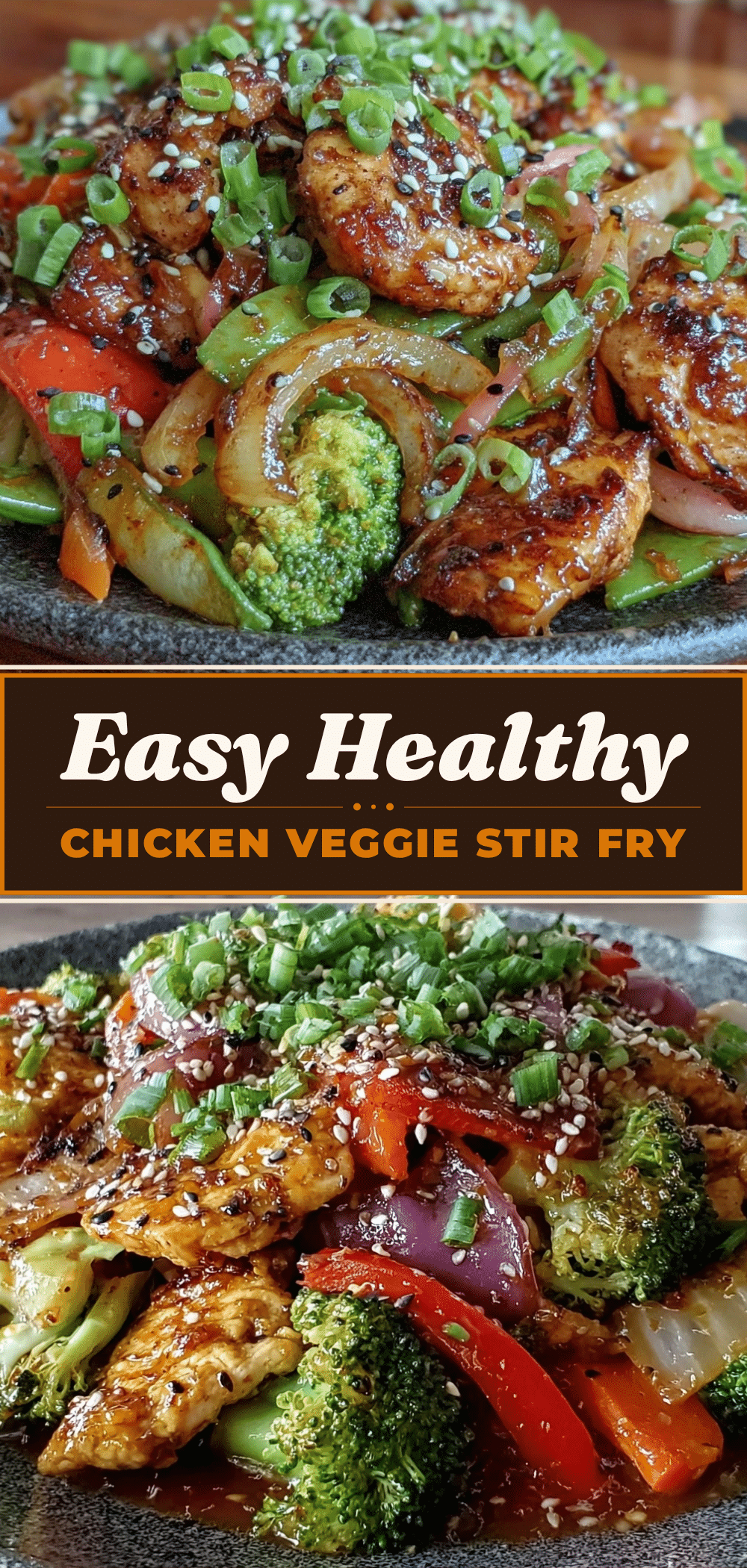
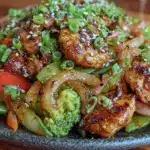
Healthy Chicken and Vegetable Stir Fry: 5 Easy Budget Meal Prep
- Total Time: 30 minutes
- Yield: 6 servings 1x
Description
A quick, budget-friendly, and healthy chicken and vegetable stir fry that feeds 4-6 people for under $15. This recipe uses pantry staples and takes only 30 minutes to make, making it perfect for busy weeknights.
Ingredients
- 1.5 lbs boneless, skinless chicken breast, sliced into thin strips
- 2 tablespoons vegetable oil (canola or avocado)
- 2 cups broccoli florets
- 2 medium carrots, julienned or sliced thin
- 1 large bell pepper, sliced
- 4–5 stalks green onions, sliced
- 1/4 cup soy sauce (or tamari for gluten-free)
- 1/4 cup chicken broth (low-sodium)
- 1 tablespoon rice vinegar
- 1 tablespoon honey or brown sugar
- 4 cloves garlic, minced
- 1 tablespoon fresh ginger, grated
- 1 tablespoon cornstarch
- 1 teaspoon sesame oil
- 1/2 teaspoon red pepper flakes (optional)
Instructions
- Slice chicken breasts against the grain into thin strips. Toss with 1 teaspoon of cornstarch and a pinch of salt. Set aside.
- In a small bowl, whisk together soy sauce, chicken broth, rice vinegar, honey, minced garlic, grated ginger, remaining cornstarch, and red pepper flakes until smooth. Set aside.
- Heat a large wok or skillet over medium-high heat. Add vegetable oil and swirl to coat. Add chicken in a single layer (cook in batches if necessary) and sear for 2 minutes undisturbed, then stir and cook for 3-4 minutes until cooked through. Remove chicken and set aside.
- Reduce heat to medium. Add a splash of oil if needed. Add broccoli and carrots, stir-frying for 2 minutes. Add bell peppers and green onions, cooking for another 2-3 minutes until tender-crisp. If dry, add a tablespoon of water and cover for 1 minute to steam.
- Return chicken to the pan. Whisk sauce again and pour over chicken and veggies. Stir constantly until the sauce thickens and becomes glossy (about 60 seconds).
- Remove from heat. Drizzle with sesame oil and toss. Taste and adjust salt if needed. Serve immediately over steamed rice or cauliflower rice.
Notes
Do not crowd the pan to ensure proper searing. Cut vegetables uniformly for even cooking. Use fresh ginger for best flavor. This recipe freezes poorly due to vegetable texture; store in the fridge for up to 4 days. Reheat with a splash of water or broth to maintain sauce consistency.
- Prep Time: 10 minutes
- Cook Time: 20 minutes
- Category: Main Course
- Cuisine: Asian
Nutrition
- Serving Size: 1 serving (approx. 1
- Calories: 180
- Sugar: 6
- Sodium: 580
- Fat: 5
- Saturated Fat: 1
- Carbohydrates: 12
- Fiber: 3
- Protein: 25
Keywords: healthy chicken stir fry, budget meal prep, weeknight dinner, quick recipes, family friendly, gluten-free option, dairy-free