It was one of those Tuesdays where the weight of the week just settled onto my shoulders by 4:30 pm. You know the kind. The mental to-do list is cluttered, my energy was dipping lower than my coffee cup, and the idea of cooking something “proper” felt impossible. I didn’t want takeout. I didn’t want a salad. I wanted something warm, soft, and comforting. Something that felt like a hug in a bowl.
So I did what I always do when I need to slow down: I made fluffy cottage cheese scrambled eggs. It’s not a trend for me, and it’s not a protein hack I’m trying to sell you. It’s my secret weapon for gentle self-care dinners. When you add a few spoonfuls of cottage cheese to your eggs, they transform. They become impossibly creamy, tender, and rich without needing a pool of butter or heavy cream. It’s high protein, sure, but more importantly, it’s high comfort.
I’ve been making this version for years, tweaking it until the texture was exactly right. The cottage cheese doesn’t taste like cottage cheese in the final dish—it just makes the eggs cloud-like and luxurious. Paired with fresh chives and a slice of good toast, it became the anchor of my evening. It’s quiet cooking. It’s nourishing. And it’s the one to make when you need to take care of yourself after a long day.
Why This Is My Go-To Gentle Dinner
There are about five reasons I keep coming back to this recipe, but they’re not really about efficiency. It’s about how it makes me feel when I sit down to eat.
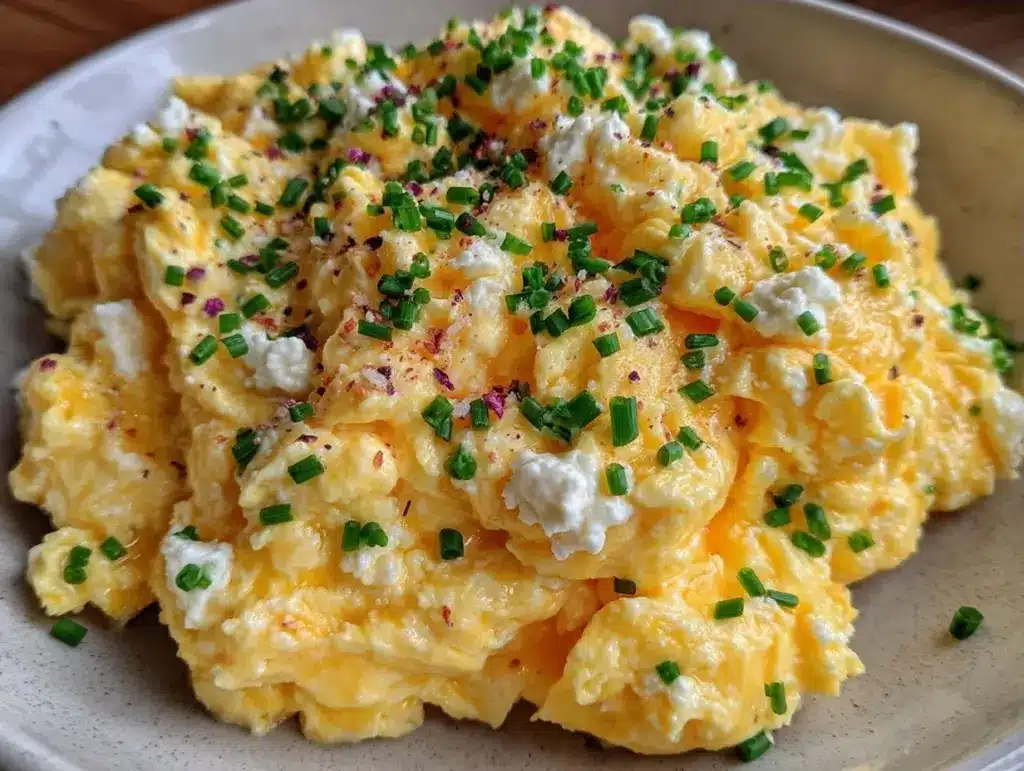
Incredibly Silky Texture — I’ve tried adding cream, milk, and even yogurt to eggs over the years. But cottage cheese? It’s different. The curds break down just enough during gentle cooking to create a custard-like consistency that feels like restaurant-quality scrambled eggs. It’s rich without being heavy.
High Protein, Low Stress — After a hard day, I don’t want to think about macros, but I do want to feel satisfied. This dish gives me about 25 grams of protein without any fuss. I feel nourished, not stuffed. It’s the kind of meal that leaves me feeling capable and calm.
Zero Fancy Equipment Needed — You don’t need a double boiler or a stand mixer. You just need a non-stick skillet and a spatula. I often make this in the same bowl I mixed the eggs in, which means less cleanup. And when you’re running on empty, less cleanup is basically a luxury.
Quick Enough for Any Time — It takes about 10 minutes from start to finish. But I don’t frame it as “quick” because I’m rushing. I frame it as “gentle.” It’s fast enough that I can make it while listening to a podcast or just sitting in silence, but it feels special enough that I don’t feel like I’m eating “just dinner.”
Customizable Comfort — Some nights I add roasted tomatoes. Some nights I add a little feta. Some nights it’s just eggs, cheese, and chives. This recipe is a blank canvas for whatever your heart needs that evening. It’s forgiving and flexible, just like self-care should be.
Ingredients You’ll Need for Gentle Cooking
Here’s the beautiful part: you don’t need a trip to the store for this. Most of these items are staples I keep on hand specifically for nights when I need a little warmth. I’m particular about the quality of the eggs and the cheese, because that’s where the magic happens.
The Base
Eggs (4 large) — I use pasture-raised eggs whenever I can find them. The yolks are deeper orange, and they taste richer. But honestly, any large eggs work. The key is cracking them gently and not over-whisking them. I like to keep some of the yolk structure intact for that velvety texture.
Cottage Cheese (½ cup / 120g) — This is the star. I use full-fat small-curd cottage cheese. The small curds break down more easily into the eggs. If you only have large-curd, just give it a quick whisk with a fork before adding it to the eggs. Don’t use low-fat; you need the fat for that creamy, comforting mouthfeel.
Butter (1 tablespoon) — I use unsalted butter so I can control the saltiness. Salted butter is fine if that’s what you have, but I like to add a pinch of flaky salt at the end. The butter adds a nutty aroma as it melts, which smells like home.
The Flavor Boosters

Fresh Chives (2 tablespoons, chopped) — Chives are non-negotiable for me. They add a fresh, onion-y pop that cuts through the richness of the eggs and cheese. I keep a small pot of chives on my windowsill. If you don’t have fresh chives, green onions (scallions) work, but chives are more delicate and elegant.
Salt and Pepper — I use Kosher salt for the eggs and a fresh crack of black pepper. The pepper adds a tiny bit of warmth that I love. Don’t skip the pepper; it balances the mild flavor of the cottage cheese.
Optional: Soft Cheese — On really rough days, I add a tablespoon of cream cheese or goat cheese along with the cottage cheese. It makes the eggs even richer. But usually, the cottage cheese is enough.
Equipment Needed
You don’t need fancy gadgets for this. In fact, keeping it simple is part of the self-care vibe. Here’s what I actually use:
8-inch Non-Stick Skillet — I prefer a small skillet because it gives me more control over the heat. The eggs cook evenly without sticking. If you don’t have a non-stick, a well-seasoned cast iron works too, but you’ll need to be extra careful with the butter.
Silicone Spatula — This is crucial. I use a flexible silicone spatula to gently fold and push the eggs. It’s soft on the pan and gentle on the eggs. Metal spoons can scratch the pan and break up the curds too much. I want big, fluffy curds, not scrambled mush.
Bowl and Fork — Just a simple mixing bowl to whisk the eggs and cottage cheese together. I like to do this in one bowl to save on dishes.
Small Knife and Cutting Board — For chopping the chives. I keep a small paring knife for this. It’s quick and easy.
How to Make It: Step-by-Step
Alright, let’s make this. I’m walking you through exactly how I do it, including the little tricks I’ve picked up over time. This isn’t about rushing; it’s about being present with your food.
Step 1: Prep Your Ingredients (2 minutes)
Before you turn on the heat, get everything ready. Chop your chives and set them aside. Crack your eggs into a bowl. This is important because once you start cooking, things move quickly. Having everything prepped means you can focus on the cooking process without stress. It’s a small act of mindfulness that helps calm the mind.
Step 2: Whisk the Eggs and Cottage Cheese (1 minute)
Add the cottage cheese to the eggs. Whisk them together gently. You don’t need to overbeat them like you’re making an omelet. Just combine them until the cottage cheese curds are mostly broken down. You’ll still see little bits of cheese, and that’s perfect. It’s what creates the creamy pockets in the final dish. Add a pinch of salt and pepper here.
Step 3: Melt the Butter (1 minute)
Place your skillet over medium-low heat. Add the butter and let it melt slowly. Don’t rush this. Let the butter foam and turn a light golden color. This is where the aroma starts to build. If the butter browns too much, it’ll taste bitter. You want it to be gentle and nutty. If the heat is too high, take the pan off the burner for a second.
Step 4: Cook the Eggs Gently (5-7 minutes)
Pour the egg mixture into the skillet. Let it sit for about 10 seconds until the edges start to set. Then, using your silicone spatula, gently push the eggs from the edges toward the center. Tilt the pan so the uncooked egg flows to the empty spaces. Repeat this process slowly. You want big, soft curds, not small, dry bits. This is the meditative part. Take your time. Watch the eggs transform.
Step 5: Add the Chives (30 seconds)
When the eggs are mostly set but still look slightly wet and glossy (they’ll continue cooking off the heat), remove the pan from the burner. Sprinkle the fresh chives over the top. Gently fold them in. The residual heat will wilt the chives just enough, releasing their flavor without turning them mushy.
Step 6: Serve and Savor
Slide the eggs onto a plate. I usually serve them with a slice of toasted sourdough bread and a little extra butter on the side. Eat slowly. Notice the texture. Notice the warmth. This is your moment.
Total Time: About 10 minutes (mostly passive cooking)
Expert Tips for Perfectly Fluffy Eggs
Here’s everything I’ve learned from making this dozens of times. These tips will help you achieve that cloud-like texture every time.
Low and Slow is the Only Way
I know it’s tempting to crank up the heat to save time, but high heat makes eggs rubbery. Medium-low heat is the sweet spot. It gives you time to gently fold the eggs and keep them tender. If you’re worried it’s taking too long, just be patient. The wait is worth it.
Don’t Overcook Them
Eggs continue to cook even after you remove them from the pan. I like to take them off the heat when they still look a little wet. They’ll finish cooking on the plate. Overcooked eggs are dry and chalky. Undercooked eggs are creamy and luxurious. Aim for under.
Whisk the Cottage Cheese First
If you’re using large-curd cottage cheese, give it a good whisk with the eggs before cooking. This ensures the cheese distributes evenly and breaks down into the mixture. It creates a more uniform, creamy texture.
Use Fresh Chives
Dried chives just don’t have the same brightness. Fresh chives add a pop of color and flavor that elevates the dish. If you don’t have fresh chives, try adding a little lemon zest at the end. It adds a similar bright note.
Season Generously
Eggs can taste bland if they’re not well-seasoned. I like to salt the eggs before cooking, not just after. This helps the flavors penetrate the curds. Add a final pinch of flaky salt on top for a nice crunch.
Variations & Substitutions
Once you’ve mastered the basic version, here’s how you can mix it up. I’ve tried all of these, and they’re all delicious in their own way.
Roasted Tomato Version
Add a handful of roasted cherry tomatoes to the eggs just before serving. The sweetness of the tomatoes pairs beautifully with the savory eggs. This is my favorite variation when tomatoes are in season.
Feta and Spinach
Sauté a handful of spinach in the pan before adding the eggs. Then, add crumbled feta cheese along with the cottage cheese. This adds a tangy, salty kick that’s amazing.
Smoked Salmon
Top the finished eggs with a few pieces of smoked salmon. It’s elegant and adds a smoky flavor. This is great for a weekend brunch or a special self-care evening.
Avocado and Everything Bagel Seasoning
Slice an avocado and place it on top of the eggs. Sprinkle with everything bagel seasoning. The crunch and healthy fats make this incredibly satisfying.
Gluten-Free Option
This recipe is naturally gluten-free. Just make sure your cottage cheese and eggs are certified gluten-free if you have celiac disease. Serve with gluten-free toast or on the side of a sweet potato hash.
Serving & Storage
This dish is best enjoyed immediately. The texture is at its peak right off the heat. But here’s how to handle leftovers or plan ahead.
How to Serve
I usually serve this straight from the skillet to the plate. It looks rustic and inviting. Pair it with a simple green salad or some roasted vegetables. A cup of herbal tea, like chamomile or lavender, is the perfect companion to this gentle meal.
Storage
Store leftovers in an airtight container in the fridge for up to 2 days. The eggs will firm up as they cool, which is normal.
Reheating
Reheat gently in the microwave with a splash of milk or water to restore some creaminess. Heat in 30-second intervals, stirring in between. Avoid high heat, as it will make the eggs rubbery. Or, reheat in a skillet over low heat with a little butter.
Freezing
I don’t recommend freezing scrambled eggs. The texture changes significantly, becoming grainy and dry. It’s best to make this fresh whenever you need it.
Nutrition Information
I’m not a nutritionist, but here’s the breakdown if you’re tracking. This is a high-protein, moderate-fat meal that’s very satisfying.
Per Serving (based on 1 serving):
- Calories: 320
- Protein: 25g
- Carbs: 2g
- Fiber: 0g
- Sugar: 2g
- Fat: 22g
- Saturated Fat: 10g
- Cholesterol: 380mg
- Sodium: 350mg
What’s Good:
- High in protein, which helps keep you full and satisfied.
- Low in carbs, making it suitable for low-carb or keto diets.
- Rich in healthy fats from the eggs and butter.
What to Know:
- Higher in cholesterol due to the eggs, but dietary cholesterol doesn’t affect everyone the same way.
- Contains dairy (cottage cheese and butter).
- Can be made lighter by using less butter or egg whites.
My Take:
Look, this is comfort food. It’s rich and creamy and delicious. It’s not a diet recipe, but it is nourishing. When I eat this, I feel good. I feel cared for. That’s what matters most to me.
Final Thoughts
So that’s my fluffy cottage cheese scrambled eggs. It’s not just a meal; it’s a moment. A moment to slow down, to nourish my body, and to remind myself that I deserve a good dinner, even on the hardest days.
I hope you try this. I hope it becomes your go-to for those evenings when you need to take care of yourself. Make it yours. Add your favorite herbs, your favorite toast, your favorite music. Let it be your small act of self-care.
If you make this, I’d love to hear how it turned out. Did it help you unwind? Did you add any special touches? Drop a comment below and share your experience. And if you’re looking for more gentle, comforting recipes, check out my roasted red pepper and smoked gouda soup for a cozy night in, or my cozy fall chicken and dumplings for something hearty and warm.
Happy cooking. Be gentle with yourself.
Frequently Asked Questions
Why do my eggs turn out dry?
Usually, this means the heat was too high or you cooked them too long. Cottage cheese adds moisture, but if you overcook the eggs, they’ll lose that moisture. Keep the heat low and remove the pan from the heat while the eggs still look slightly wet. They’ll finish cooking on the plate.
Can I use low-fat cottage cheese?
You can, but the eggs won’t be as creamy. The fat in full-fat cottage cheese is what contributes to the rich, luxurious texture. If you must use low-fat, add a little extra butter or a splash of cream to compensate.
Can I add other vegetables?
Absolutely. Sautéed mushrooms, spinach, or diced bell peppers are all great additions. Just make sure to cook the vegetables first before adding the egg mixture, so they’re tender and not watery.
How do I store leftovers?
Store in an airtight container in the fridge for up to 2 days. Reheat gently with a splash of milk or water to restore creaminess.
Is this recipe gluten-free?
Yes, this recipe is naturally gluten-free. Just ensure your cottage cheese and eggs are certified gluten-free if you have celiac disease.
Can I make this ahead of time?
It’s best made fresh, as the texture is at its peak right off the heat. However, you can prep the eggs and chives ahead of time and cook them when you’re ready.
What kind of bread goes well with this?
Sourdough toast is a classic choice. Whole grain or rye bread also works well. Toast the bread with a little butter for extra richness.
Pin This Recipe!
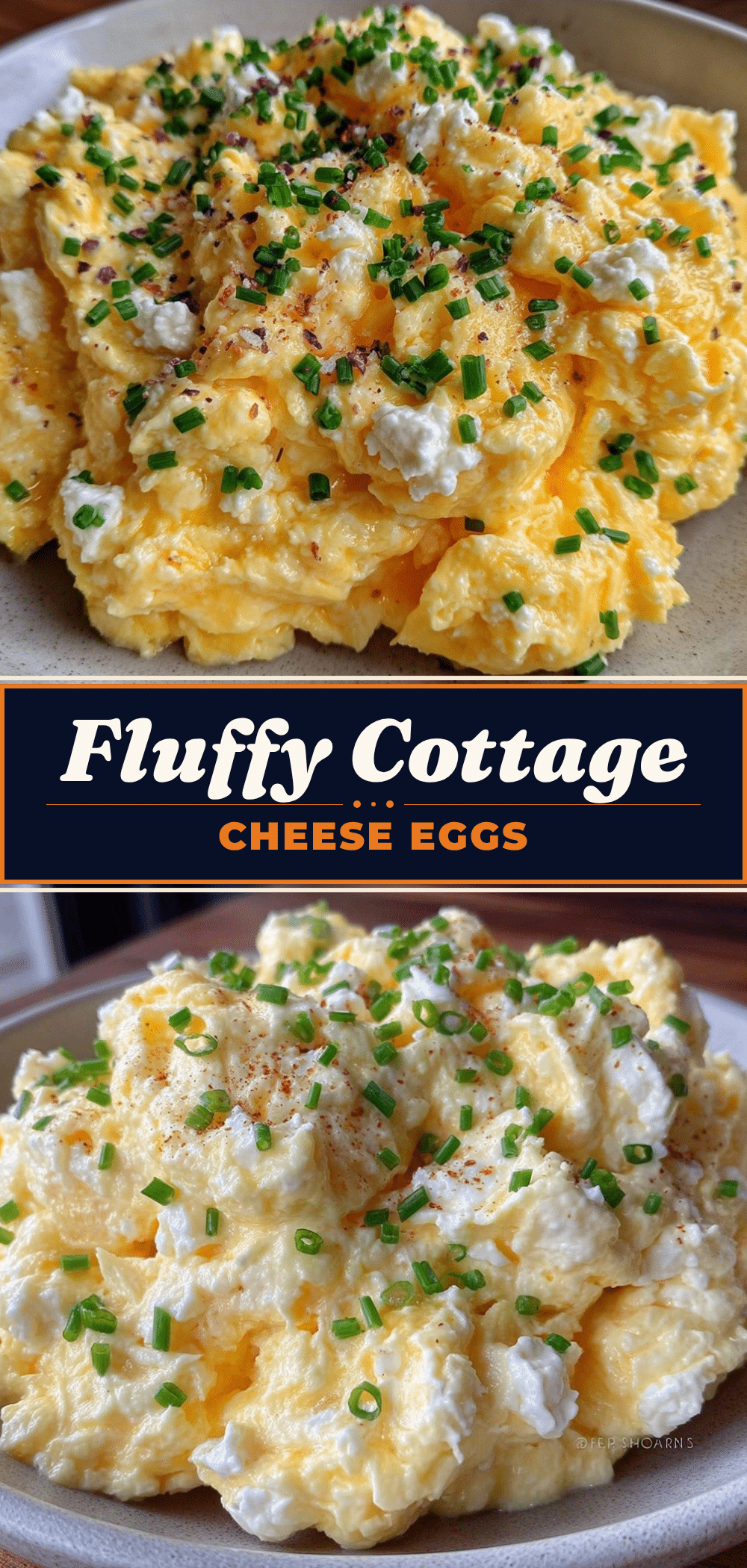

Fluffy Cottage Cheese Scrambled Eggs: Gentle Self-Care Dinner
- Total Time: 10 minutes
- Yield: 1 serving 1x
Description
A comforting, high-protein scrambled egg dish made with cottage cheese for an impossibly creamy and tender texture, perfect for a gentle self-care meal.
Ingredients
- 4 large eggs
- 1/2 cup (120g) full-fat small-curd cottage cheese
- 1 tablespoon unsalted butter
- 2 tablespoons fresh chives, chopped
- Kosher salt
- Freshly cracked black pepper
- Optional: 1 tablespoon cream cheese or goat cheese
Instructions
- Chop the fresh chives and set them aside. Crack the eggs into a mixing bowl.
- Add the cottage cheese to the eggs. Whisk gently until the cottage cheese curds are mostly broken down but some bits remain. Add a pinch of salt and pepper.
- Place an 8-inch non-stick skillet over medium-low heat. Add the butter and let it melt slowly until it foams and turns a light golden color.
- Pour the egg mixture into the skillet. Let it sit for about 10 seconds until the edges start to set.
- Using a silicone spatula, gently push the eggs from the edges toward the center, tilting the pan to let uncooked egg flow into empty spaces. Repeat slowly to create big, soft curds.
- When the eggs are mostly set but still look slightly wet and glossy, remove the pan from the heat.
- Sprinkle the fresh chives over the top and gently fold them in. The residual heat will wilt the chives.
- Slide the eggs onto a plate and serve immediately, optionally with toasted sourdough bread.
Notes
Keep heat at medium-low to prevent rubbery eggs. Remove from heat while eggs still look slightly wet as they will continue cooking on the plate. Do not freeze leftovers as texture becomes grainy. Store leftovers in an airtight container in the fridge for up to 2 days and reheat gently with a splash of milk or water.
- Prep Time: 2 minutes
- Cook Time: 8 minutes
- Category: Breakfast
- Cuisine: American
Nutrition
- Serving Size: 1 plate of scrambled
- Calories: 320
- Sugar: 2
- Sodium: 350
- Fat: 22
- Saturated Fat: 10
- Carbohydrates: 2
- Protein: 25
Keywords: cottage cheese eggs, fluffy scrambled eggs, high protein breakfast, gentle self-care dinner, creamy eggs, quick breakfast, gluten-free breakfast